From variolation to vaccination: Jenner and the cowpox
Before 1796 the only protection against smallpox was variolation, which gave a real, if usually milder, case of the disease; after Jenner's trial, cowpox protected without it, and vaccination, later extended to other diseases, began.
- Dated
- Place
- Berkeley, Gloucestershire, England, United Kingdom · Inoculators of China, India, West Africa and the Ottoman world; Onesimus, Cotton Mather and Zabdiel Boylston in Boston; Lady Mary Wortley Montagu; Edward Jenner, country physician in Berkeley, Gloucestershire
- Coordinates
- 51° 41′ N · 2° 27′ W (approximate)
- Remains
- Intact
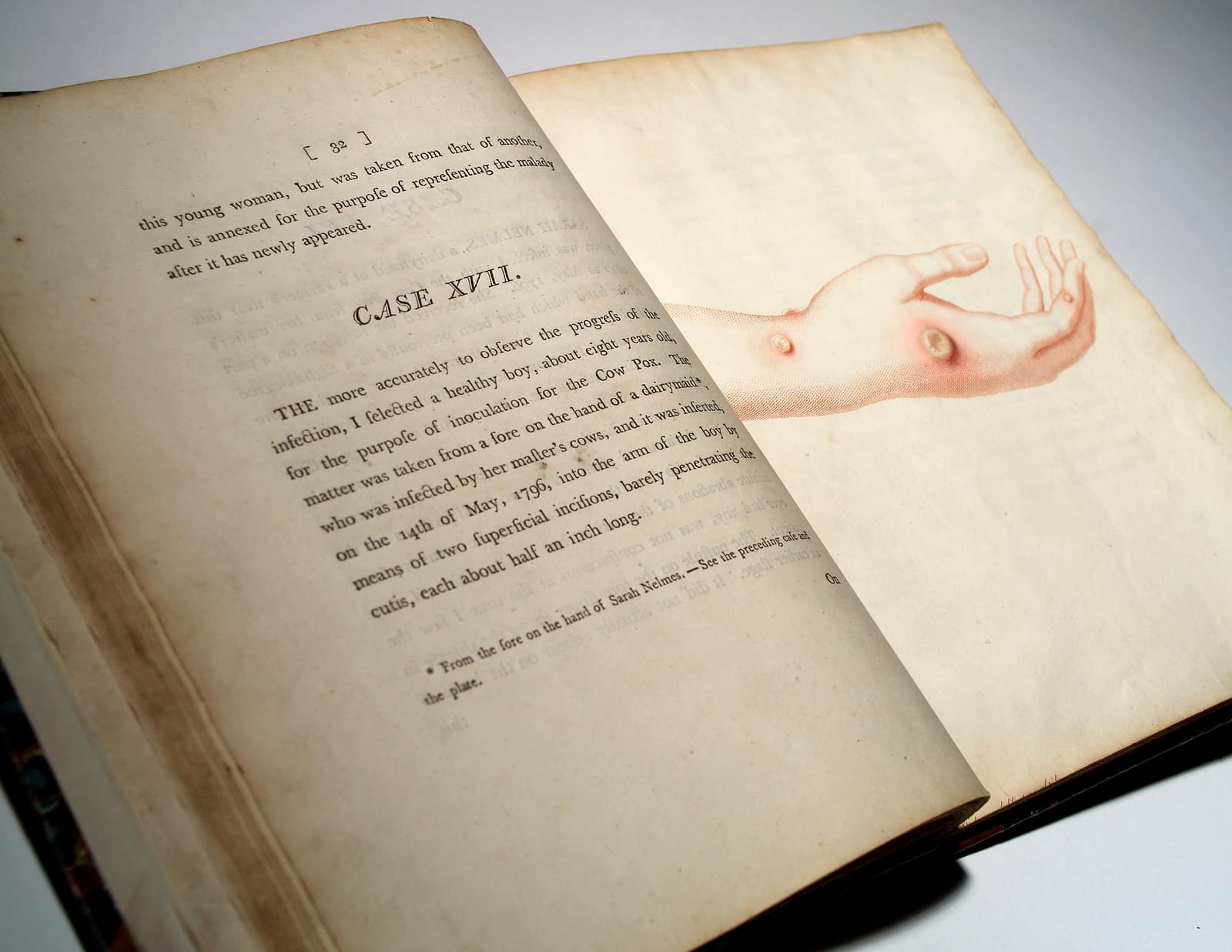

Wellcome Collection, CC BY 4.0, via Wikimedia CommonsCC-BY-4.0Original record
Data saver is on. Images load only when you ask. You can change this in Settings at any time.
From the archivist
Long before the word vaccine, people had learned to fight smallpox with smallpox. In China a little powdered scab was blown into the nose; in Bengal travelling inoculators scratched the skin; in West Africa and in Ottoman towns, a blade or a needle carried the matter of a mild case into a healthy arm. Those treated usually had a light illness and were safe for life. Some died of it.
The knowledge travelled. An English ambassador's wife watched it in Adrianople and had her children treated. In Boston, a man named Onesimus, held in slavery by a minister, explained how it had been done to him in Africa; in the terrible summer of 1721 a doctor tried it on his own son.
In the spring of 1796, in a small town in Gloucestershire, a country doctor tried something milder. Edward Jenner took matter from the sore hand of a dairymaid who had caught cowpox, a disease of cattle, and put it into two small scratches on the arm of a boy of eight. Weeks later he gave the boy smallpox matter. Nothing happened.
This open book is Jenner's account of that day, facing the drawing of the dairymaid's hand.
Established
- Variolation, deliberately giving a mild case of smallpox with matter from a patient, was established in Jiangxi, China, between the 1460s and 1572 at the latest; Chinese texts describe powdered scabs blown into the nostrils (Guan et al. 2026).
- In 1767 John Zephaniah Holwell described to the physicians of London the inoculators who travelled through Bengal before the smallpox season (Holwell 1767).
- In a letter of 1 April 1717 from Adrianople, now Edirne, Lady Mary Wortley Montagu described the Ottoman practice she called engrafting; she had her son inoculated in Constantinople in March 1718 and her daughter in London in April 1721 (Riedel 2005).
- In a letter of 1716 to the Royal Society, the Boston minister Cotton Mather reported that Onesimus, a West African man enslaved in his household, had been inoculated as a child; during the Boston epidemic of 1721, about 844 of the nearly 5,800 people who caught smallpox died, while of some 287 inoculated by Zabdiel Boylston and others, 6 died (Massachusetts Historical Society).
- On 14 May 1796, in Berkeley, Gloucestershire, Edward Jenner inserted matter from a cowpox sore on the hand of the dairymaid Sarah Nelmes into two shallow cuts in the arm of James Phipps, the eight year old son of his gardener; inoculated with smallpox matter in July, the boy did not fall ill (Jenner 1798; Riedel 2005; Dr Jenner's House).
- Jenner published his cases in 1798 as An Inquiry into the Causes and Effects of the Variolae Vaccinae; from vacca, Latin for cow, came the words vaccine and vaccination (Jenner 1798; Riedel 2005).
Interpretation
Jenner was not the first to think of cowpox: country people in Gloucestershire believed that milkmaids who had caught it were spared smallpox, and a farmer, Benjamin Jesty, had inoculated his family with it in 1774. His part was to test the idea, publish it and argue for it. Variolation, for its part, was not a European discovery: it came from long practice in Asia, Africa and the Ottoman world, and the role of Onesimus, long left out of the story of Boston, is now recognised, though what is known of him comes only from the man who enslaved him. Inoculating a child to test a hypothesis, as Jenner did, would not be accepted today.
In 10,000 years
In 10,000 years, will anyone remember that a whole civilization once taught its bodies to resist a disease by borrowing a sore from a cow?
Sources (6)
- Riedel, S. Edward Jenner and the history of smallpox and vaccination. Proceedings (Baylor University Medical Center) 18 (1), 2005, p. 21-25. · pmc.ncbi.nlm.nih.gov
- Guan, L., Gu, S., Pan, Y., Rodewald, L. E., Fu, C. Variolation techniques, medical explanations, and dissemination in late imperial China. Emerging Infectious Diseases 32 (10), 2026. · wwwnc.cdc.gov
- Jenner, E. An Inquiry into the Causes and Effects of the Variolae Vaccinae, a Disease Discovered in Some of the Western Counties of England, Particularly Gloucestershire, and Known by the Name of the Cow Pox. London, 1798 (digitised copy, Wellcome Collection). · archive.org
- Massachusetts Historical Society. The fight against smallpox from inoculation to vaccination, Object of the Month, February 2021. · www.masshist.org
- Holwell, J. Z. An Account of the Manner of Inoculating for the Small Pox in the East Indies. London, 1767 (Eighteenth Century Collections Online, University of Michigan Library). · quod.lib.umich.edu
- Dr Jenner's House, Museum and Garden, Berkeley. James Phipps' Cottage, Church Lane. · jennermuseum.com
Related fragments
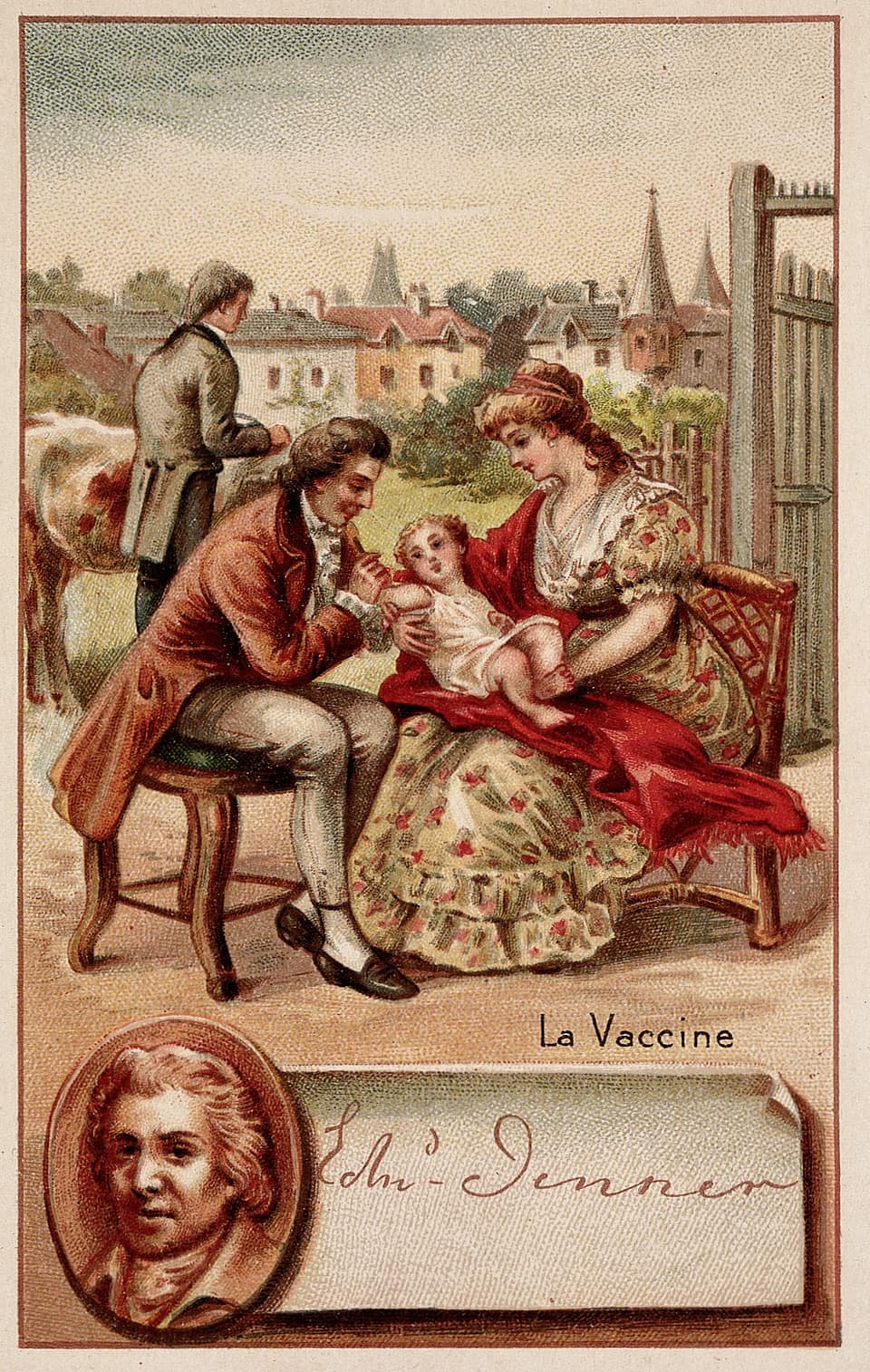
1796 to 1980
The end of smallpox
Berkeley, Gloucestershire, United Kingdom · Europe
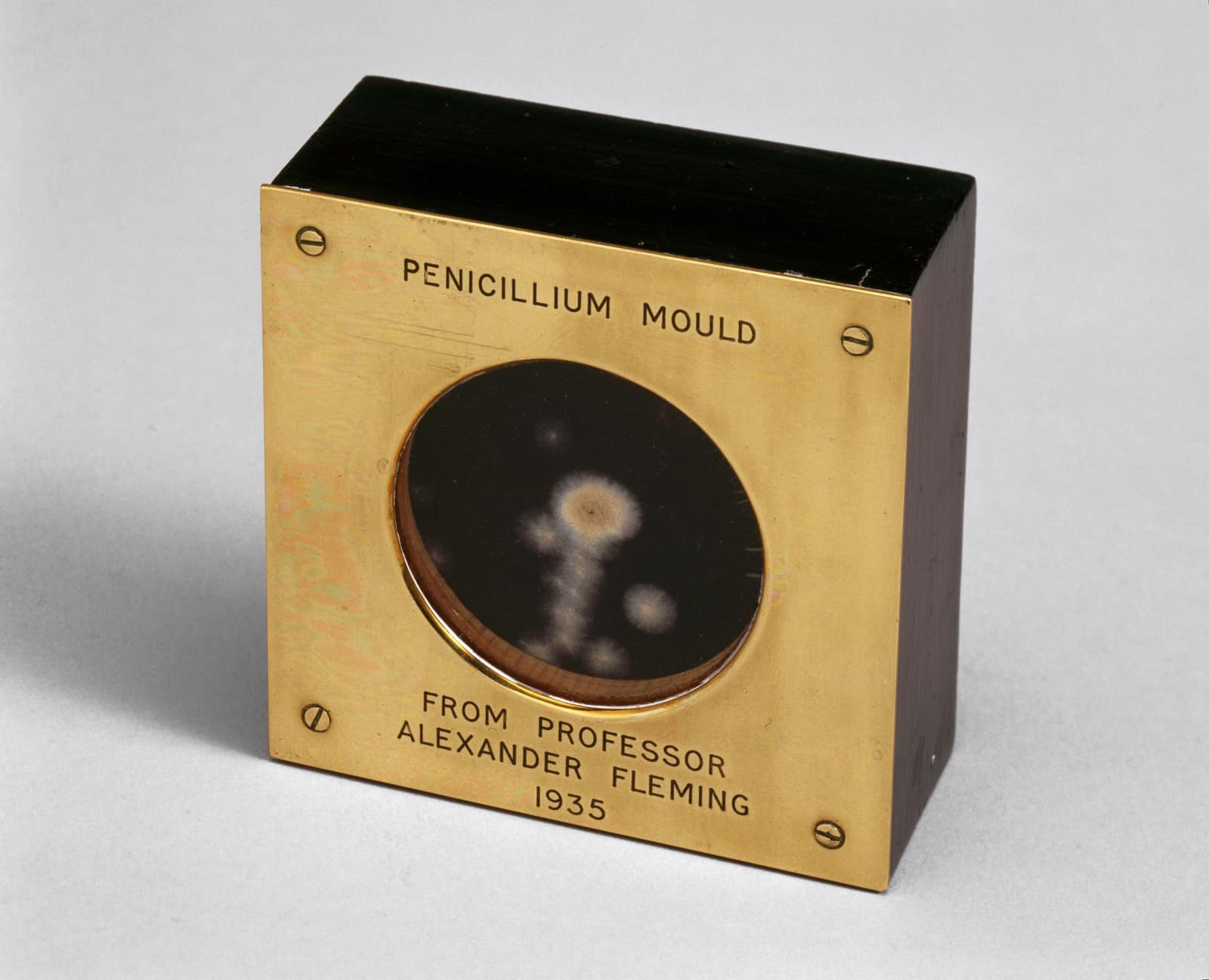
1928 to 1945
The discovery of penicillin
St Mary's Hospital, Paddington, London, United Kingdom · Europe
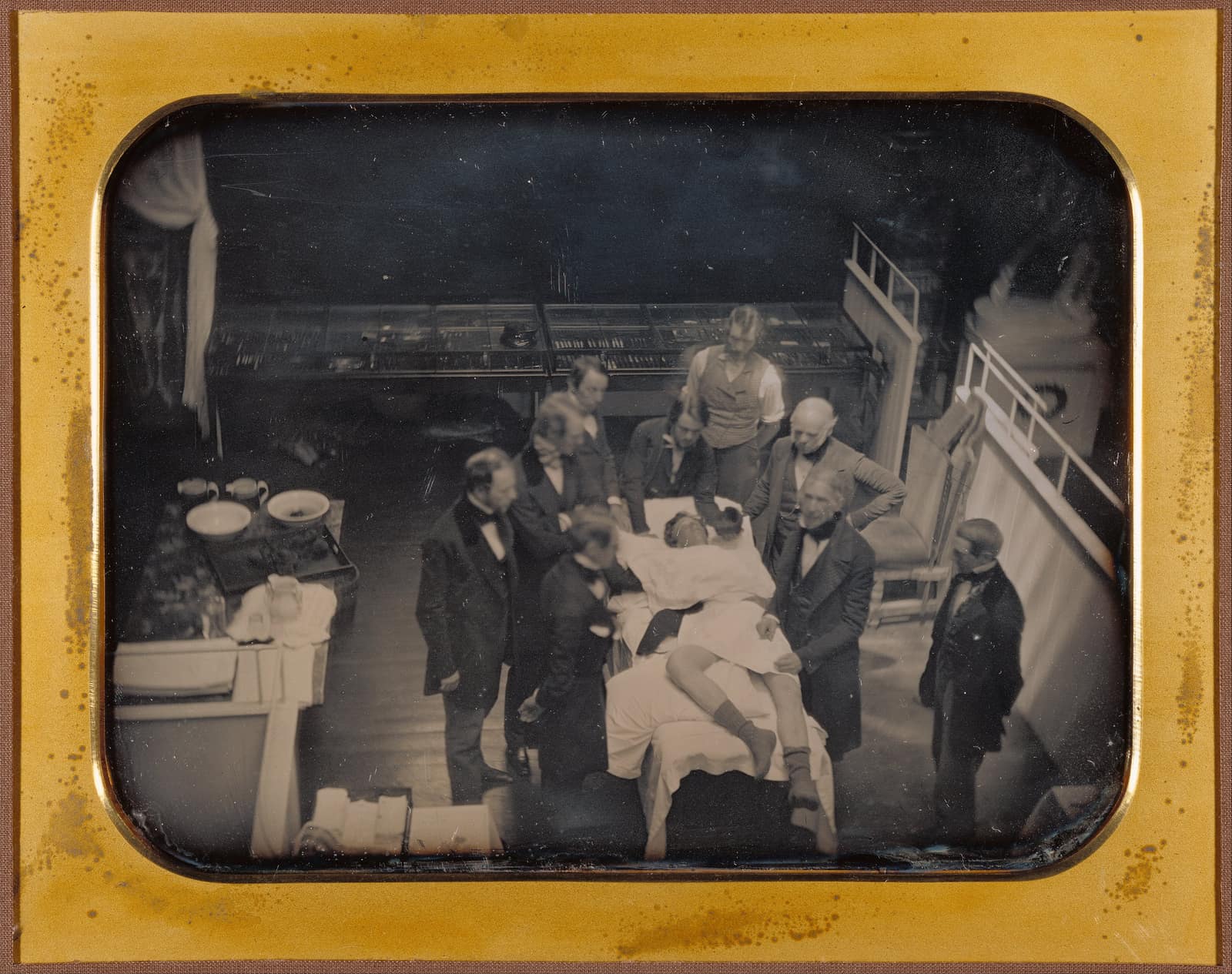
1846
Ether Day: the first public operation under anaesthesia
Ether Dome, Massachusetts General Hospital, Boston, Massachusetts, United States · Americas