Skip to content
Stela
ENFR

Halls

We built IWe discovered IIWe imagined IIIWe changed the world IVWhat we lost VWhat we leave behind VI

Explore

TimelineMapJourneysSearch the archive

Language

Français

Settings

III

Hall III

We imagined

From the archivist

Long before they wrote, they painted. A hand on a wall, an animal in ochre, a story told to the dark. This hall keeps the first images, and the certainty that someone wanted to be seen.

34 fragments in this hall · Africa 7 · Oceania 5 · Asia 9 · Europe 7 · Americas 6
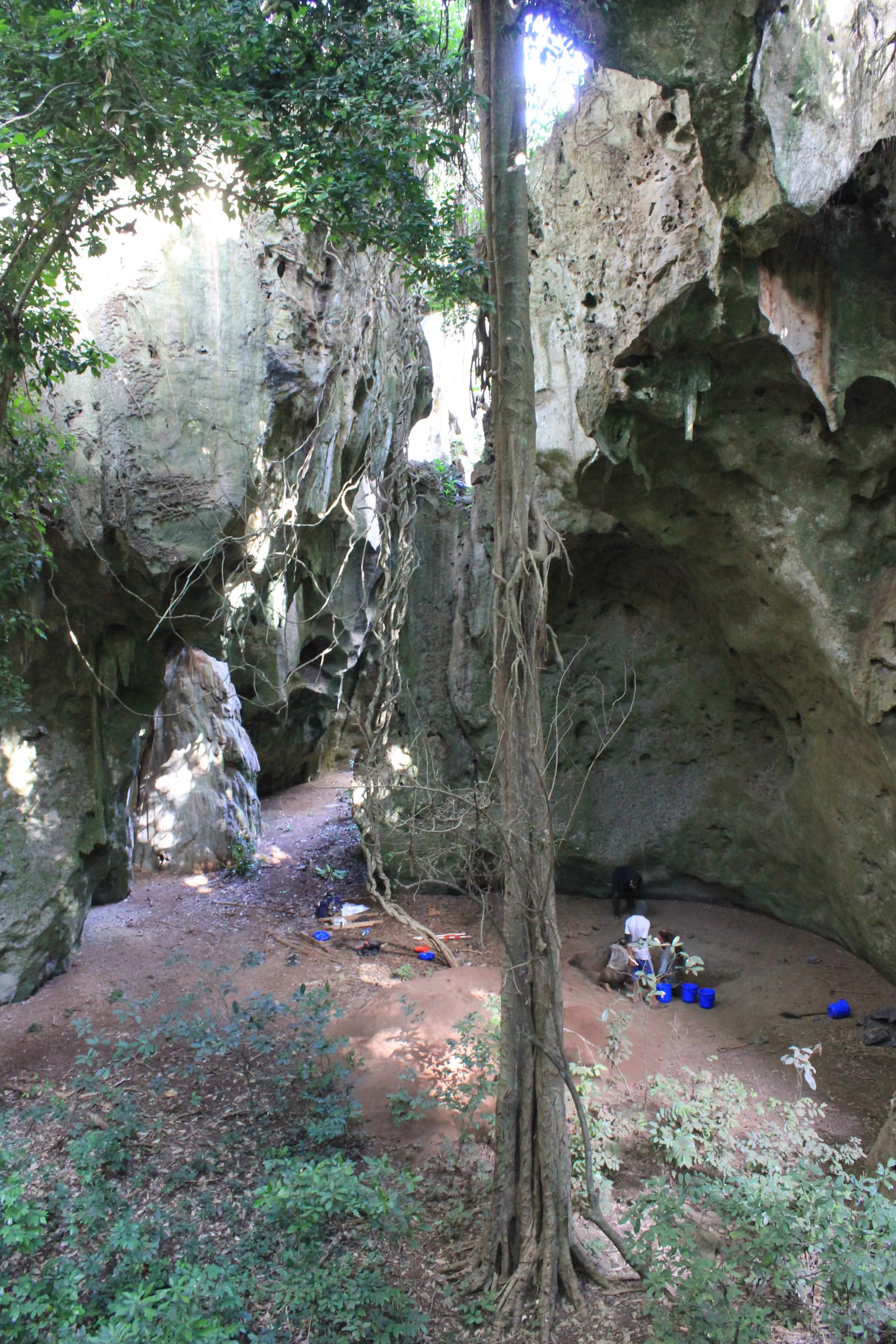
Inside a wide limestone rock shelter, under a pale overhanging cliff pitted with hollows, a slender tree trunk wrapped in hanging roots rises in the foreground; beyond it, on a floor of reddish earth, a few people kneel beside a small excavation among blue buckets, with green shrubs in front.Image not loaded · data saverThe image could not be loaded.Image not saved on this deviceRH-0113

c. 78,000 years ago

Mtoto, the child of Panga ya Saidi

Panga ya Saidi, Kilifi County, Kenya · Africa
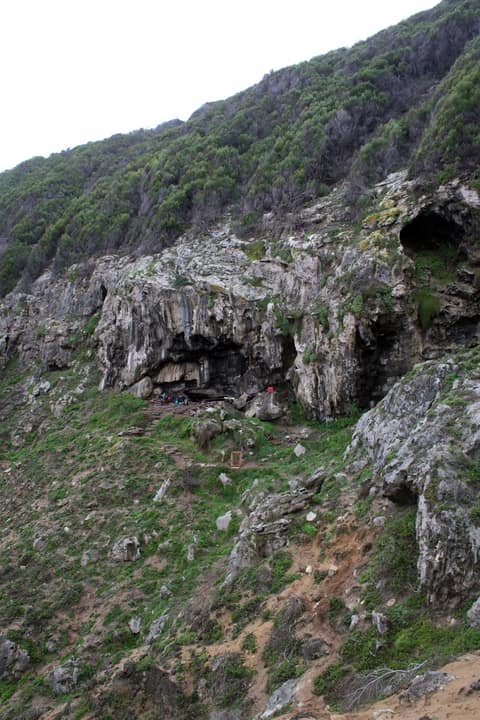
A steep coastal slope covered in low green fynbos shrubs, with grey limestone outcrops and a dark cave mouth opening in the rock partway up the cliff.Image not loaded · data saverThe image could not be loaded.Image not saved on this deviceRH-0014

c. 77,000 years ago

The engraved ochre of Blombos Cave

Near Still Bay, Western Cape, South Africa · Africa
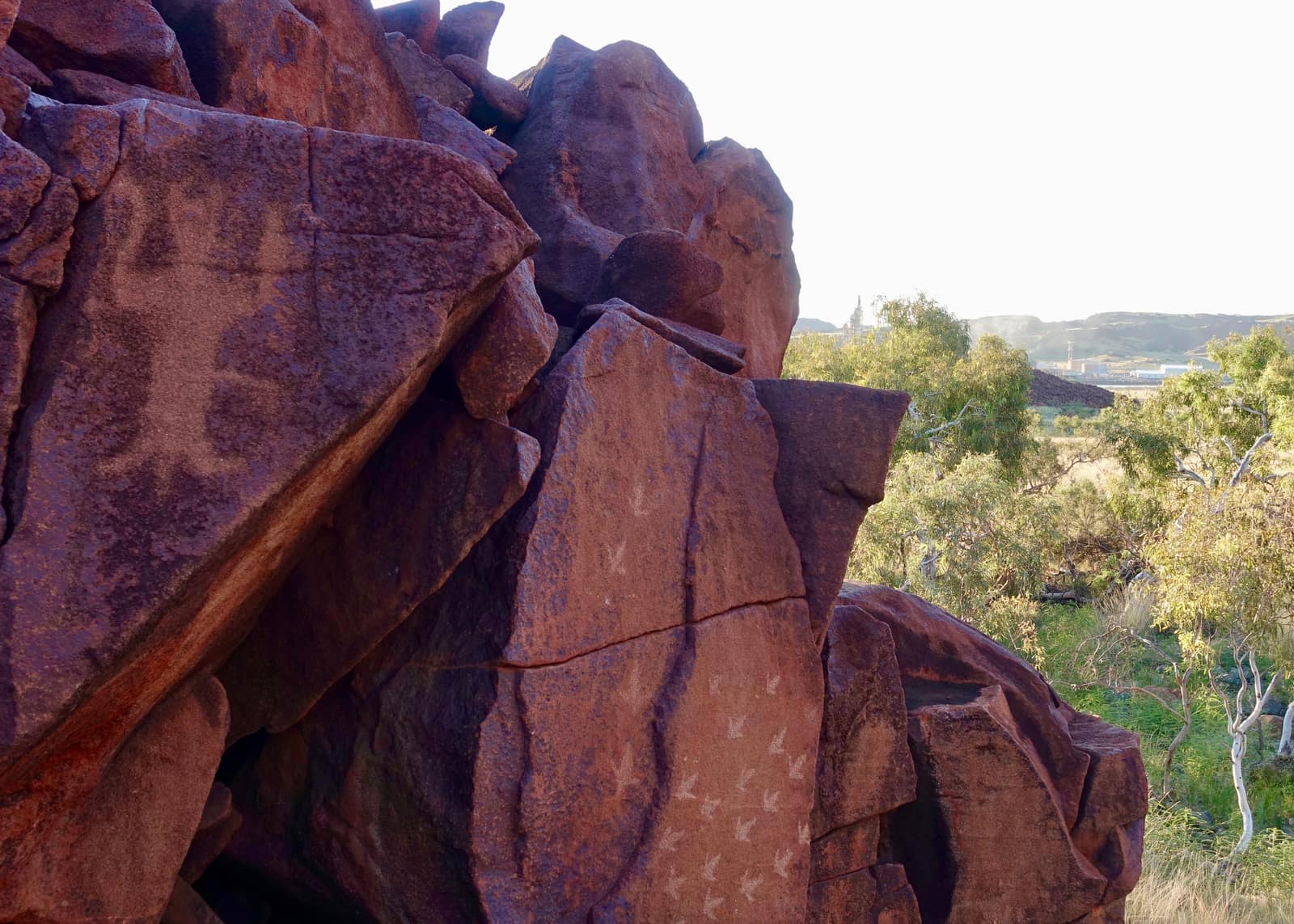
A pile of dark red boulders in low sunlight; on the flat face of one, rows of small pale three-pronged marks have been pecked through the dark surface into the lighter stone. To the right, beyond green trees, the chimneys and buildings of an industrial plant stand on the horizon.Image not loaded · data saverThe image could not be loaded.Image not saved on this deviceRH-0051

c. 50,000 years ago

The engravings of Murujuga

Burrup Peninsula and Dampier Archipelago, Pilbara, Western Australia · Oceania

A pale, flaking limestone wall inside a cave: on the left, a large pig painted in dark red lines, seen in profile facing right, with two red hand stencils above its hindquarters; to the right, fainter traces of other painted pigs broken up by patches where the rock surface has peeled away.Shown at its source: its licence does not yet allow the archive to host it.View the image on Wikimedia Commons
RH-0005

before 46,000 years ago

The painted pig of Leang Tedongnge

Leang Tedongnge, karst of Maros and Pangkep, South Sulawesi, Indonesia · Asia
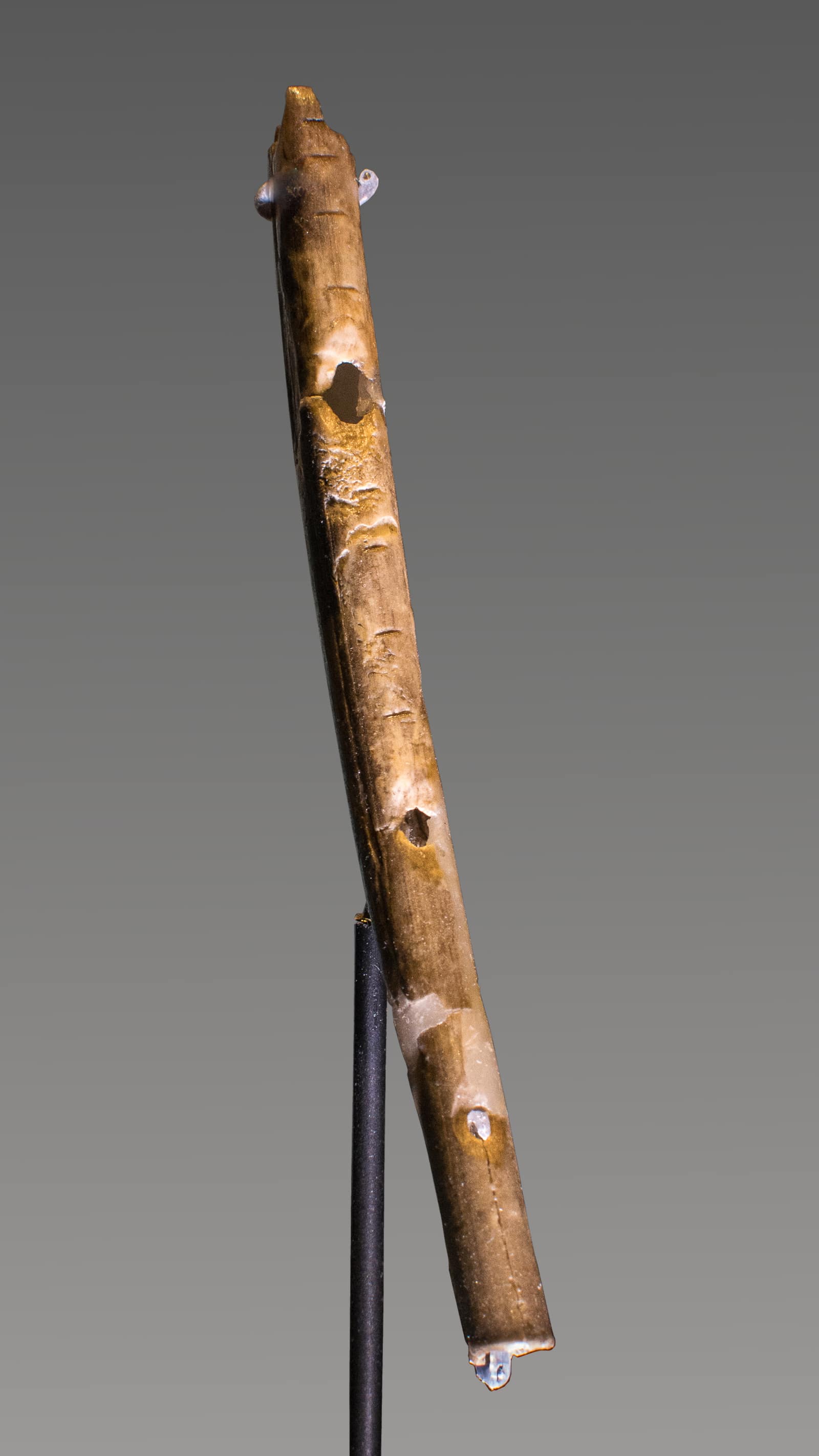
A slender, light brown flute of bird bone held upright on a thin metal rod against a grey background, its surface fine grained and slightly glossy, with a V shaped notch at the top and small round finger holes along its length, the joins of reassembled fragments faintly visible.Image not loaded · data saverThe image could not be loaded.Image not saved on this deviceRH-0044

c. 43,000 years ago

The bone flute of Geißenklösterle

Near Blaubeuren, Baden-Württemberg, Germany · Europe
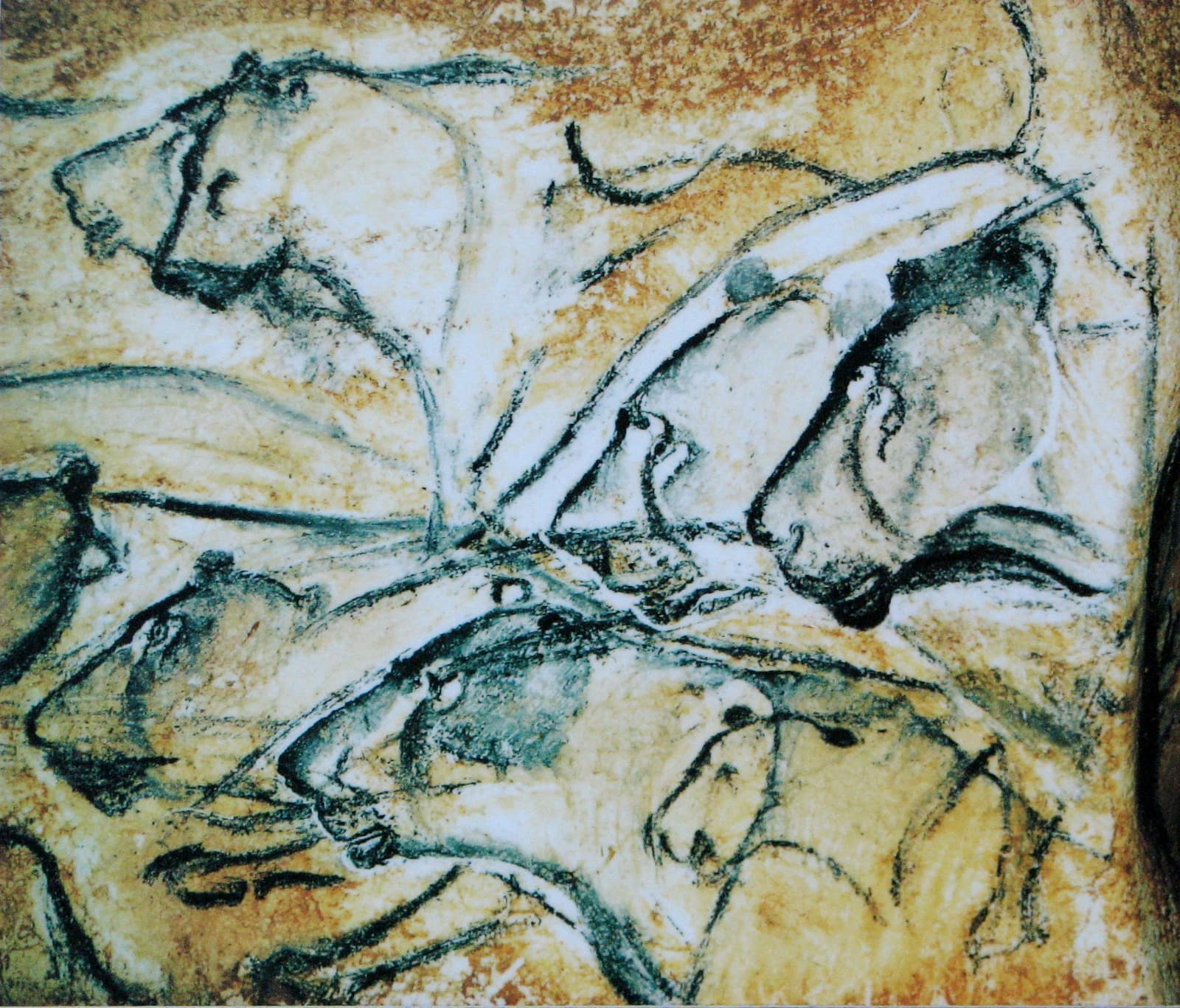
A museum replica of part of the lion panel: the heads and backs of several big cats drawn in black charcoal lines, overlapping one another as if moving from right to left, on a pale limestone wall stained with ochre and yellow.Image not loaded · data saverThe image could not be loaded.Image not saved on this deviceRH-0037

c. 37,000 years ago

The paintings of Chauvet Cave

Vallon-Pont-d'Arc, Ardèche, France · Europe
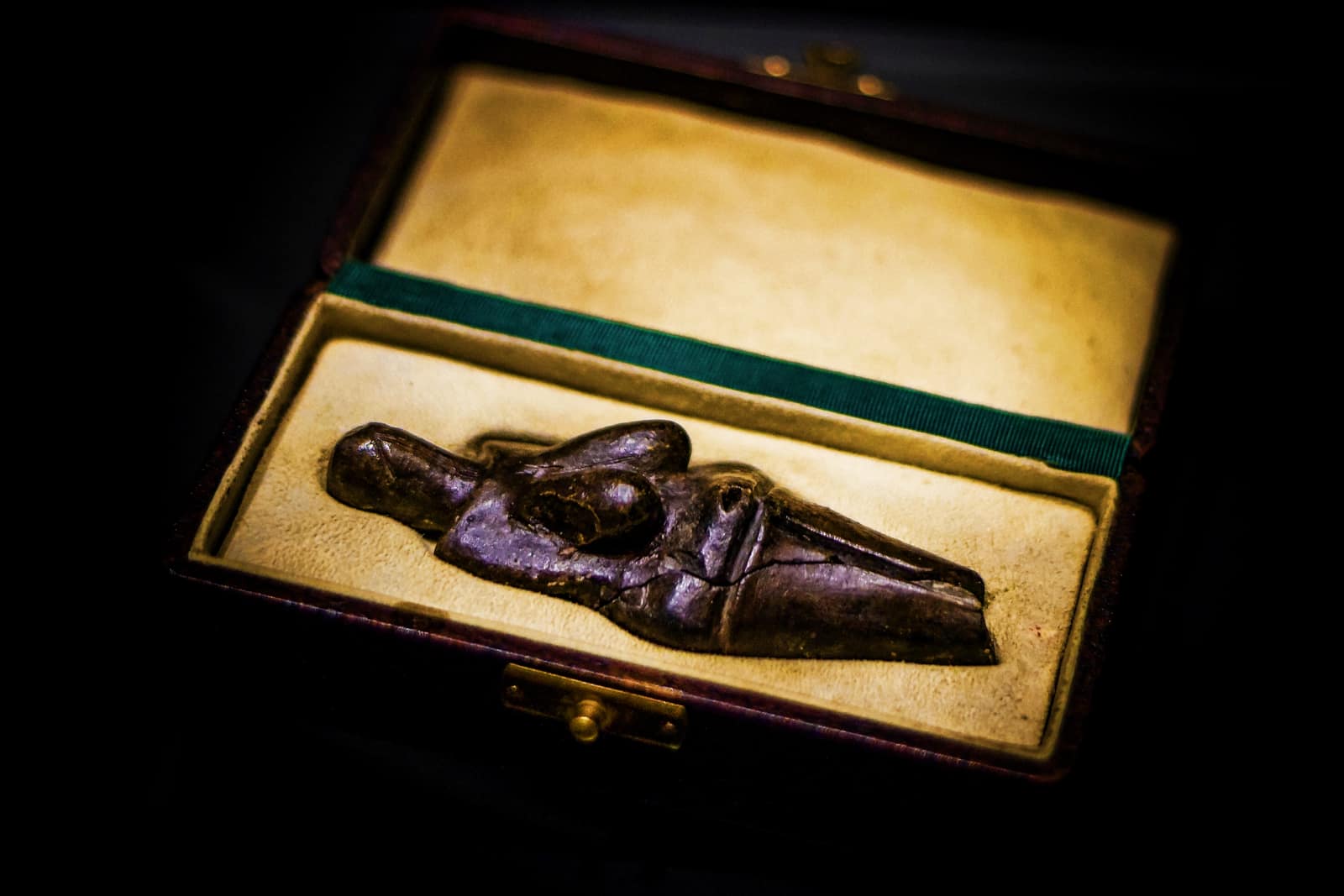
A small dark figure of fired clay lying in an open box lined with pale fabric: a woman with heavy breasts and wide hips, a faceless head with slits for eyes, and legs that end in a point, lit against a black background.Image not loaded · data saverThe image could not be loaded.Image not saved on this deviceRH-0039

c. 29,000 years ago

The fired figure of Dolní Věstonice

Dolní Věstonice, South Moravia, Czech Republic · Europe
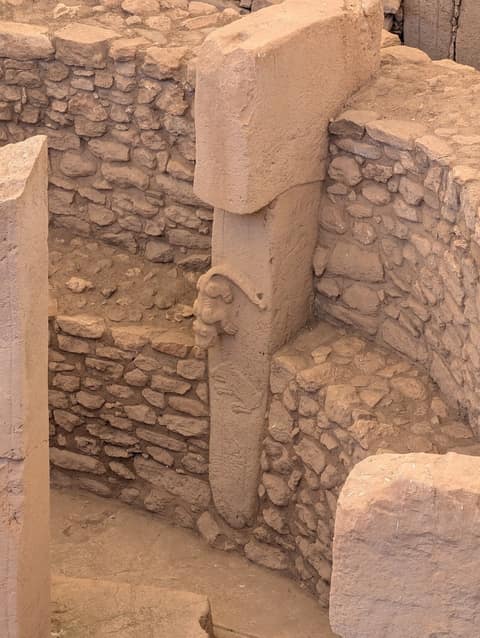
Inside a round enclosure of rough stone walls, a tall T-shaped limestone pillar with a heavy rectangular head; on its shaft a predator is carved in high relief, head and forelegs jutting out as if climbing down, above the flat outline of a wild boar.Image not loaded · data saverThe image could not be loaded.Image not saved on this deviceRH-0025

9600 to 8200 BCE

Göbekli Tepe

Near Şanlıurfa, Türkiye · Asia
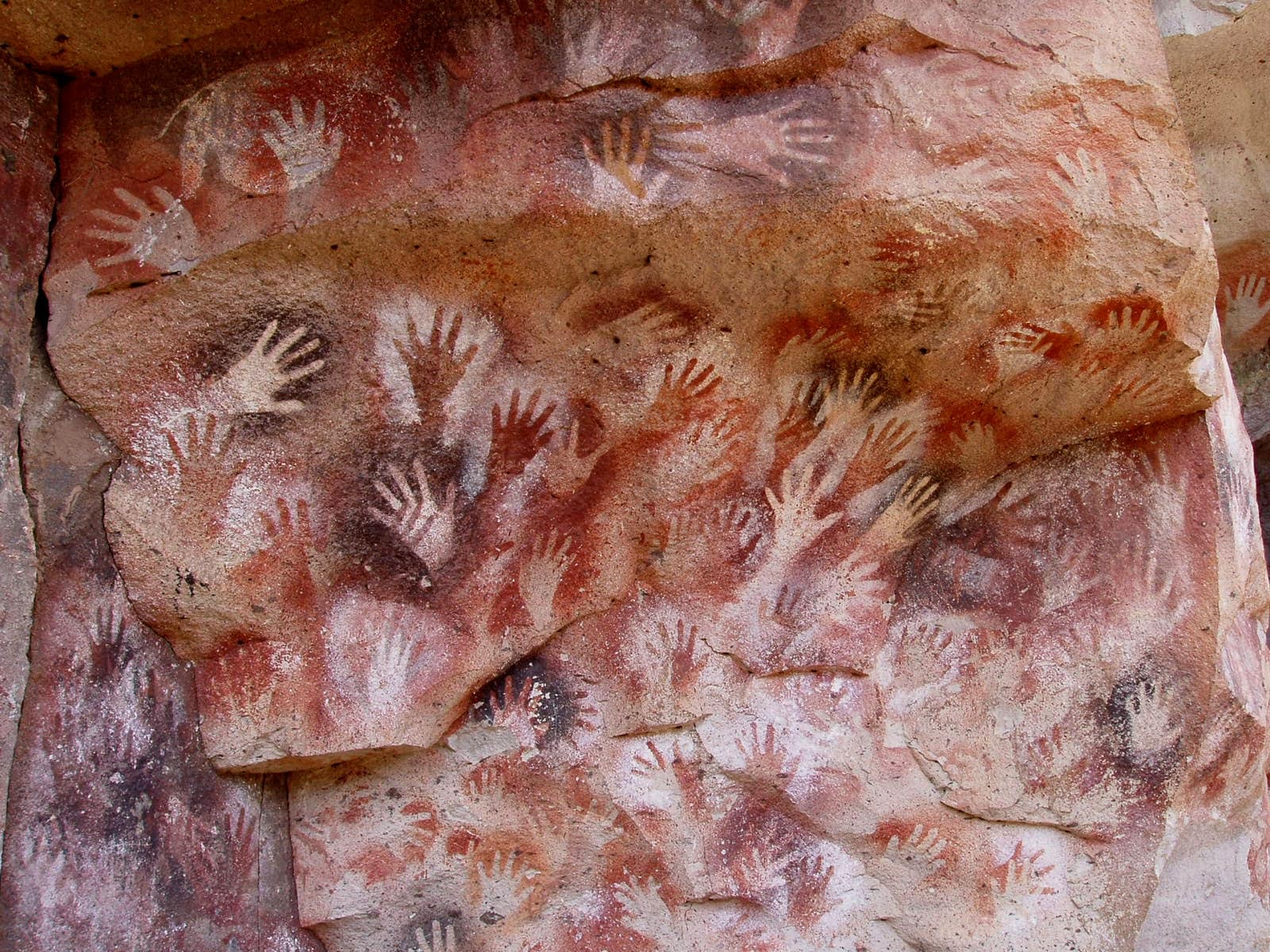
A reddish rock wall covered with dozens of overlapping hand stencils: pale outlines of open hands, fingers spread, stand out against sprayed patches of red, orange, white and black pigment.Image not loaded · data saverThe image could not be loaded.Image not saved on this deviceRH-0006

8700 to 6500 BCE

The Cave of the Hands

Cueva de las Manos, Pinturas River canyon, Santa Cruz Province, Argentina · Americas
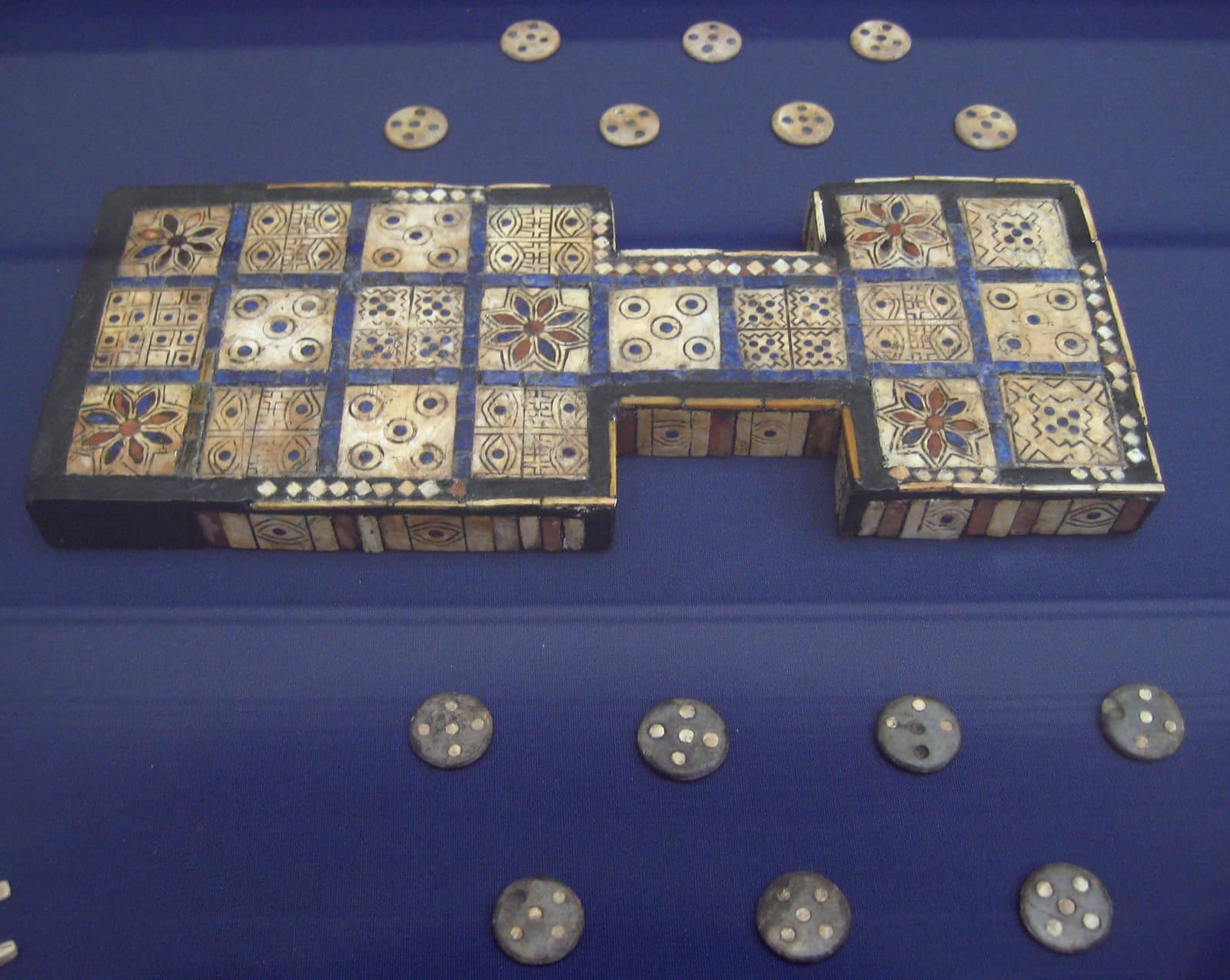
A small wooden board in a museum case on dark blue cloth, shaped like two blocks of squares joined by a narrow bridge of two squares: its twenty shell squares are inlaid with red and blue, five of them bearing eight-petalled rosettes, others circles of dots or eye-like patterns, all framed by thin blue strips; above and below lie two rows of round playing pieces, seven pale ones with five dark dots and seven dark ones with five white dots.Image not loaded · data saverThe image could not be loaded.Image not saved on this deviceRH-0117

2600 to 2400 BCE

The Royal Game of Ur, and the guards who played it

Tell al-Muqayyar, Dhi Qar Governorate, Iraq · Asia
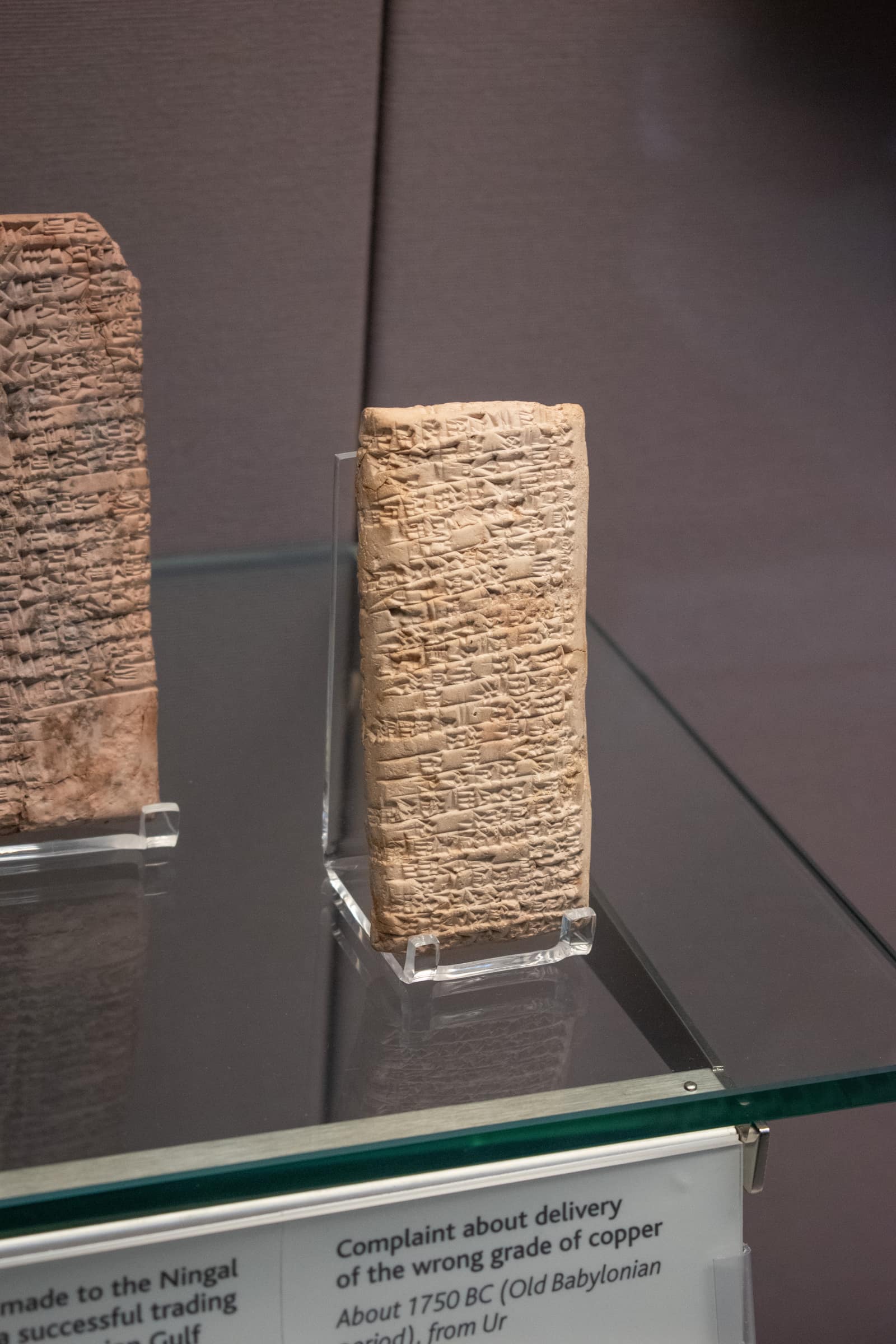
A small, upright clay tablet the colour of pale sand, covered from edge to edge with close rows of wedge-shaped cuneiform signs, standing on a clear stand behind glass in a museum case. The corner of another inscribed tablet shows at the left, and a label in front begins: Complaint about delivery of the wrong grade of copper.Image not loaded · data saverThe image could not be loaded.Image not saved on this deviceRH-0125

c. 1749 BCE

Nanni's complaint to Ea-nasir

Tell al-Muqayyar, near Nasiriyah, Dhi Qar Governorate, Iraq · Asia
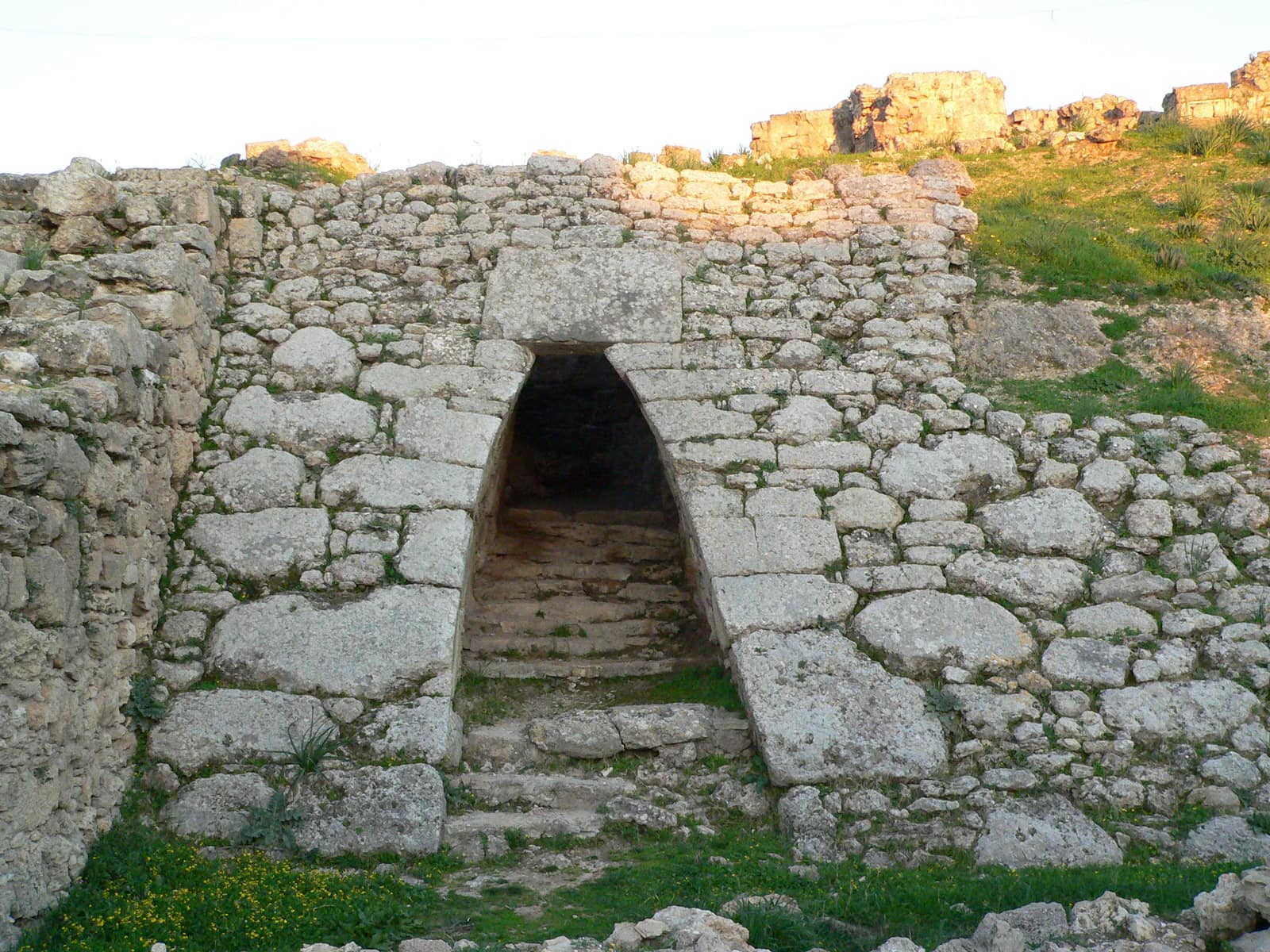
A narrow passage with a pointed, corbelled opening cuts through a thick wall of large pale limestone blocks; steps lead up into the darkness inside, grass and yellow flowers grow at its foot, and ruined walls stand on the grassy mound above under a pale sky.Image not loaded · data saverThe image could not be loaded.Image not saved on this deviceRH-0060

c. 1400 BCE

The Hurrian Hymn no. 6

Ras Shamra, near Latakia, Syria · Asia
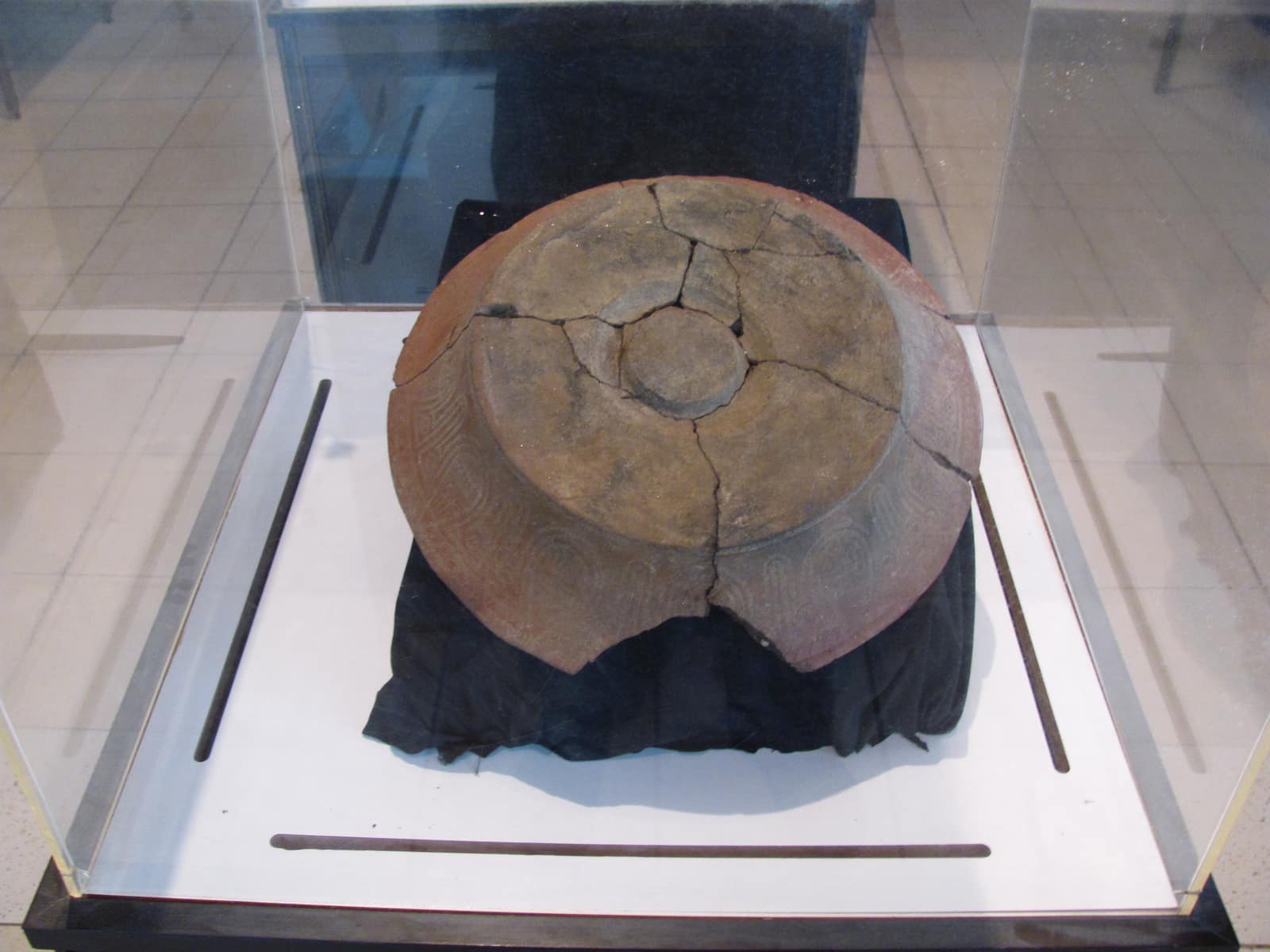
A wide earthenware dish, reddish brown, shown upside down in a glass case on a dark cloth: its flat base and a central foot ring are visible, the body is cracked and glued from many pieces, and around the sloping sides runs faint stamped decoration of fine dotted lines in curving bands.Image not loaded · data saverThe image could not be loaded.Image not saved on this deviceRH-0056

c. 1000 BCE

Lapita pottery

Teouma, Efate, Shefa Province, Vanuatu · Oceania
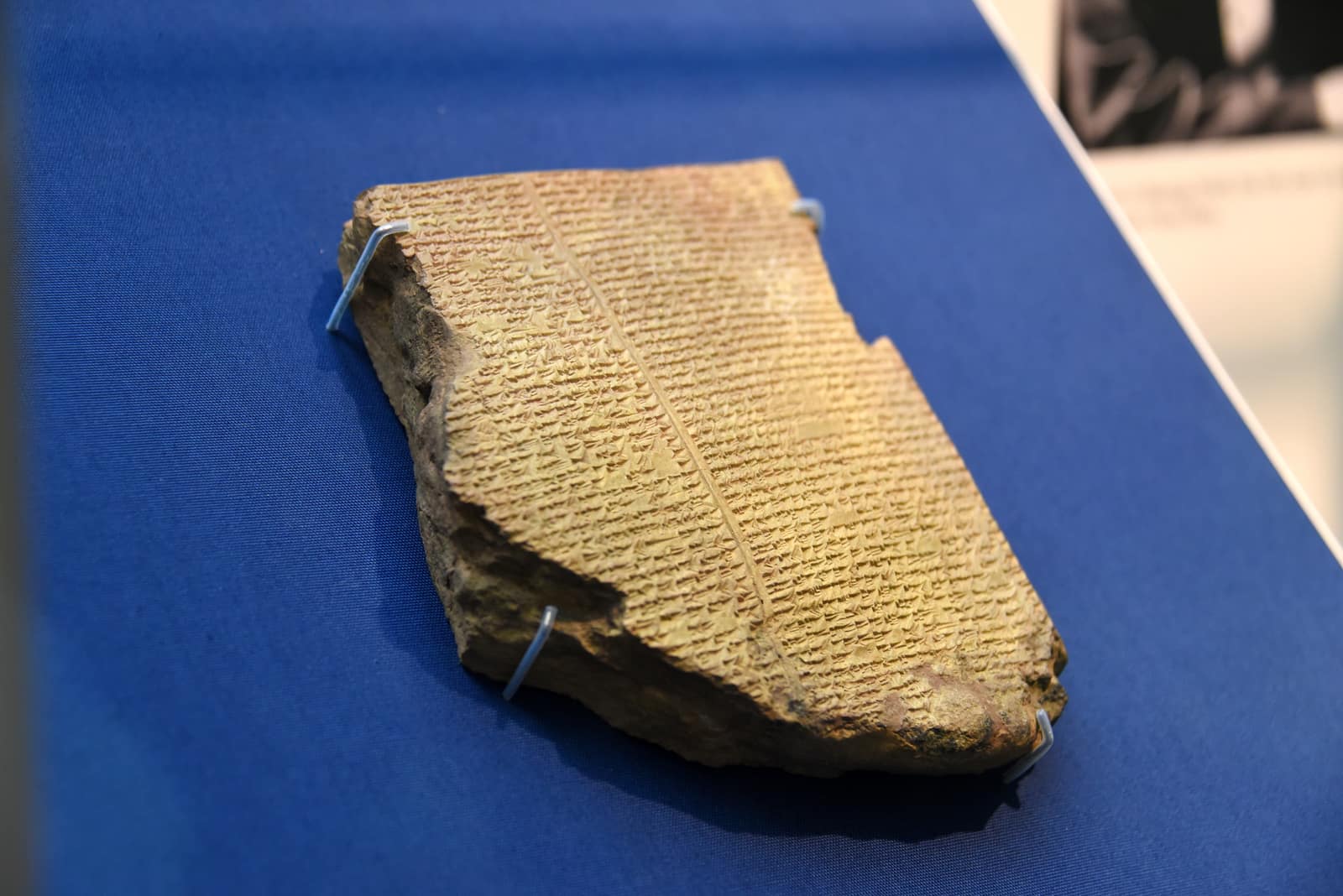
A broken slab of baked clay, the colour of sand, lying on blue cloth in a museum case and held by small metal clips; its surface is packed with rows of tiny wedge-shaped cuneiform signs in two columns divided by a ruled line, and its left and lower edges are broken away.Image not loaded · data saverThe image could not be loaded.Image not saved on this deviceRH-0036

c. 650 BCE

The Epic of Gilgamesh (Flood Tablet)

Mosul, Iraq · Asia
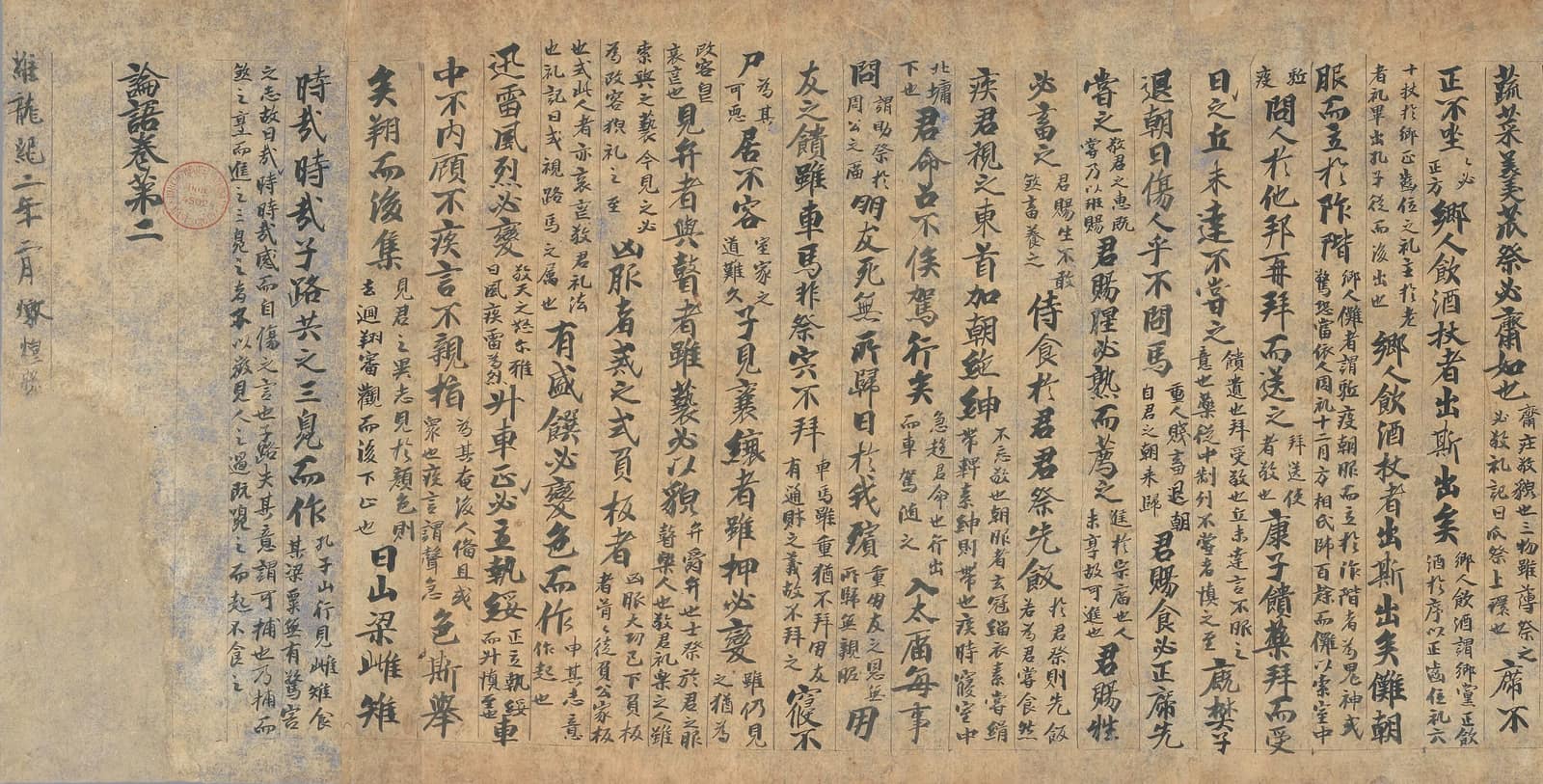
A length of yellowed paper scroll written in vertical columns of Chinese characters in black ink, large characters for the text and pairs of smaller columns for the commentary; at the right edge the chapter title and a date line, and a small red seal stamp near the top.Image not loaded · data saverThe image could not be loaded.Image not saved on this deviceRH-0029

479 to 59 BCE

The Analects of Confucius

Qufu, Shandong, China · Asia
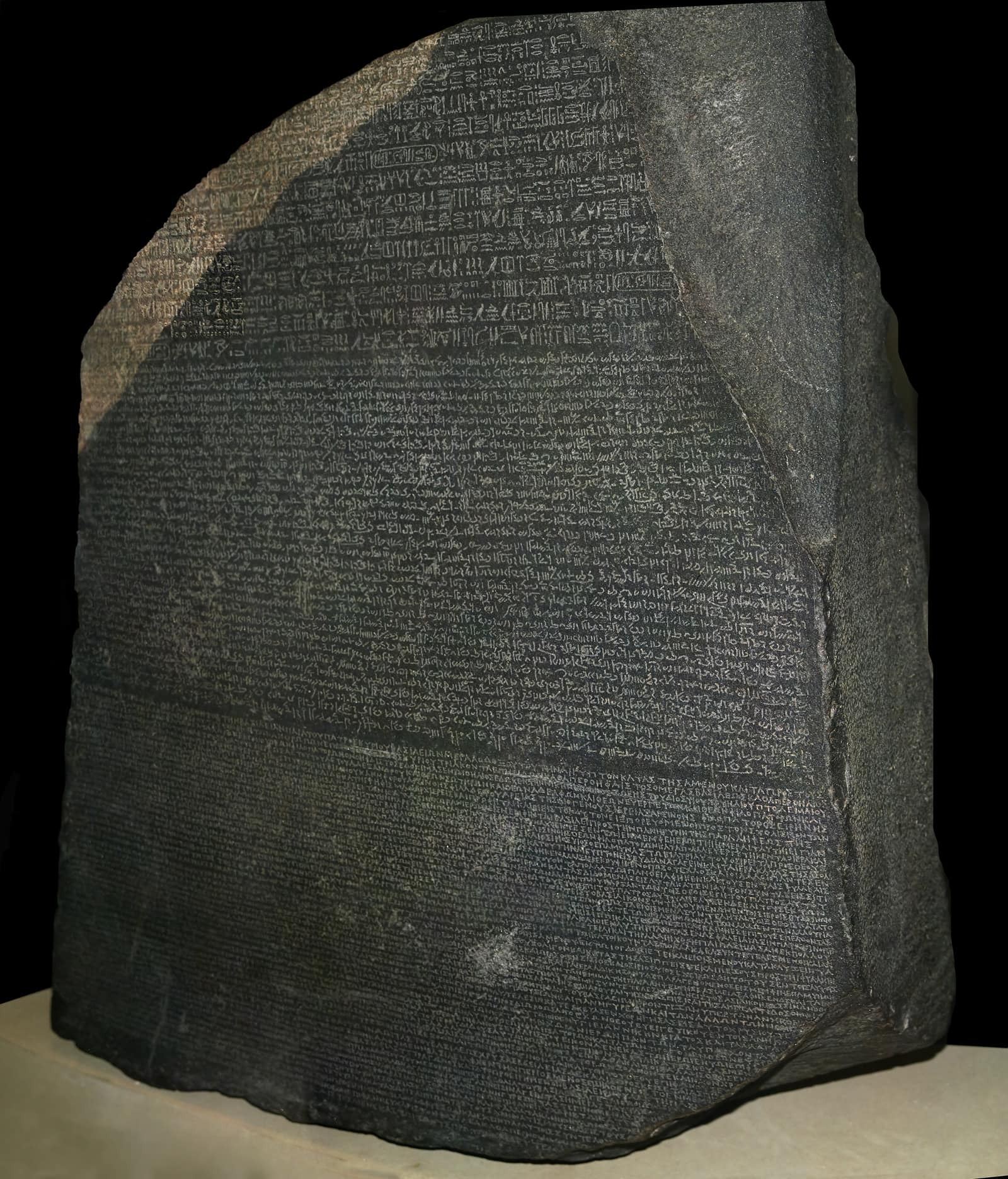
The Rosetta Stone lit against a black background: a dark grey granodiorite slab with a broken, sloping top edge and a band of pinkish stone at its upper left corner, its face covered from edge to edge in rows of small incised writing, in three bands that are hard to tell apart at this distance.Image not loaded · data saverThe image could not be loaded.Image not saved on this deviceRH-0018

196 BCE

The Rosetta Stone

Rashid, Beheira, Egypt; now in London, United Kingdom · Africa
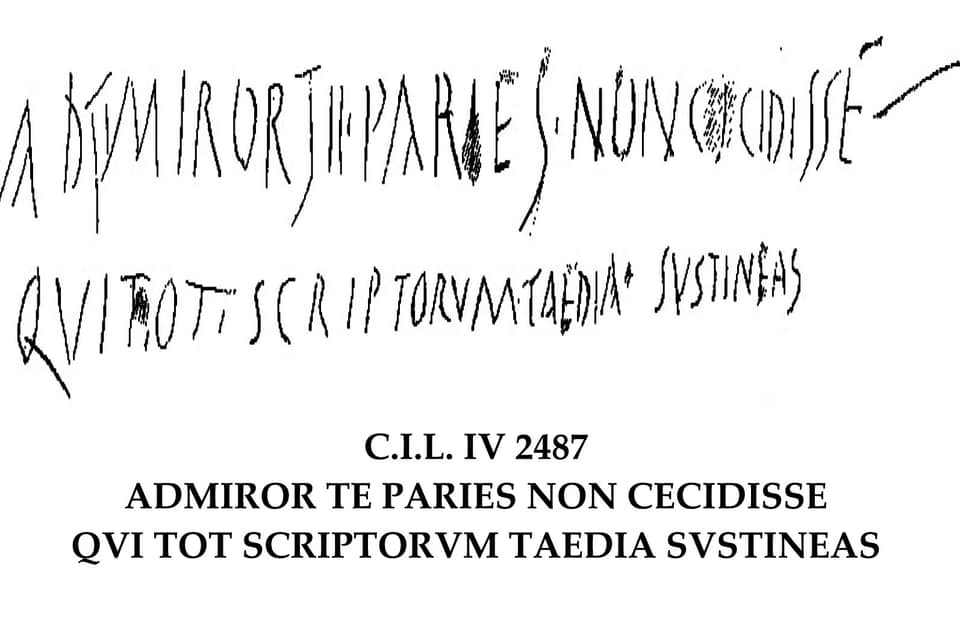
A black-on-white tracing of a Latin graffito, two lines of thin, spiky capital letters scratched quickly and unevenly, some joined, some crossed by stray strokes. Below, a printed caption gives the reference CIL IV 2487 and the text in regular capitals: ADMIROR TE PARIES NON CECIDISSE QVI TOT SCRIPTORVM TAEDIA SVSTINEAS.Image not loaded · data saverThe image could not be loaded.Image not saved on this deviceRH-0145

before 79 CE

The walls of Pompeii: love, insults and a shopping list

Archaeological site of Pompeii, Campania, Italy · Europe
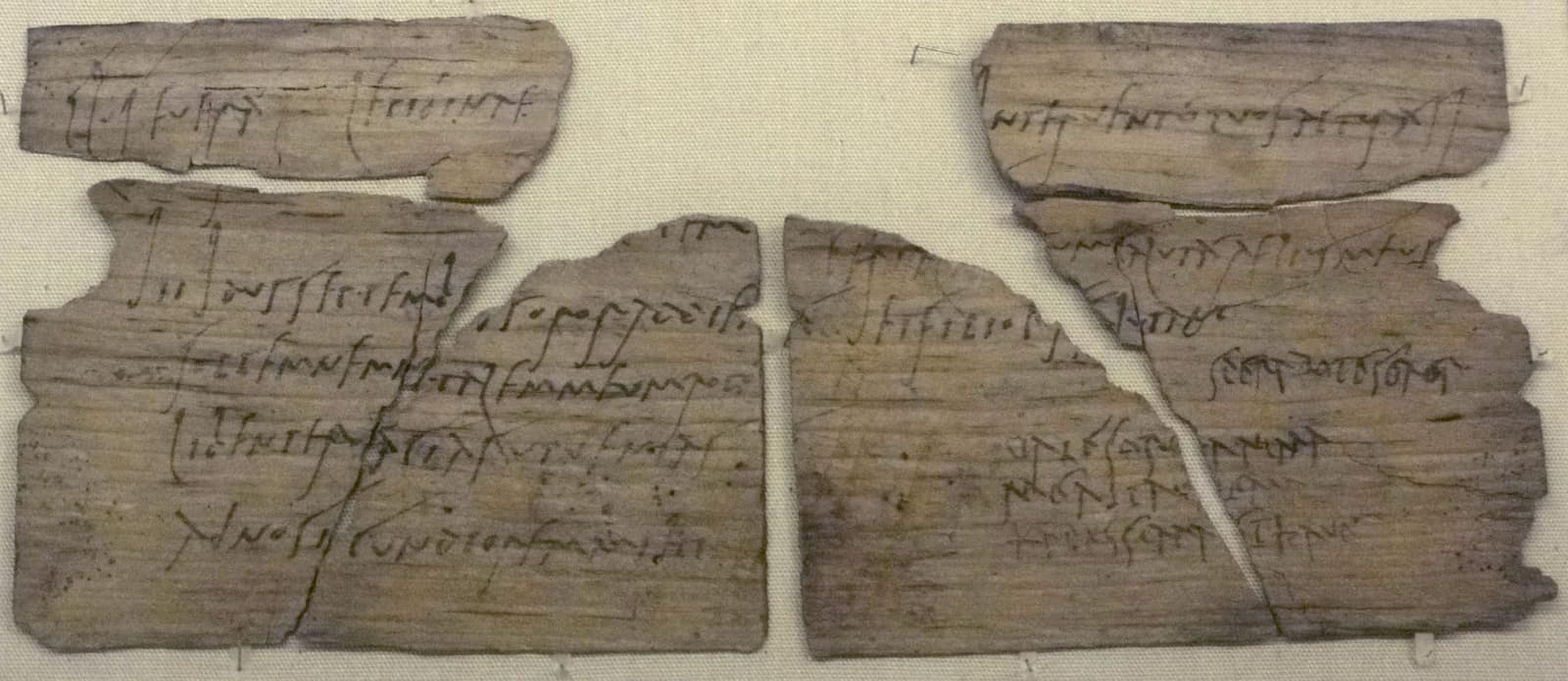
Four pale, grained fragments of a thin wooden writing tablet laid out on beige cloth, in two halves with a narrow gap between them. Lines of faded dark ink in Roman cursive script run across the wood; in the lower part of the right half, a few shorter lines are written in a different, more crowded hand.Image not loaded · data saverThe image could not be loaded.Image not saved on this deviceRH-0124

97 to 105 CE

Come to my birthday: Claudia Severa's letter to Lepidina

Chesterholm, near Bardon Mill, Northumberland, England, United Kingdom · Europe
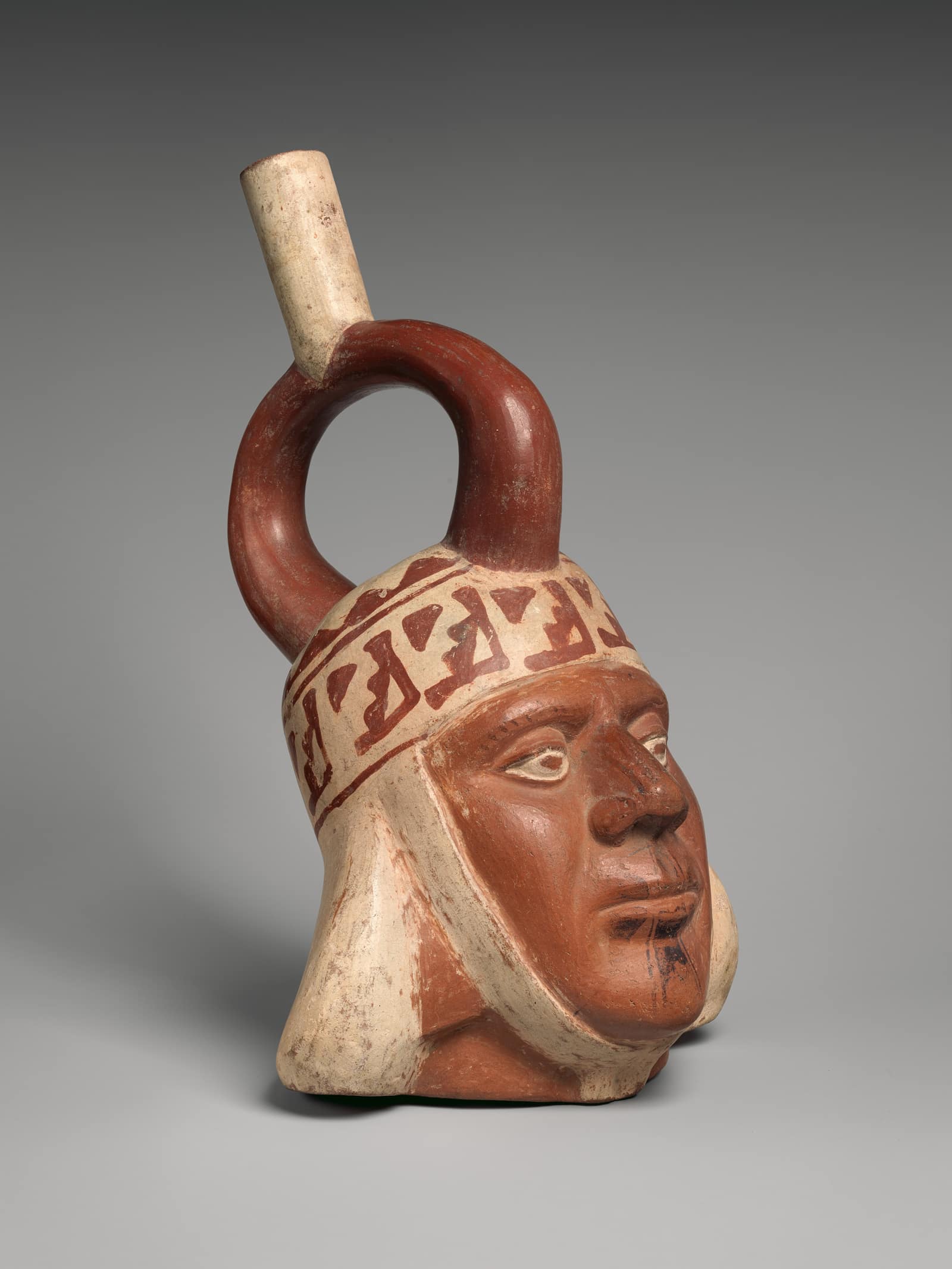
A ceramic bottle shaped as a man's head, seen in three-quarter view against a grey background: reddish-brown face with a strong nose, full lips slightly parted and eyes outlined in white and black; a cream headcloth with a band of dark red geometric motifs frames the face, and a looped stirrup spout with a cream mouthpiece rises from the top. Fine black lines are painted below the lower lip.Image not loaded · data saverThe image could not be loaded.Image not saved on this deviceRH-0123

100 to 800 CE

The Moche portrait vessels

North coast of Peru (exact findspot of the vessel shown unknown) · Americas
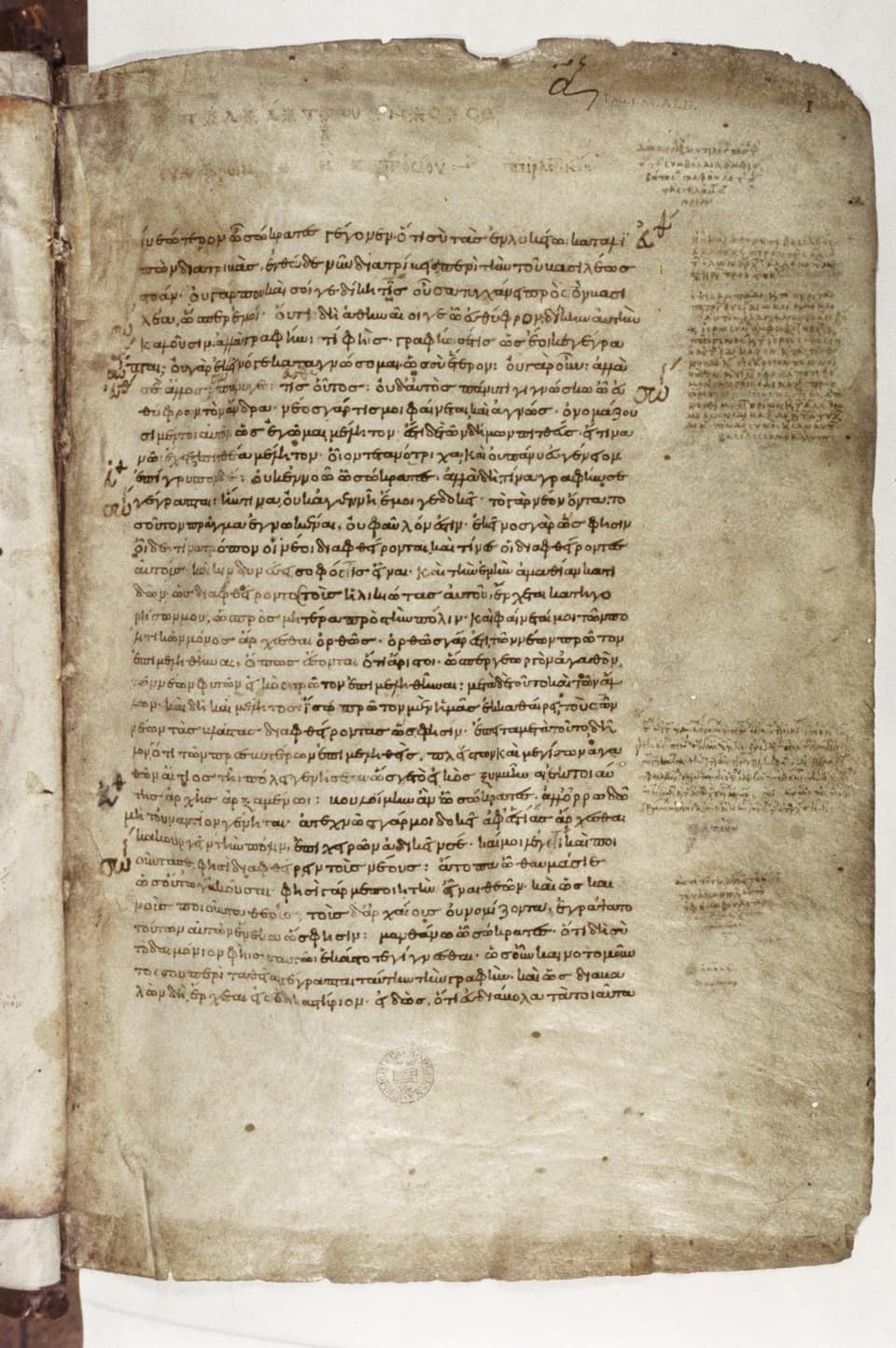
A page of yellowed parchment covered in two blocks of small, regular Greek minuscule script in brown ink, the main text in a wide column and fainter notes squeezed into the right margin, with the edge of the binding visible on the left.Image not loaded · data saverThe image could not be loaded.Image not saved on this deviceRH-0040

895 CE

The Clarke Plato

Istanbul, Türkiye · Europe
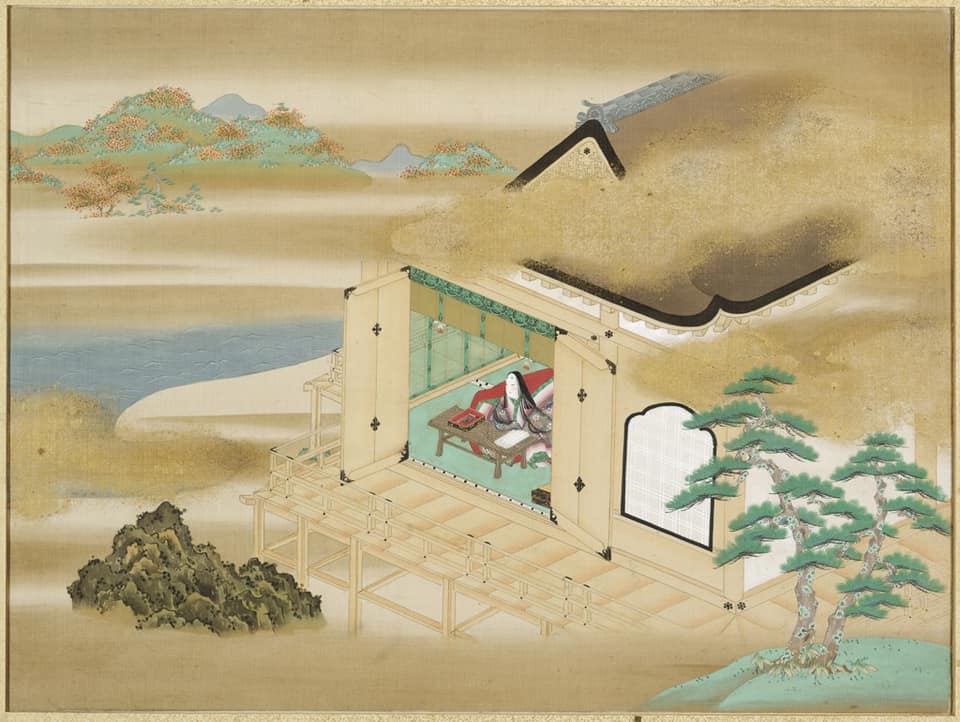
A painting on silk in soft gold, green and blue: a wooden temple hall raised on posts above the shore of a pale lake, its roof half hidden by drifting golden clouds. Through an open double door a woman in layered red and white robes, her long black hair falling down her back, sits at a low writing desk with sheets of paper and an inkstone before her. Pine trees grow below the veranda, and across the water rise hills dotted with autumn-red trees.Image not loaded · data saverThe image could not be loaded.Image not saved on this deviceRH-0139

1001 to 1013 CE

The Tale of Genji: a lady of the court writes what passes

Kyoto, Japan · Asia
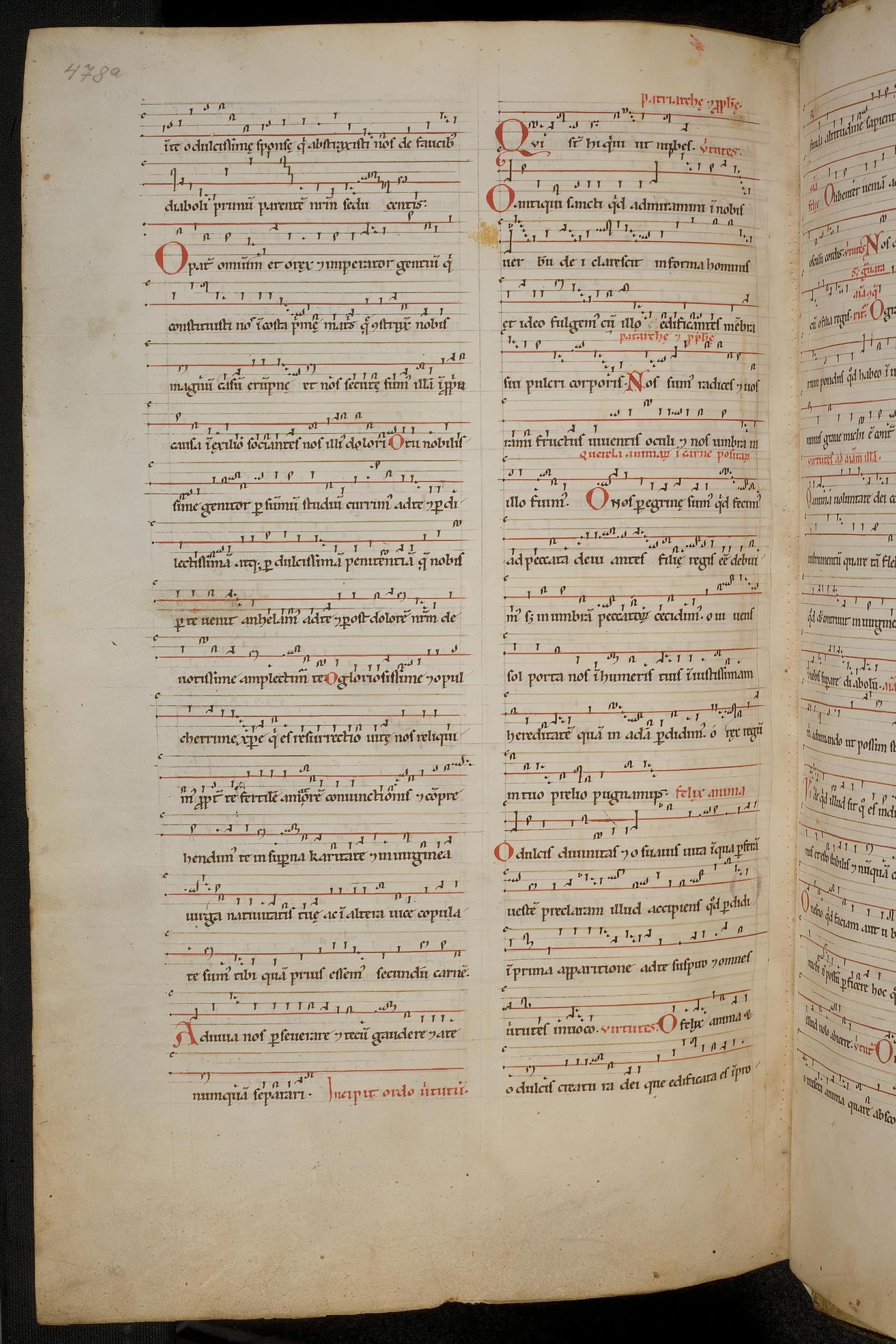
A tall parchment page in two columns, its edges darkened and a small stain near the top; above every line of black Latin text runs a red ruled line carrying small black neumes, the signs of the melody. Red and blue initials open the sections, red labels name the singers, and at the foot of the left column a red heading reads 'Incipit ordo virtutum', here begins the Order of the Virtues. The edge of the next page shows at the right.Image not loaded · data saverThe image could not be loaded.Image not saved on this deviceRH-0146

1150 to 1179 CE

Hildegard of Bingen: the year her sisters were forbidden to sing

Bingerbrück, Bingen am Rhein, Rhineland-Palatinate, Germany · Europe
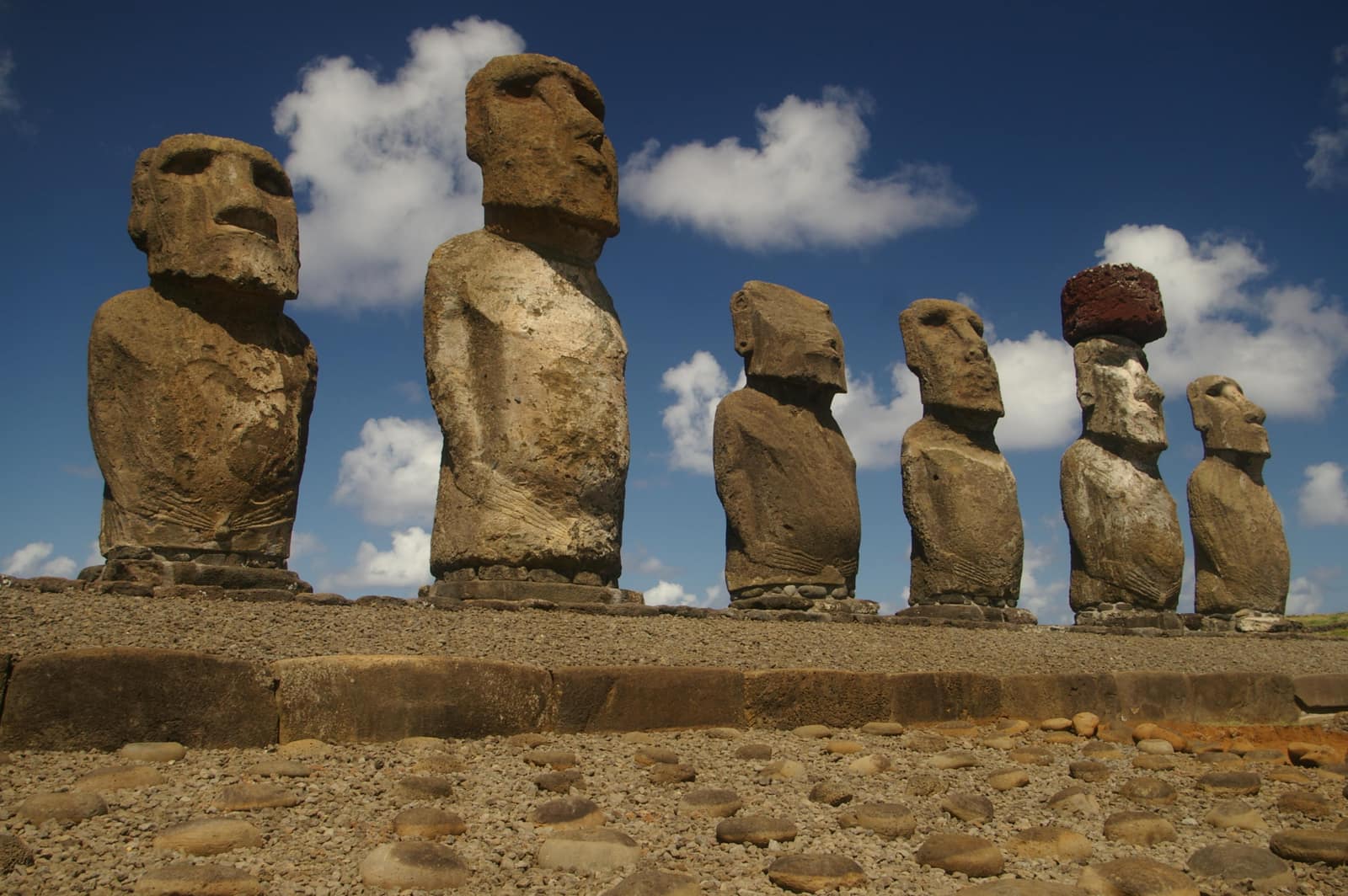
Six weathered stone figures stand in a row on a long stone platform under a deep blue sky with white clouds: long faces with heavy brows and narrow chins, arms carved along the sides of their bodies; one wears a red stone cylinder on its head, and the ground before them is paved with rounded stones.Image not loaded · data saverThe image could not be loaded.Image not saved on this deviceRH-0059

1200 to 1650

The moai of Rapa Nui

Ahu Tongariki, Rapa Nui National Park, Valparaíso Region, Chile · Oceania
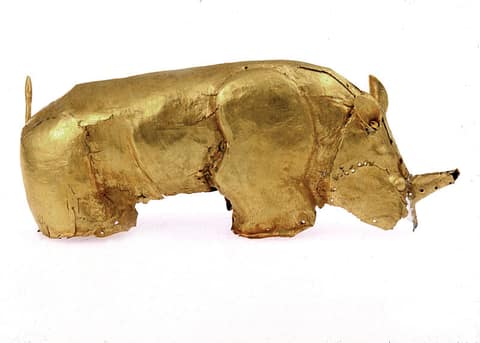
A small rhinoceros of thin, crumpled gold foil, seen in profile against white, facing right: a heavy body on short legs, a single pointed horn on the snout, two small rounded ears and a thin, upright tail. The foil is creased and split along its seams, and rows of tiny pinholes and gold tacks run along the edges of the plates, around the head and above the feet.Image not loaded · data saverThe image could not be loaded.Image not saved on this deviceRH-0132

1200 to 1300 CE

The golden rhinoceros of Mapungubwe, and the person buried with it

Mapungubwe National Park, Limpopo Province, South Africa · Africa
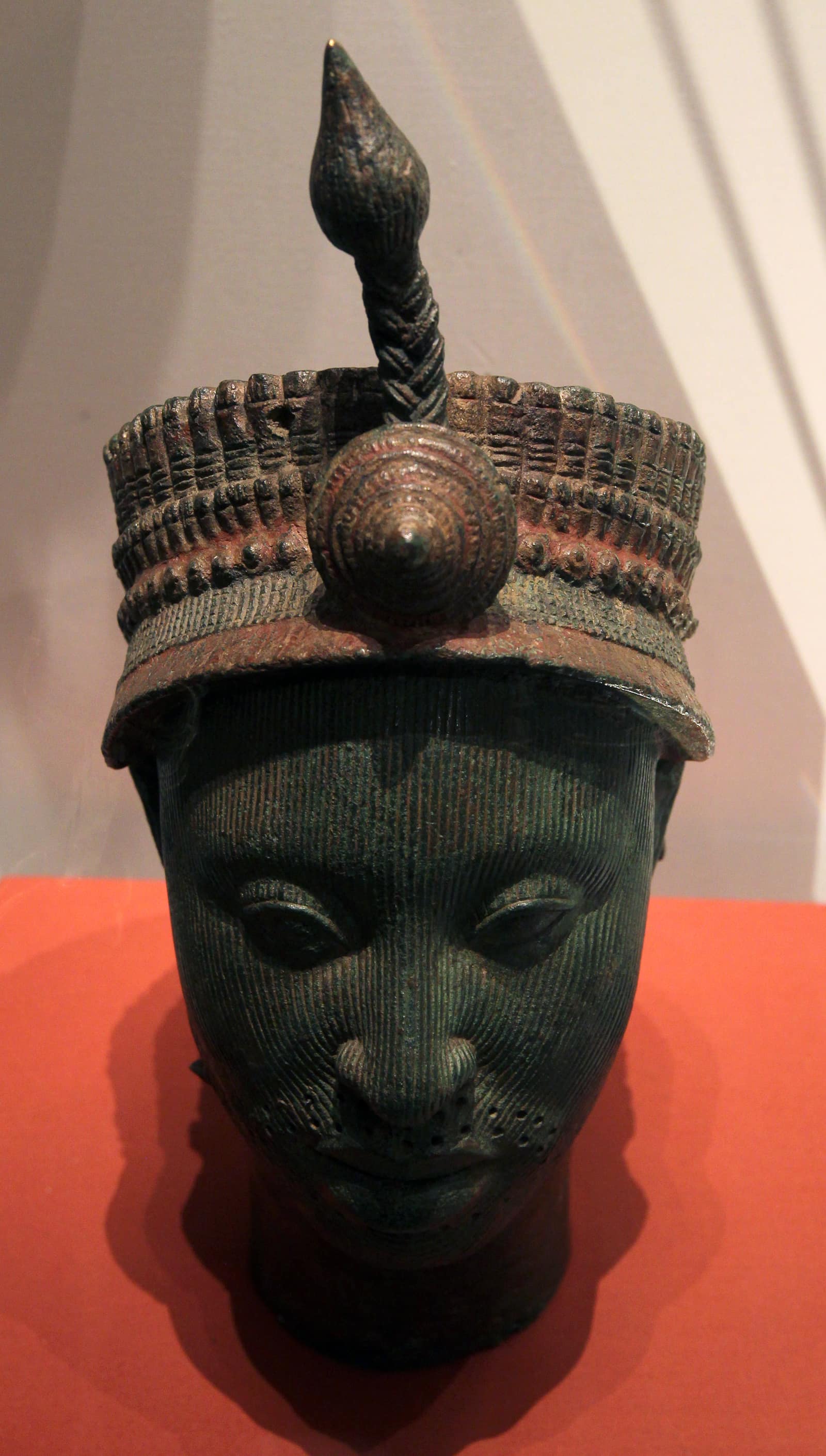
A life-like cast metal head with a dark green patina, shown against a red and white museum wall: the calm face has full lips, almond eyes and fine parallel lines running down the whole face; it wears a tall beaded crown with a rosette at the front and a plume-like crest rising from the top.Image not loaded · data saverThe image could not be loaded.Image not saved on this deviceRH-0020

1300 to 1500

The heads of Ifẹ

Ile-Ife, Osun State, Nigeria · Africa
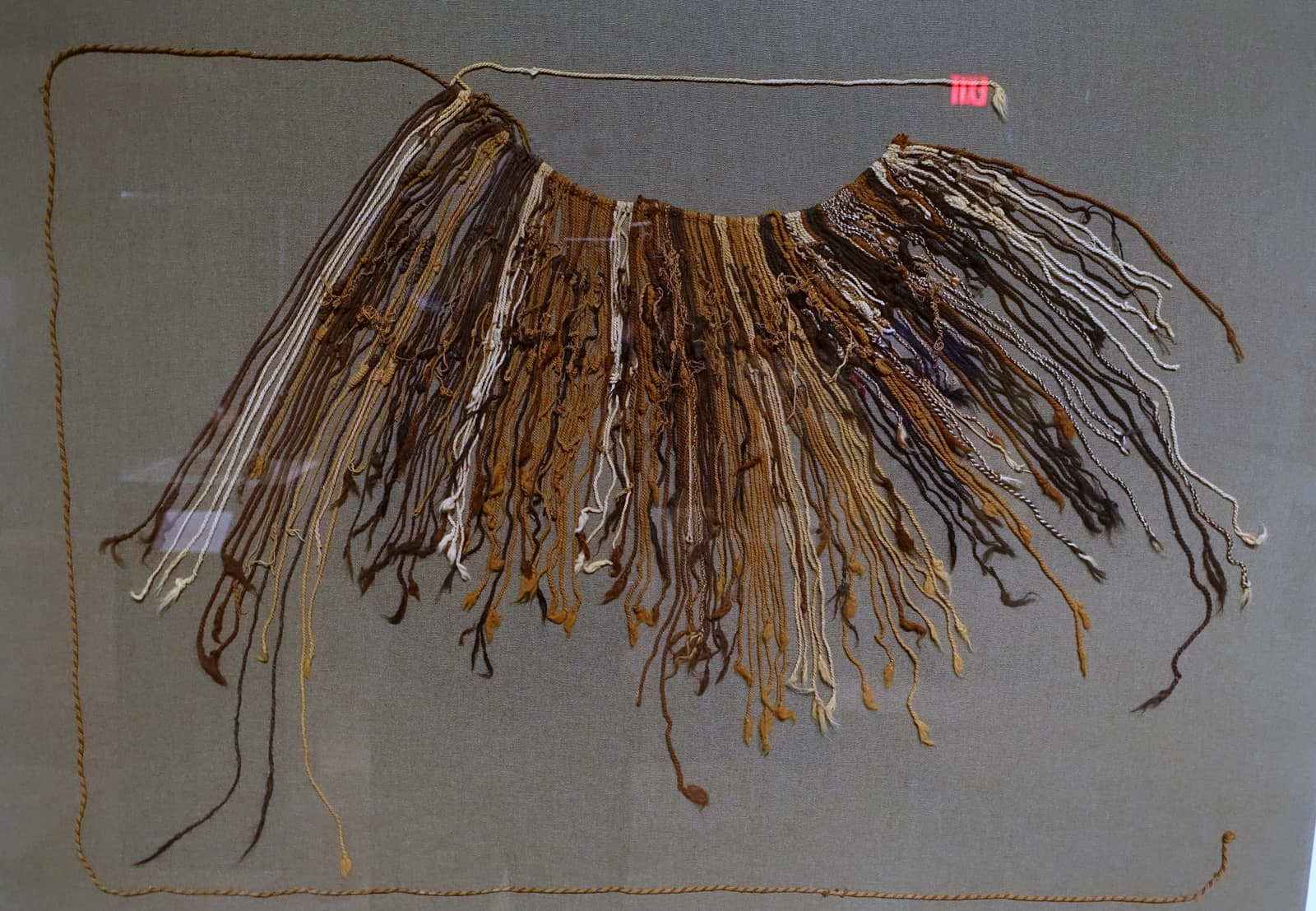
A khipu laid flat behind glass: from a curved main cord hang dozens of long cords in dark brown, tan and cream, some tied with small knots at different heights, a few carrying shorter cords attached to them; a single thin cord trails away in a wide loop around them.Image not loaded · data saverThe image could not be loaded.Image not saved on this deviceRH-0052

1400 to 1800

The khipu

Peru · Americas
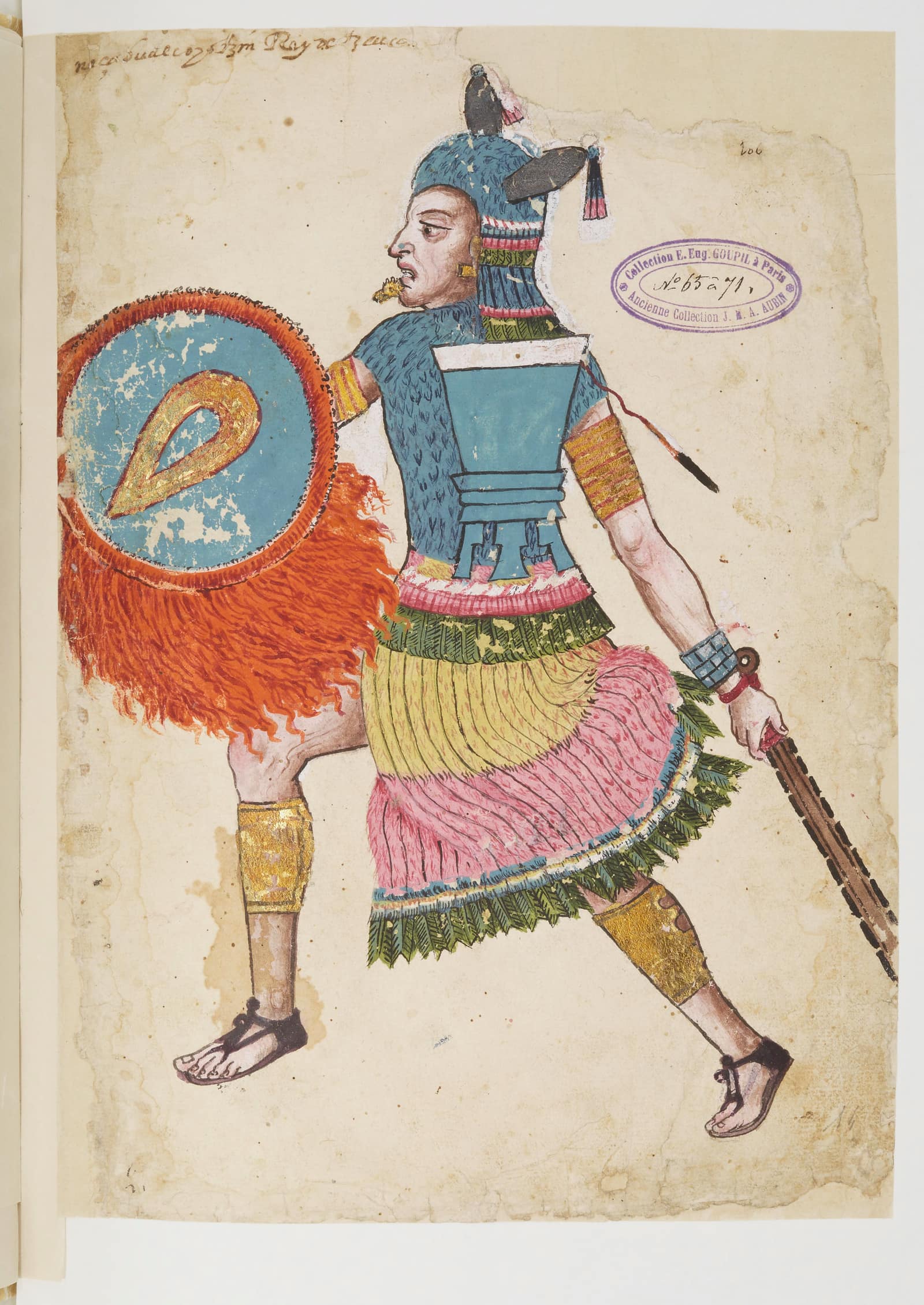
A painted manuscript page, stained and worn at the edges: a man in profile strides to the left, dressed as a warrior in a blue feathered tunic with a pink, yellow and green feathered skirt, gold bands on his arms and shins, a gold lip plug, holding a round blue shield fringed with red feathers and a wooden club edged with dark blades. A short handwritten caption runs across the top, and a purple library stamp is printed at upper right.Image not loaded · data saverThe image could not be loaded.Image not saved on this deviceRH-0121

1431 to 1582

Only a little while here: the songs of Nezahualcóyotl

Texcoco, State of Mexico, Mexico · Americas
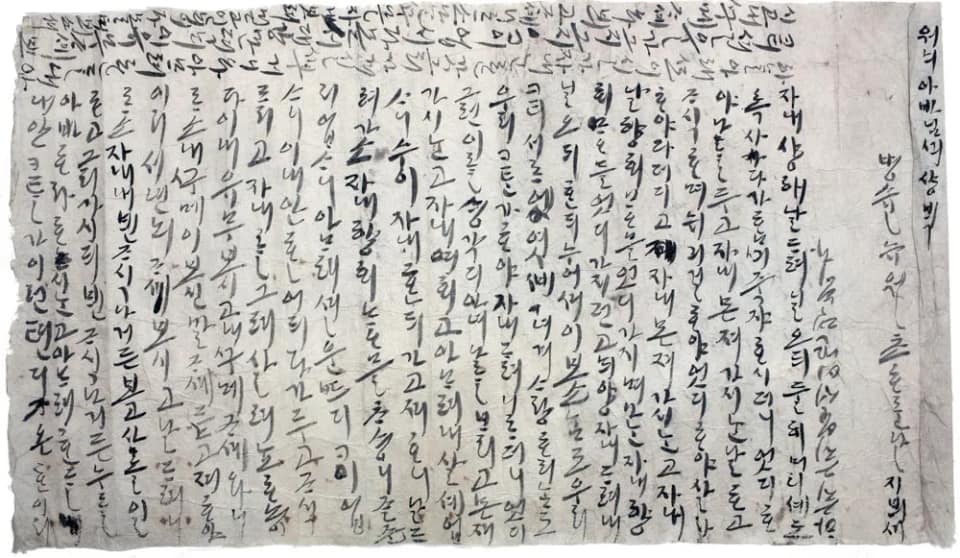
A wide sheet of pale, creased paper, stained and worn at the edges, covered with close vertical columns of Korean hangeul brushed in black ink; the columns run from right to left, and when the writer reached the left edge she turned the sheet and filled the top margin with smaller lines written in the other direction.Image not loaded · data saverThe image could not be loaded.Image not saved on this deviceRH-0118

1586

Won-i's mother: a letter to a husband in his grave

Jeongsang-dong, Andong, North Gyeongsang Province, South Korea · Asia
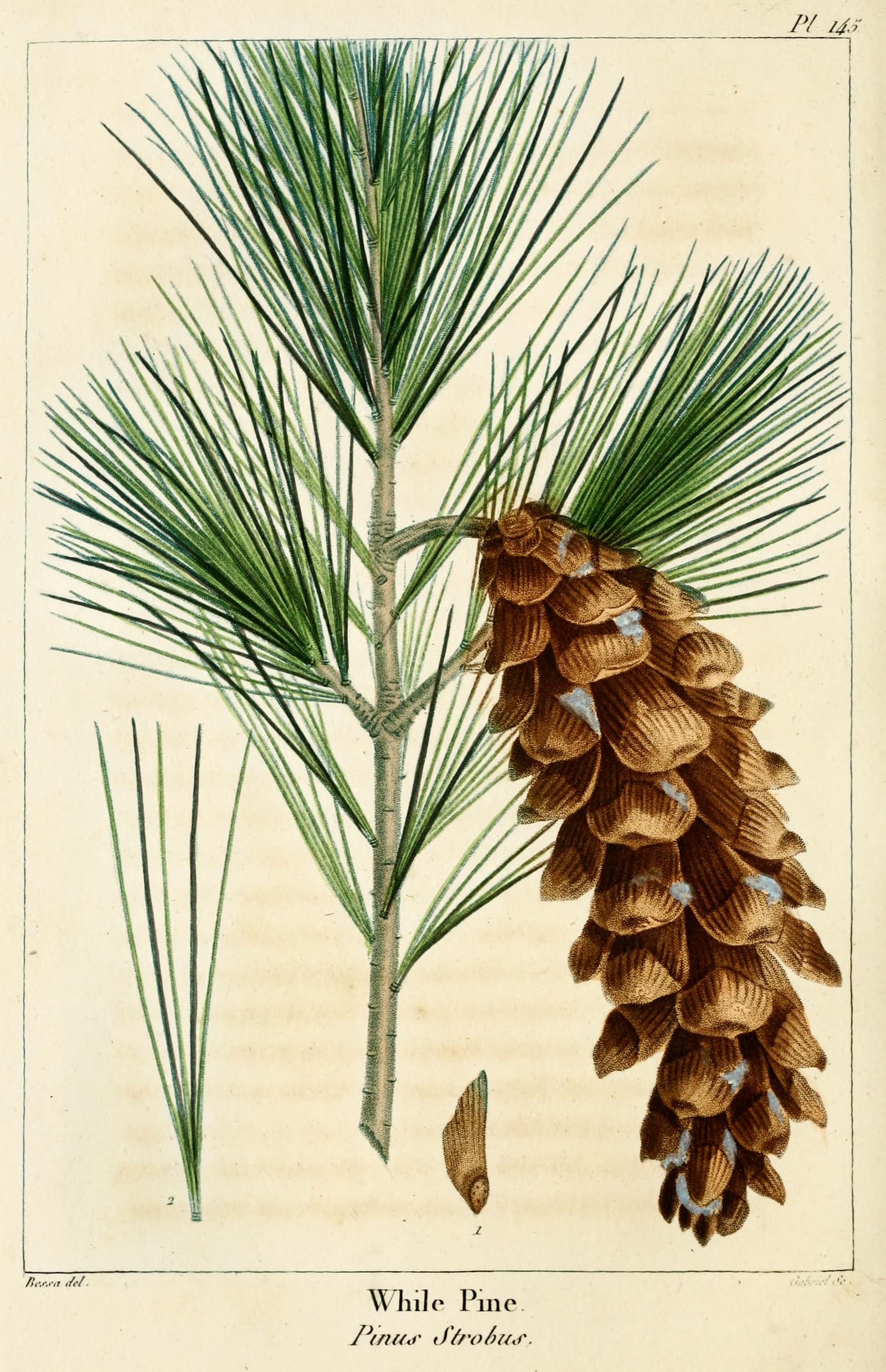
A hand-coloured engraving on cream paper: a branch of eastern white pine with long, slender blue-green needles in loose tufts, beside a long brown cone with curved scales; below are a separate bundle of needles and a single winged seed, and an engraved caption names the white pine, Pinus strobus. No wampum belt is shown here: this is the tree the Great Law names as the Tree of Peace.Image not loaded · data saverThe image could not be loaded.Image not saved on this deviceRH-0144

before 1600

The Great Law of Peace: words woven into wampum

Onondaga Nation territory, south of Syracuse, New York, United States · Americas
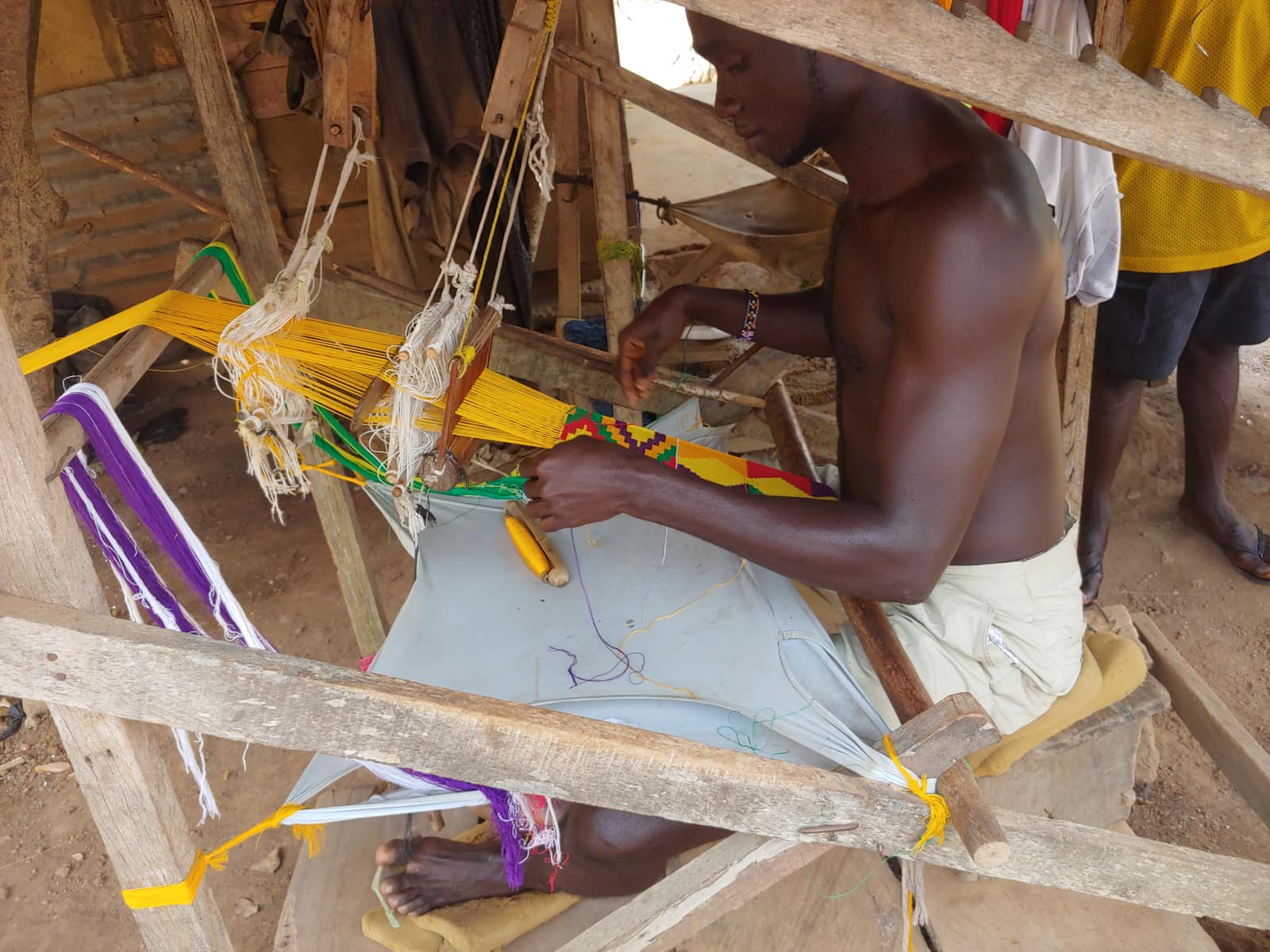
A young man, bare-chested, sits at a wooden loom under a shelter of rough poles and corrugated iron, his eyes on his hands. In front of him a narrow band of cloth, no wider than his palm, is taking shape in yellow, green, purple and red zigzags; hundreds of taut yellow, green and purple threads run away from it to the back of the loom, through string heddles hanging from the frame, and a yellow shuttle lies on the cloth stretched across his lap. One of his bare feet shows at the bottom of the frame.Image not loaded · data saverThe image could not be loaded.Image not saved on this deviceRH-0129

1800 to 2019

Adwinasa: the kente of a weaver who used every pattern he knew

Bonwire, Ashanti Region, Ghana · Africa
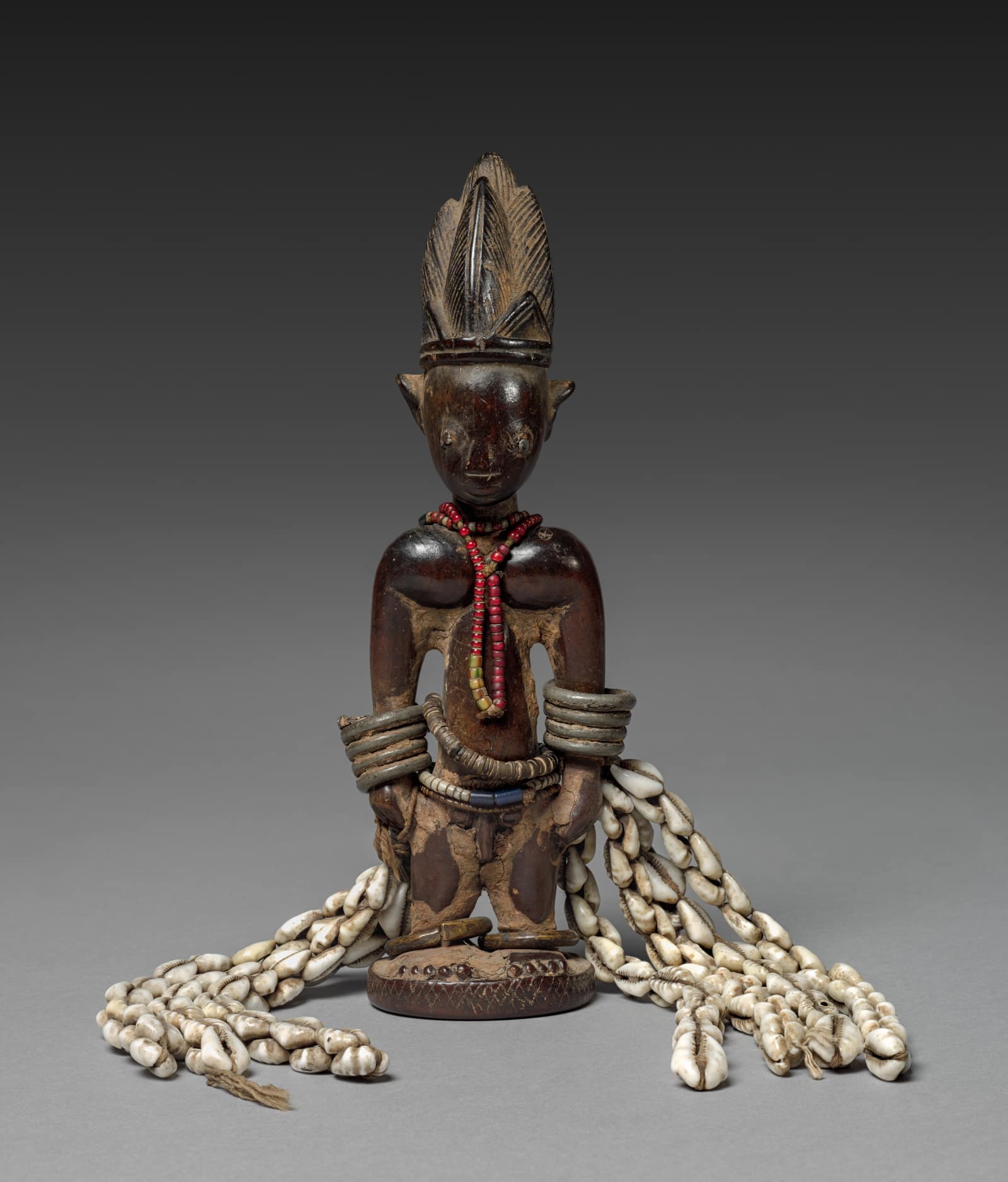
A small standing wooden figure on a round base, photographed against a grey background: an adult with a tall, crested hairstyle and a narrow face whose eyes, nose and mouth are worn almost smooth. The dark, polished body has pale patches where the surface has rubbed away. It wears a necklace of red beads, stacked metal rings on both arms and a beaded waistband, and long strands of white cowrie shells hang from its waist down to the ground on either side.Image not loaded · data saverThe image could not be loaded.Image not saved on this deviceRH-0127

1875 to 1925

Ère ìbejì: a figure for a twin who died

Southwestern Nigeria · Africa
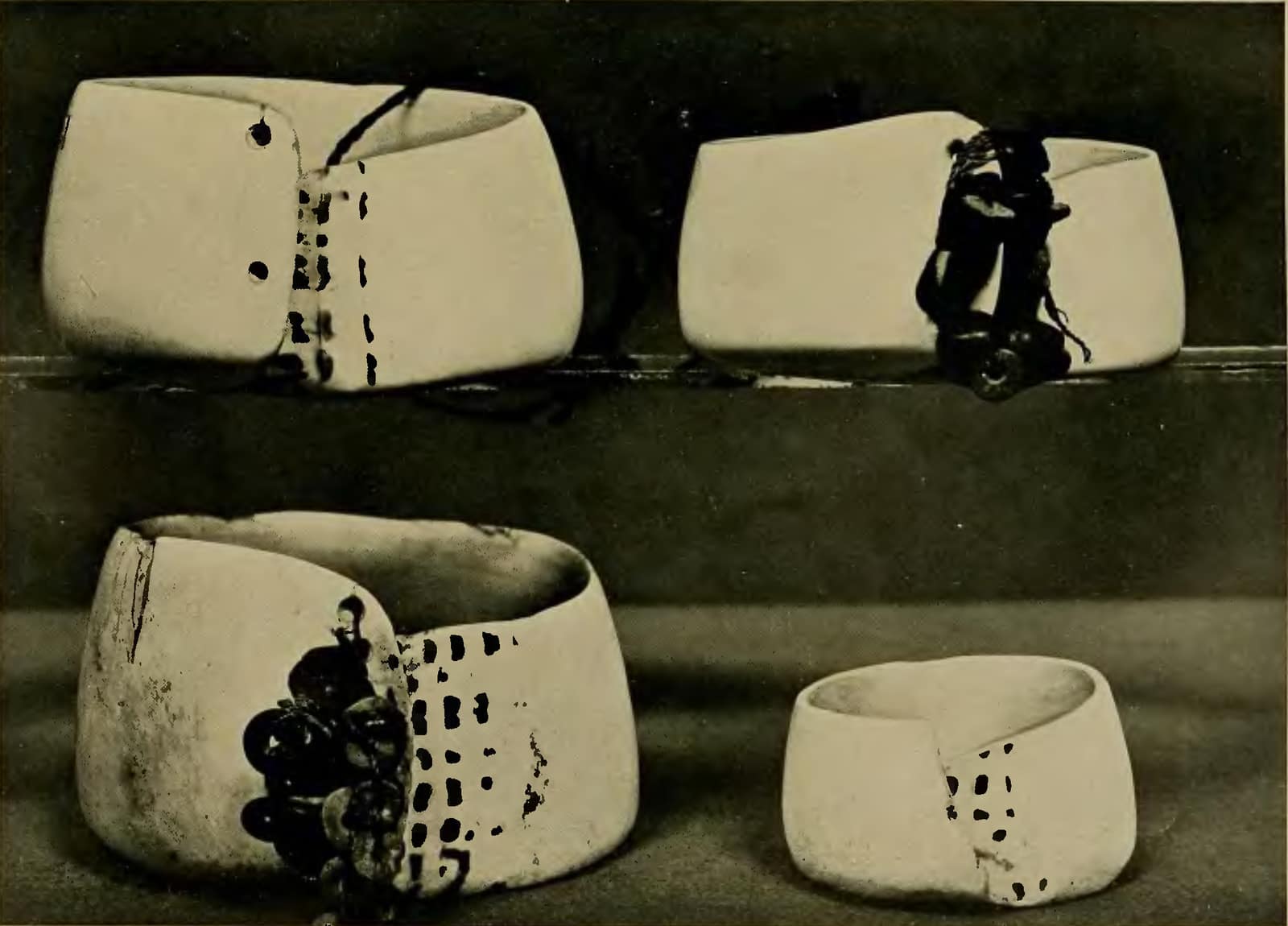
A black-and-white photograph of four armshells cut from large white cone shells, two on an upper shelf and two below, each a thick, smooth ring with an open, overlapping edge marked by a column of small dark spots; two of them carry dangling bunches of small shells or seeds tied with cord. This is plate XVI of Malinowski's Argonauts of the Western Pacific, 1922.Image not loaded · data saverThe image could not be loaded.Image not saved on this deviceRH-0134

1915 to 1918

The kula: to own a thing is to give it

Trobriand Islands, Milne Bay Province, Papua New Guinea · Oceania
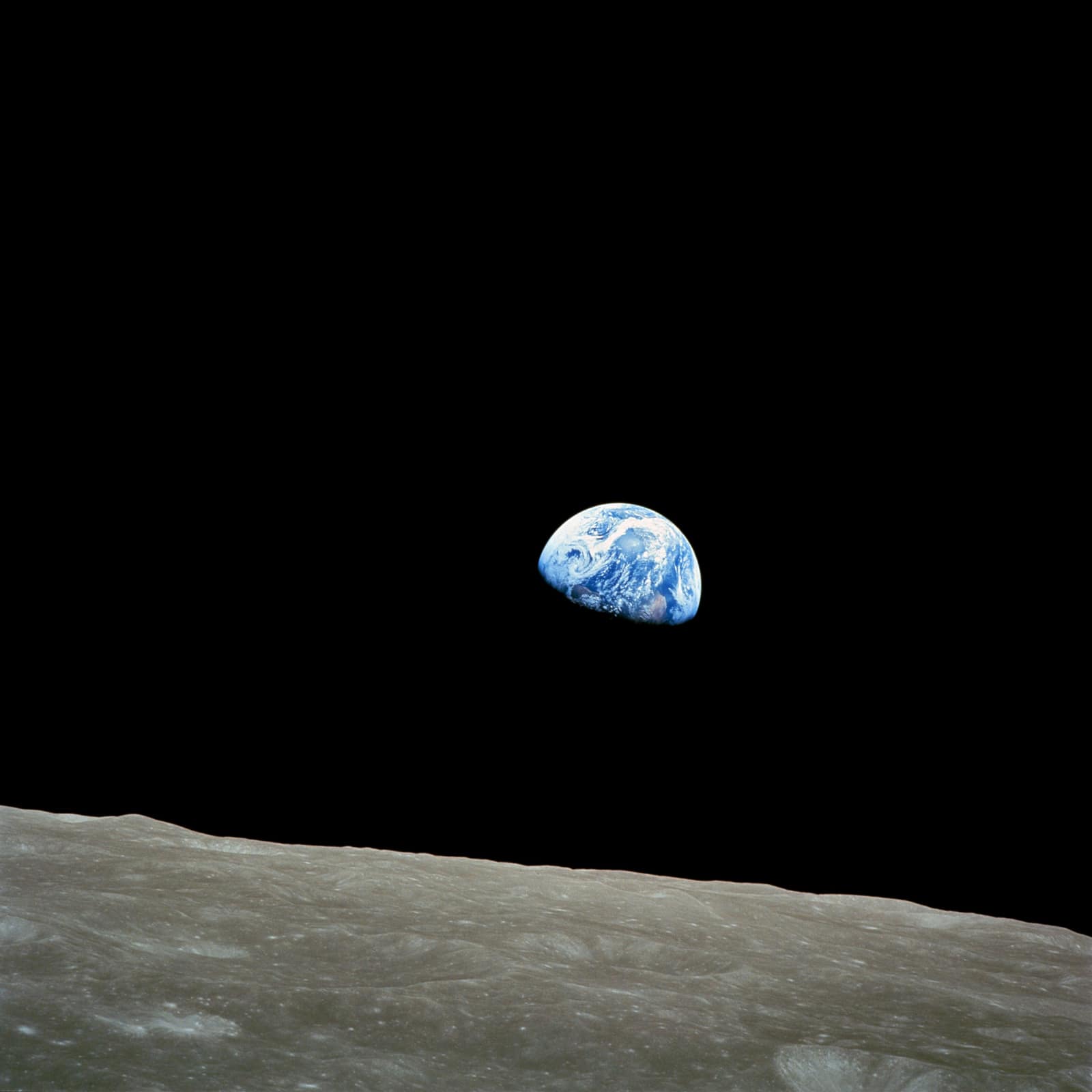
Colour photograph: above a grey, cratered lunar horizon in the foreground, a half lit Earth hangs in a completely black sky, blue oceans streaked with white cloud, its lower half lost in shadow.Image not loaded · data saverThe image could not be loaded.Image not saved on this deviceRH-0081

1968

Earthrise

Lunar orbit, above the eastern limb of the Moon's far side · Americas
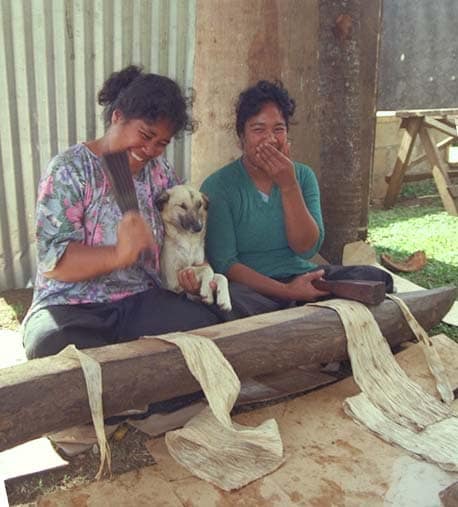
Two Tongan women sit on the ground behind a long, worn wooden log used as an anvil, both laughing; the woman on the left holds a puppy against her and a dark wooden mallet, the woman on the right covers her mouth with one hand and rests the other on a second mallet. Pale, ribbed strips of freshly beaten bark hang over the log to the ground. Behind them are a corrugated iron wall and a tree trunk. This is a scene of barkcloth beating in Tonga in 1987, not the making of the ngatu held at Te Papa.Image not loaded · data saverThe image could not be loaded.Image not saved on this deviceRH-0133

c. 2010

A ngatu for a first birthday, and for a farewell

Ha'alaufuli, Vava'u, Tonga · Oceania