The Royal Game of Ur, and the guards who played it
- Dated
- Place
- Tell al-Muqayyar, Dhi Qar Governorate, Iraq · Sumerian city of Ur in the Early Dynastic period, and its players across two thousand years of Mesopotamia
- Coordinates
- 30° 58′ N · 46° 06′ E (approximate)
- Remains
- Fragmentary
BabelStone, CC0, via Wikimedia CommonsCC0-1.0Original record
Data saver is on. Images load only when you ask. You can change this in Settings at any time.
From the archivist
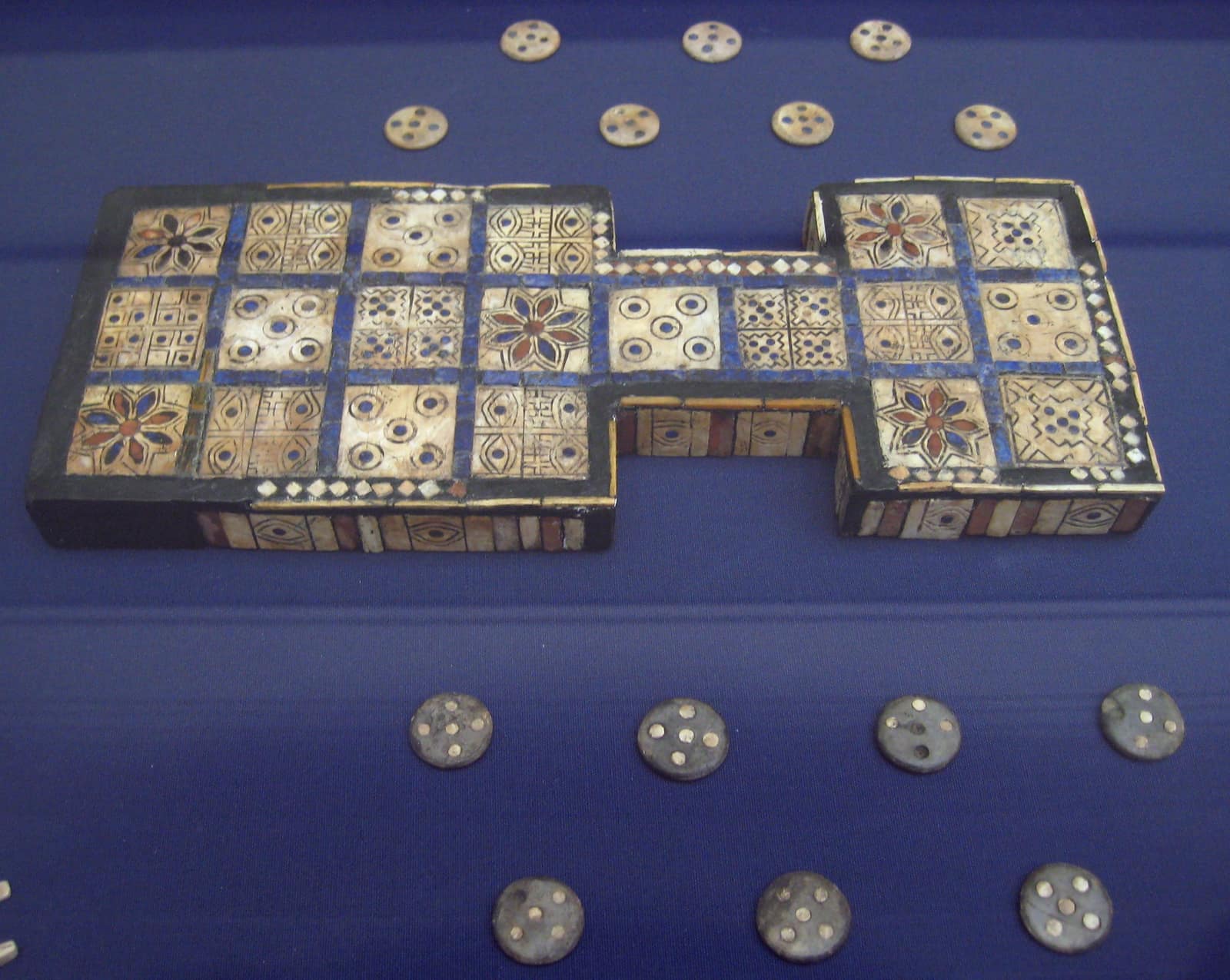
This civilization played. In a grave at Ur, around 2600 BCE, someone was laid to rest with a board of twenty squares, its shell faces set with rosettes and eyes, a hollow box that held the pieces and the dice. The archaeologist who found it poured hot wax over it square by square, so that nothing would slide.
The game outlived the city's kings. Nineteen centuries later, at the gate of an Assyrian citadel, a stone bull taller than two men guarded the passage against evil. Between its hooves, someone scratched the same grid into the gypsum, rough and uneven, the way one draws a board when there is nothing else to do and a long watch ahead.
Much later again, in Babylon, a scribe named Itti-Marduk-balatu copied the rules onto clay and signed his name. The pieces had become birds. The swallow, the raven, the eagle ran along the track, and landing on a rosette meant luck: food enough, fine beer, meat. On the grid drawn on the other face, one square promises: you will find a friend.
We do not know every rule. We know the gesture: two people leaning over a board, one of them about to win.
Established
- The board, of wood faced with shell squares, set with red and blue inlays and framed with strips of lapis lazuli, was excavated by Leonard Woolley in the Royal Cemetery of Ur and dates to about 2600 to 2400 BCE; it was originally a hollow box that held its pieces and dice (British Museum).
- Woolley found it face up, its inlay collapsed into the space left by the rotted wood, and lifted it a square at a time under poured hot wax (British Museum).
- Its twenty squares belong to the game of twenty squares, played from Iran to the Levant from the middle of the third to the middle of the first millennium BCE (Dunn-Vaturi, Metropolitan Museum of Art).
- A gameboard is incised between the hooves of a winged bull from Gate B of the citadel wall at Khorsabad, carved under Sargon II, 710 to 705 BCE (British Museum 1850,1228.4).
- A clay tablet copied in Babylon in 177 or 176 BCE by the scribe Itti-Marduk-balatu, and bought by the British Museum from a dealer shortly after it was dug up in Babylon around 1880 CE, was identified by Irving Finkel as the oldest known rules for a board game (Finkel 2007).
- The tablet names five pieces after birds (Swallow, Storm-bird, Raven, Rooster, Eagle), moves them with an ox and a sheep knucklebone, and ties landing on a rosette to fortunes such as enough food, fine beer or meat for the player; the grid on its other face carries short omens such as "you will find a friend" (Finkel 2007).
Interpretation
How the game was played at Ur itself is not known: Finkel's reconstruction rests on a tablet written some two thousand years after the Ur boards, and on the assumption that its grid is the same twenty-square track. His reading of the rules as a race that was also a betting game, with tokens won and lost, is a hypothesis. That the scratched boards at Khorsabad were made by guards passing the time is a strong inference from where they are, at the foot of gate sculptures, not a recorded fact. The British Museum suggests the game may have come from the Indus valley; its origins are uncertain.
Looking ahead
A hundred years from now, which of our games will anyone still know how to play, and who will teach them?
Sources (4)
- British Museum. Game-board, Royal Cemetery, Ur, 2600-2400 BC, registration number 1928,1009.378 (BM 120834), collection online notice (archived 5 December 2023). · web.archive.org
- British Museum. Winged bull (lamassu) from Gate B of the citadel wall at Khorsabad, reign of Sargon II, 710-705 BC, registration number 1850,1228.4, collection online notice (archived 24 April 2026). · web.archive.org
- Finkel, I. L. On the Rules for the Royal Game of Ur. In Finkel, I. L. (ed.), Ancient Board Games in Perspective. London, British Museum Press, 2007, p. 16-32.
- Dunn-Vaturi, A. Twenty Squares: An Ancient Board Game. The Metropolitan Museum of Art, Assyria to Iberia exhibition blog, 9 December 2014. · www.metmuseum.org
Related fragments
3300 to 2900 BCE
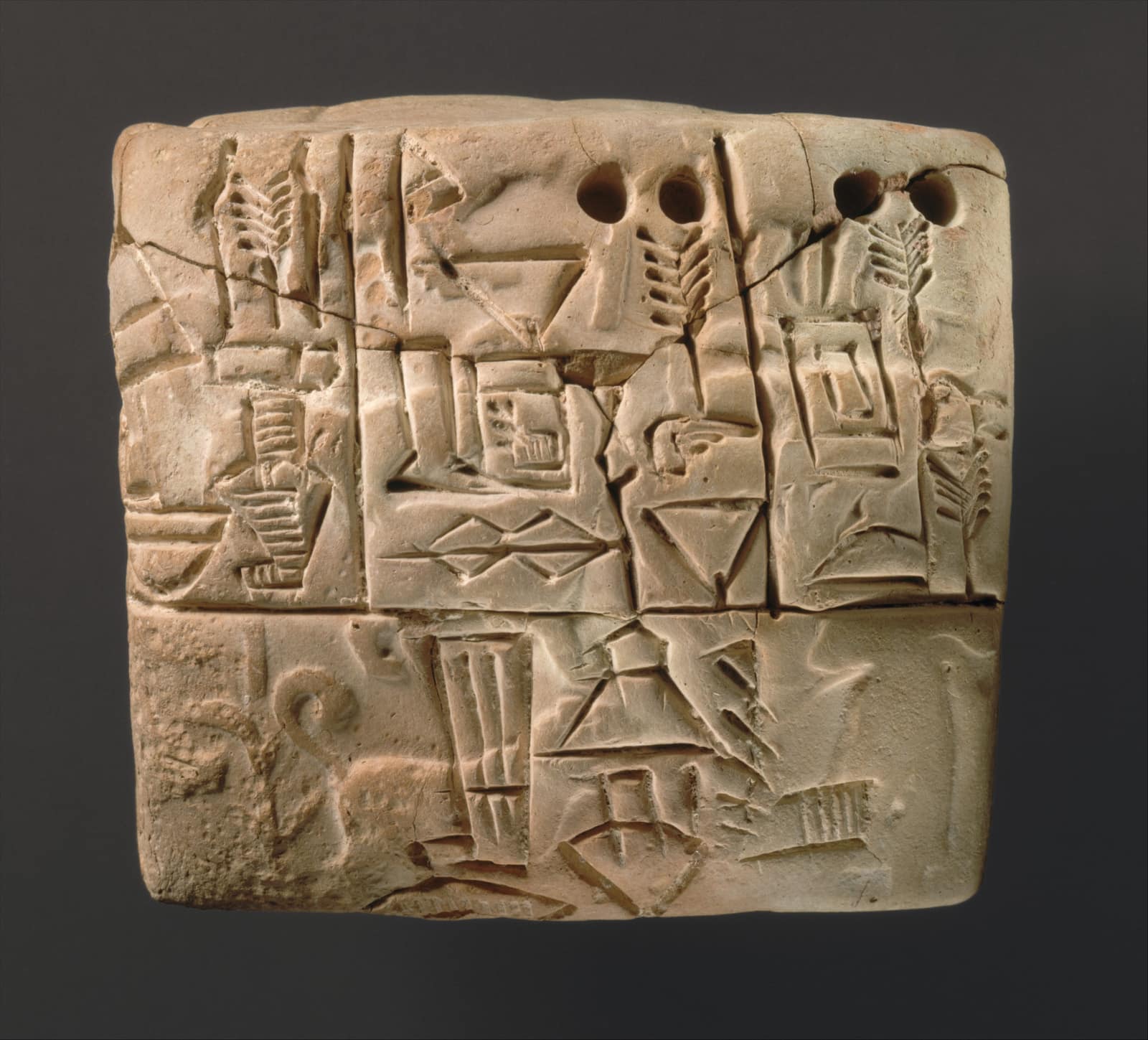
The first writing: proto-cuneiform tablets of Uruk
Warka, Al-Muthanna Governorate, Iraq · Asia
2016
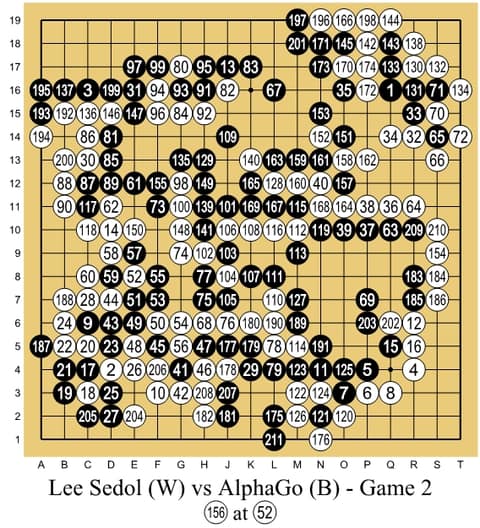
AlphaGo and Lee Sedol
Seoul, Republic of Korea · Asia
1997
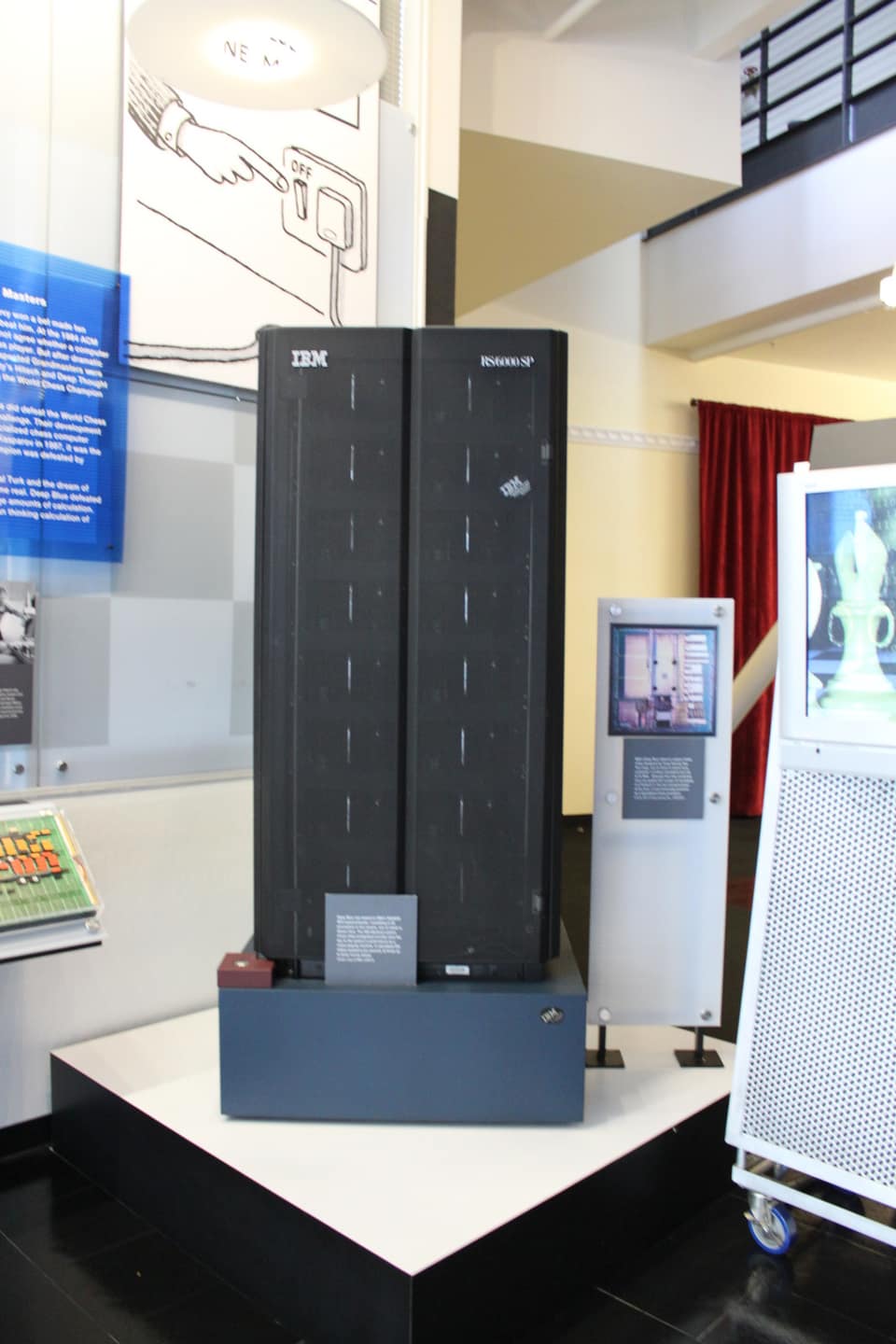
Deep Blue and Kasparov
Equitable Center, 787 Seventh Avenue, New York, United States · Americas