Skip to content
Stela
ENFR

Halls

We built IWe discovered IIWe imagined IIIWe changed the world IVWhat we lost VWhat we leave behind VI

Explore

TimelineMapJourneysSearch the archive

Language

Français

Settings

I

Hall I

We built

From the archivist

They shaped stone before they shaped words. Then walls, then cities, then machines that shaped the world in turn. This hall keeps what their hands raised, and what still stands.

28 fragments in this hall · Africa 10 · Asia 4 · Europe 4 · Americas 6 · Oceania 4
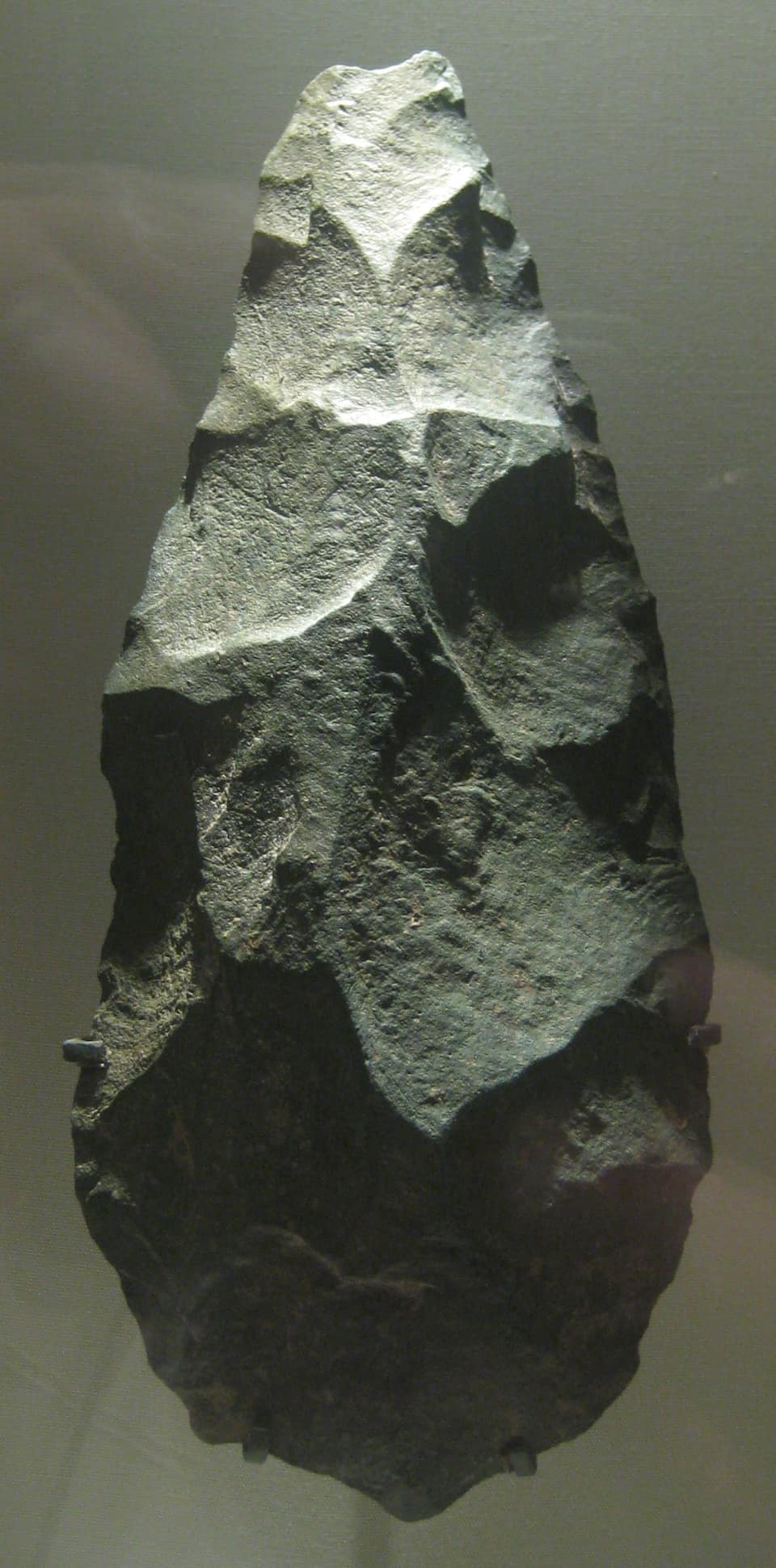
A dark grey-green stone tool shaped like a long teardrop, seen from one face against a grey background; broad, shallow scars left by removed flakes cover its surface and meet along a sharp outline.Image not loaded · data saverThe image could not be loaded.Image not saved on this deviceRH-0002

c. 1.4 million years ago

A handaxe from Olduvai Gorge

Olduvai Gorge, Ngorongoro Conservation Area, Tanzania · Africa
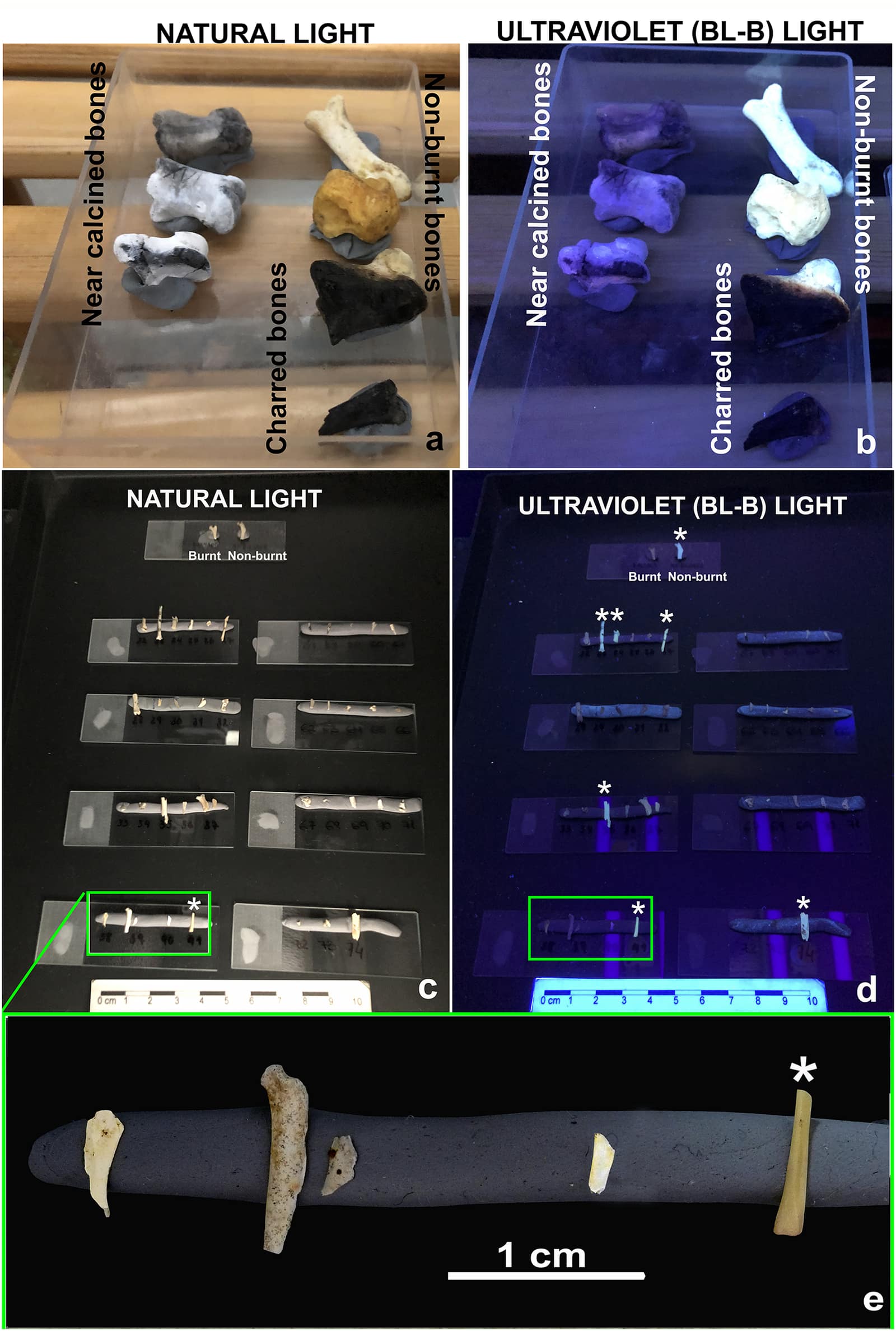
Laboratory photographs in five panels. At the top, modern experimental bones burnt to black and chalky white sit beside unburnt yellow ones, first under natural light and then under violet ultraviolet light. Below, tiny fossil bones of small mammals from Wonderwerk Cave are lined up on grey strips on glass slides; under ultraviolet light the burnt ones turn dark while a few unburnt ones, marked with asterisks, glow. A close up shows one strip with a one centimetre scale bar.Image not loaded · data saverThe image could not be loaded.Image not saved on this deviceRH-0013

c. 1 million years ago

Early fire at Wonderwerk Cave

Between Danielskuil and Kuruman, Northern Cape, South Africa · Africa
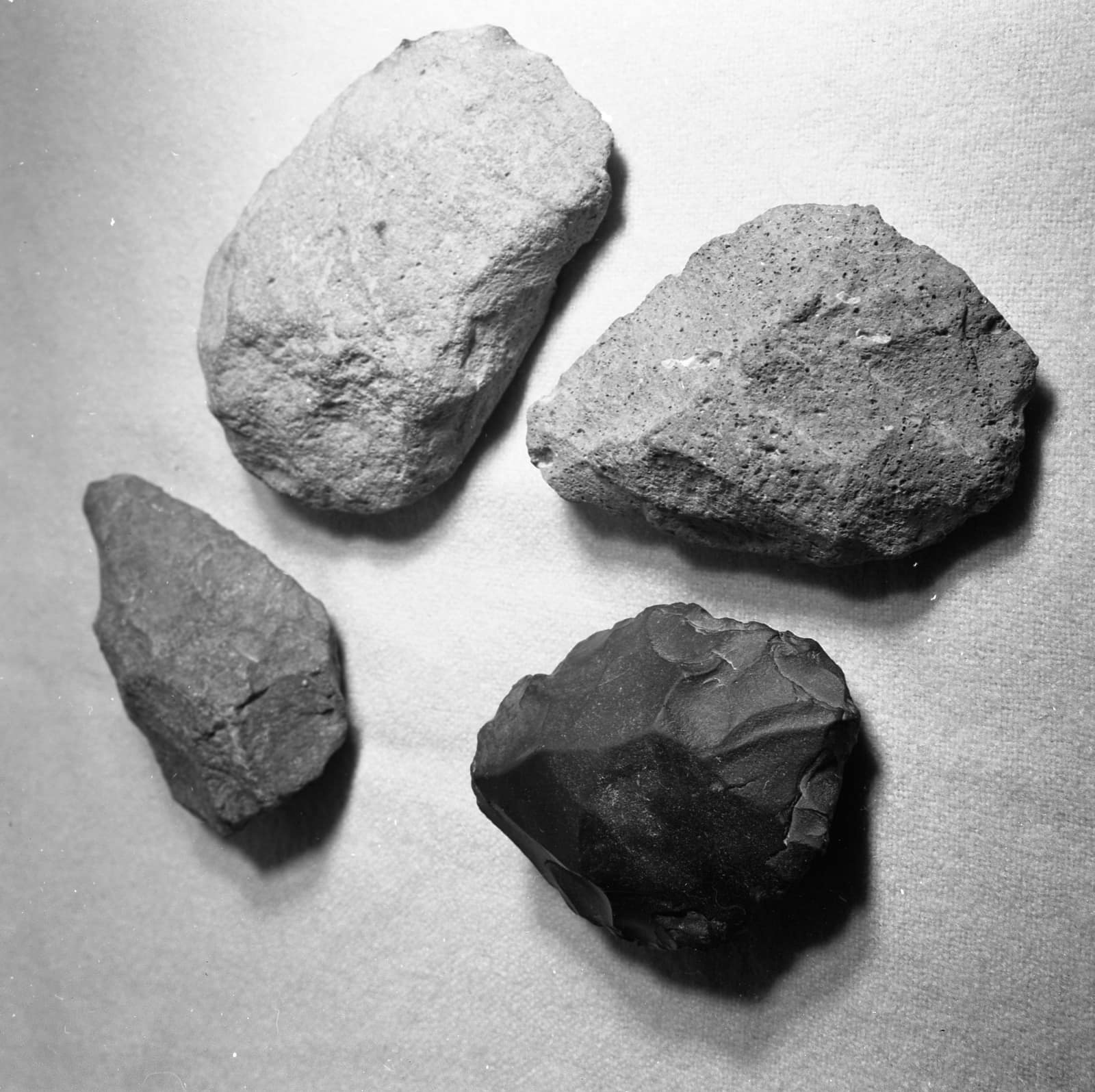
Black and white photograph from 1959: four roughly worked stones lie on a pale cloth, two light and pitted, one smaller and grey, one dark with sharp flake scars, recorded among archaeological finds from Gesher Benot Ya'aqov.Image not loaded · data saverThe image could not be loaded.Image not saved on this deviceRH-0026

c. 780,000 years ago

The hearths of Gesher Benot Ya'aqov

Banks of the Jordan River near the Bnot Ya'akov Bridge, northern Israel · Asia
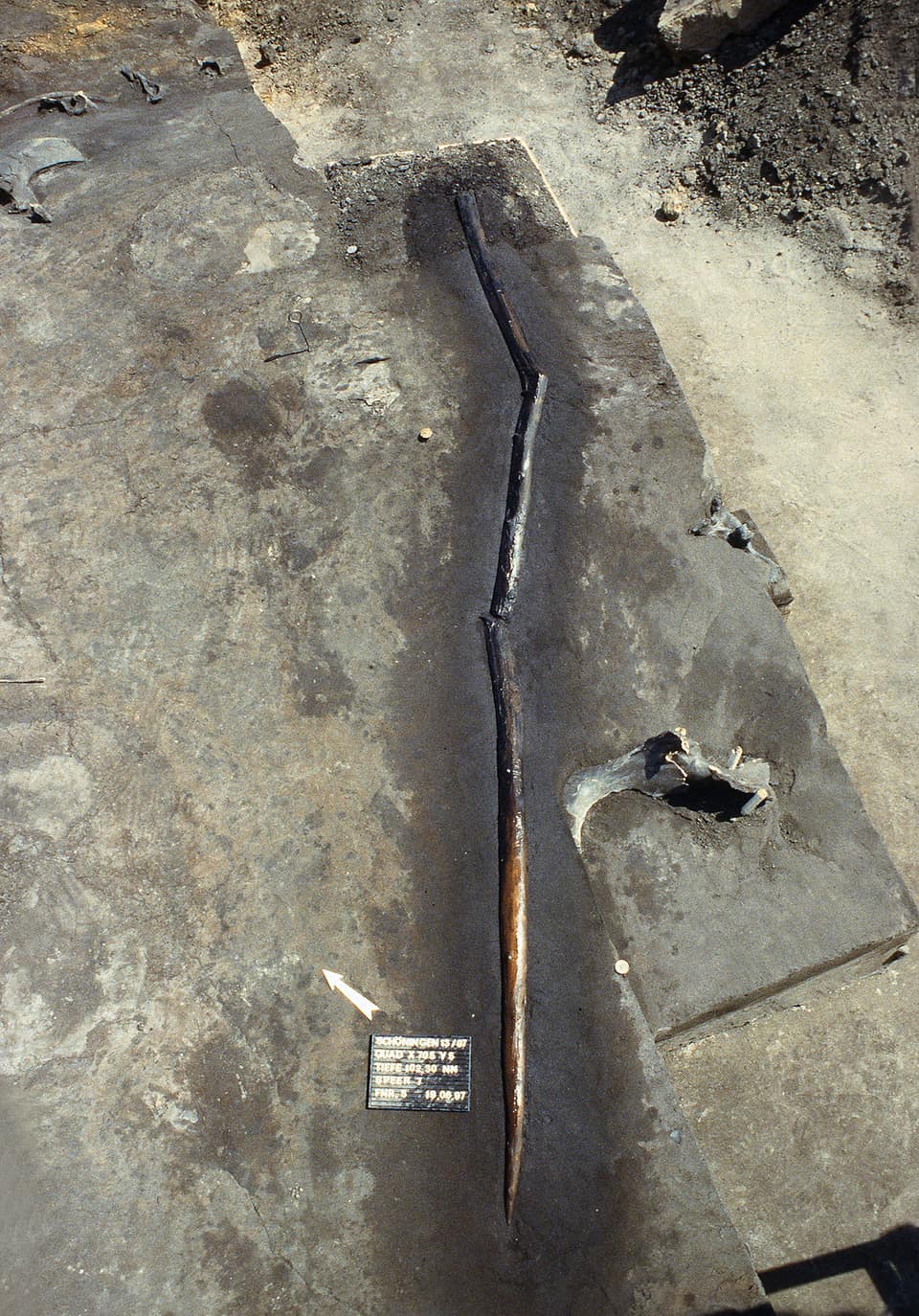
A long, thin wooden spear lying where it was found, dark brown and slightly curved, pressed into grey lake sediment on the floor of an excavation, with a small white label card beside its lower end.Image not loaded · data saverThe image could not be loaded.Image not saved on this deviceRH-0038

c. 300,000 years ago

The Schöningen spears

Schöningen, Lower Saxony, Germany · Europe
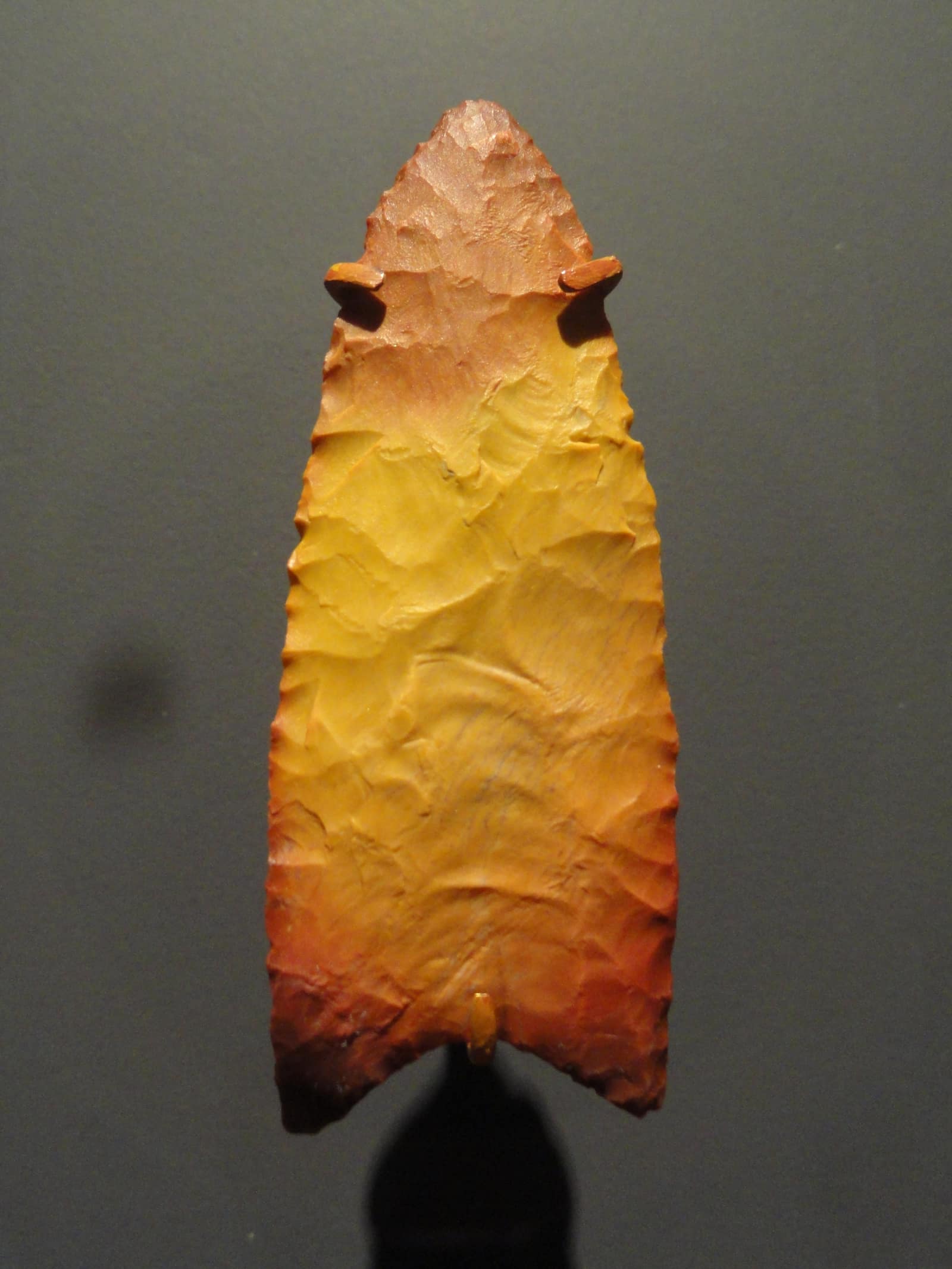
A single stone spear point, long and leaf shaped, standing upright against a dark grey background: yellow chert shading to orange and red at the tip and base, its faces covered with shallow scars where flakes were struck off, its edges finely serrated and its base concave, with a shallow channel running up from the base.Image not loaded · data saverThe image could not be loaded.Image not saved on this deviceRH-0049

c. 13,000 years ago

A Clovis point

Sevier County, Utah, United States · Americas
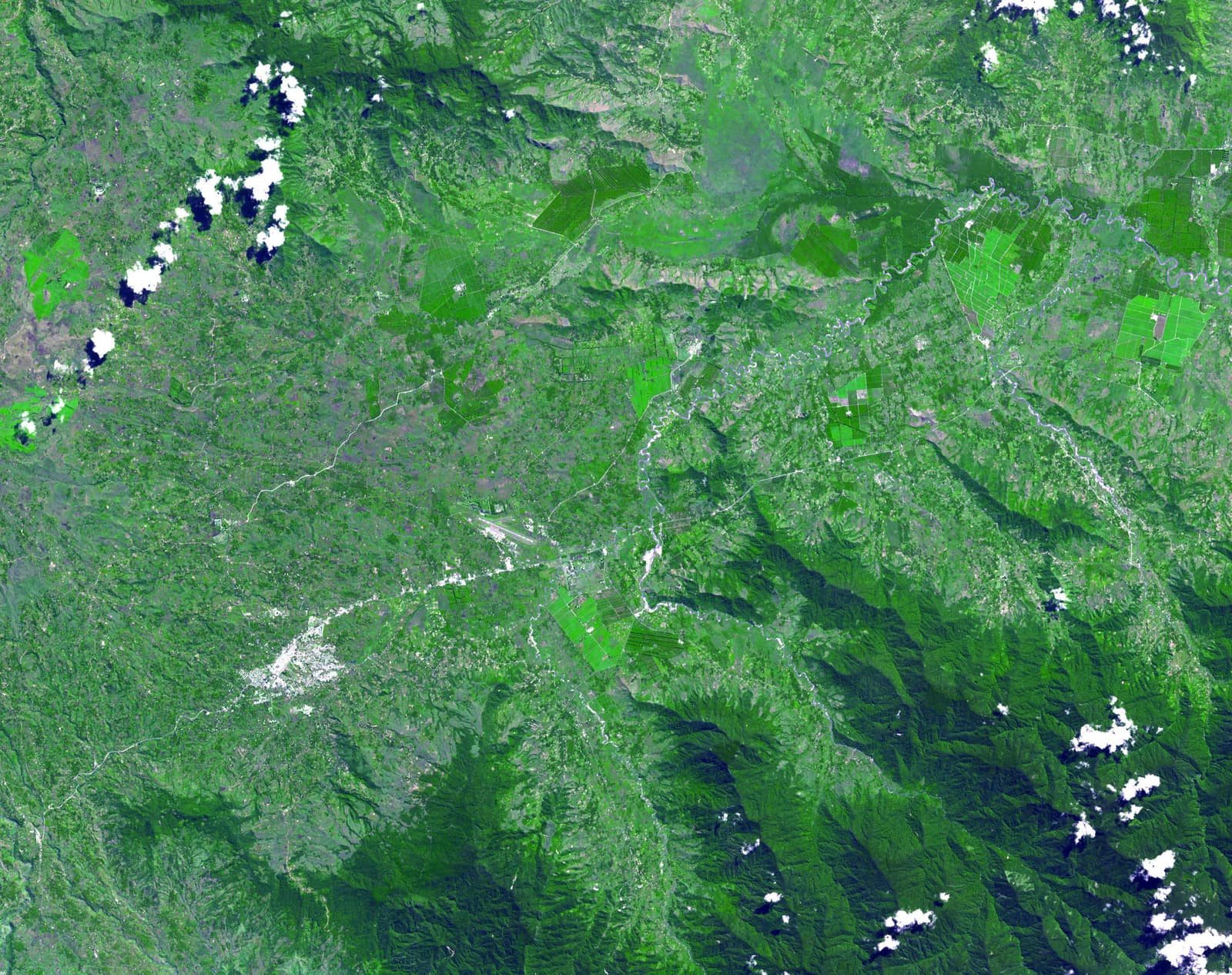
A satellite view of a green highland valley in false colour: forested ridges and folded mountains frame a broad valley floor patterned with small fields, bright rectangular plantations, winding rivers, a pale patch of town and an airstrip, with a few white clouds and their shadows at the edges.Image not loaded · data saverThe image could not be loaded.Image not saved on this deviceRH-0053

8200 to 2000 BCE

Kuk Swamp

Near Mount Hagen, Western Highlands Province, Papua New Guinea · Oceania
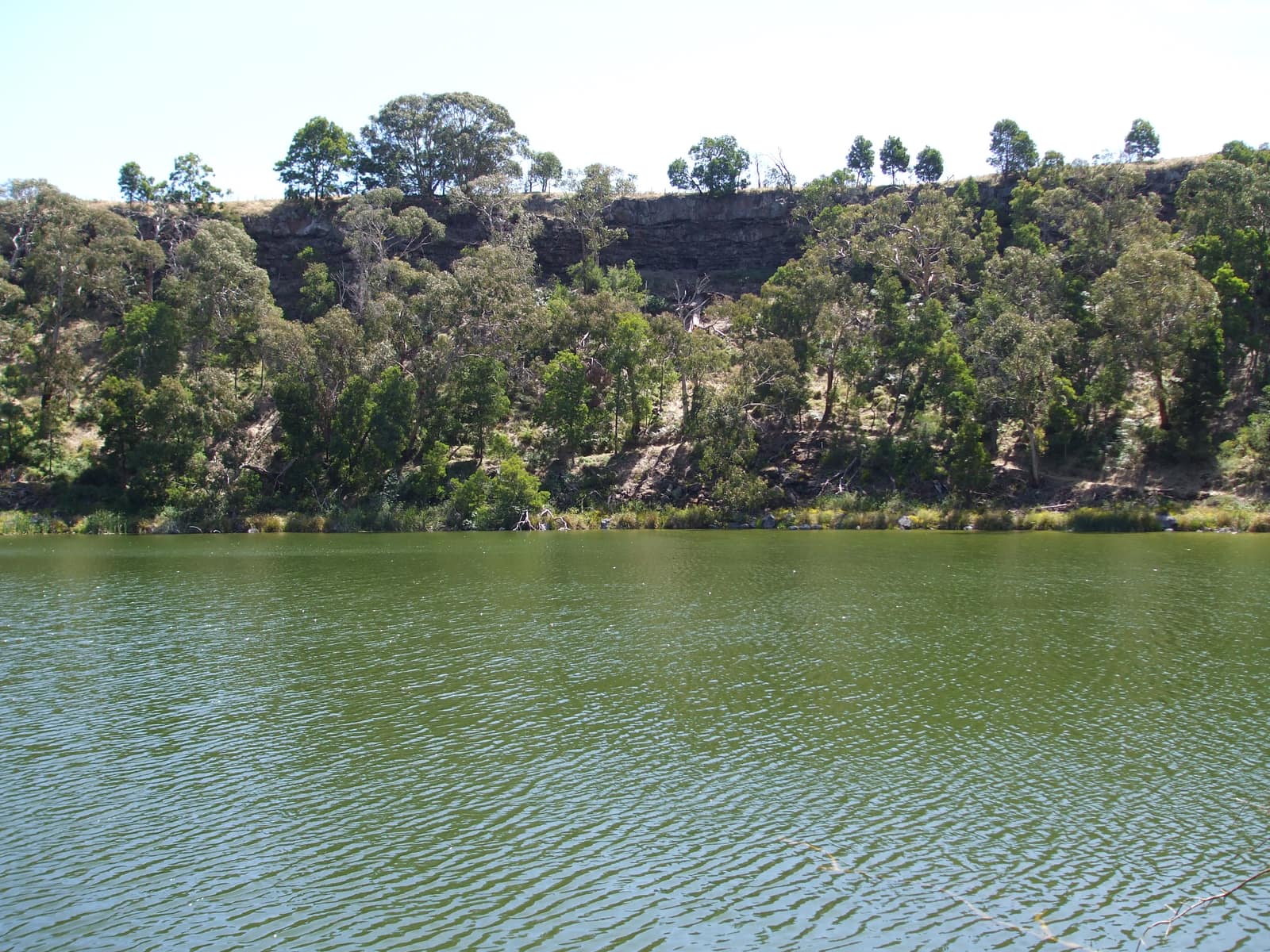
A still green lake fills the bottom of a volcanic crater; its far wall is a band of dark basalt cliff topped and fringed by gum trees and scrub, under a pale sky.Image not loaded · data saverThe image could not be loaded.Image not saved on this deviceRH-0057

before 4600 BCE

The eel traps of Budj Bim

Tae Rak (Lake Condah), Kurtonitj and Tyrendarra, south-western Victoria, Australia · Oceania
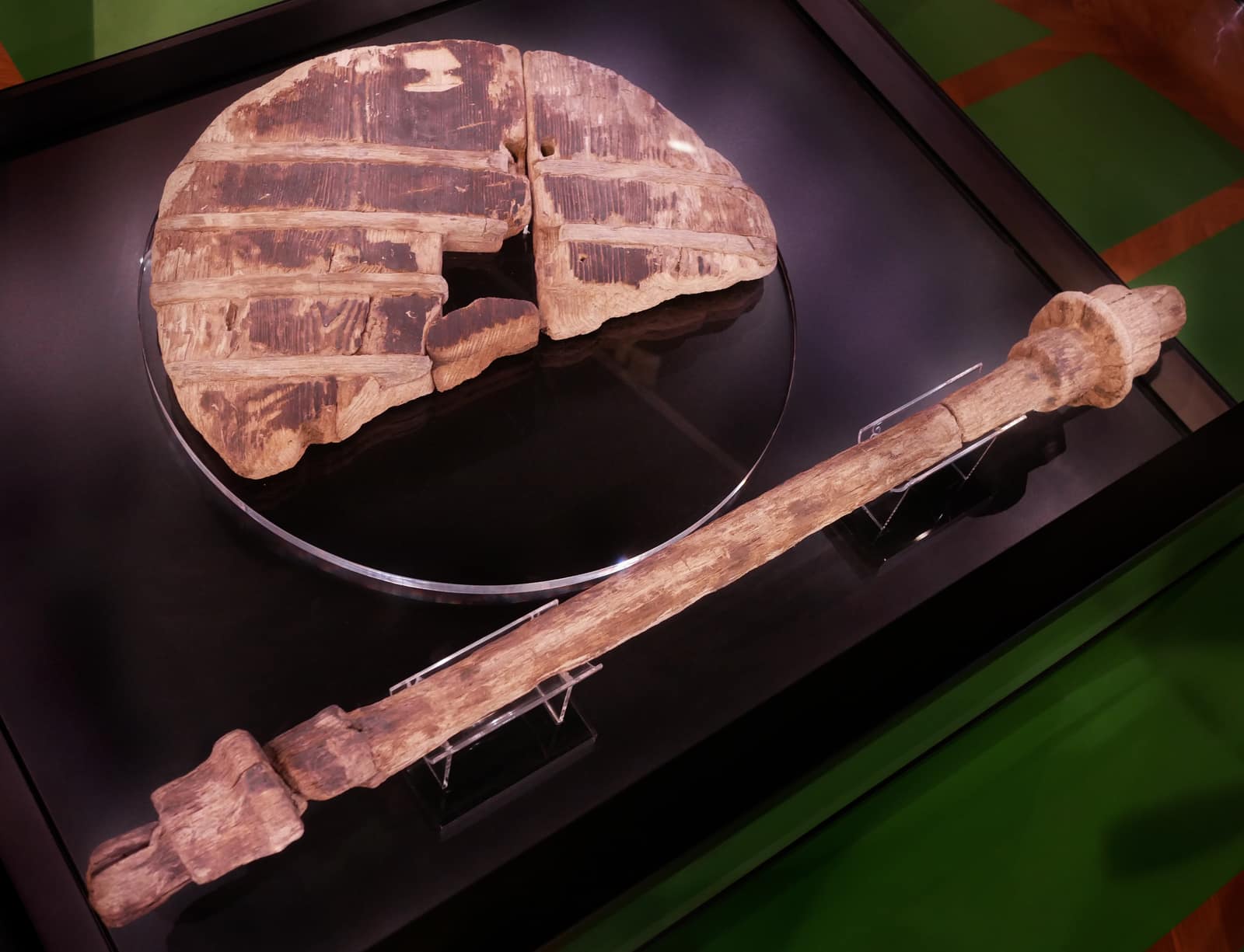
In a dark display case, a round wooden disc lies flat on a clear stand: it is made of two broad planks joined edge to edge, crossed by four darker strips where dowels were set, with a square hole at its centre and a broken chunk missing beside it. In front of it, on small clear supports, rests a long, worn wooden axle, square at both ends, its surface split and weathered.Image not loaded · data saverThe image could not be loaded.Image not saved on this deviceRH-0072

c. 3150 BCE

The wheel and axle of the Ljubljana Marshes

Stare gmajne, near Vrhnika, Ljubljana Marshes (Ljubljansko barje), Slovenia · Europe
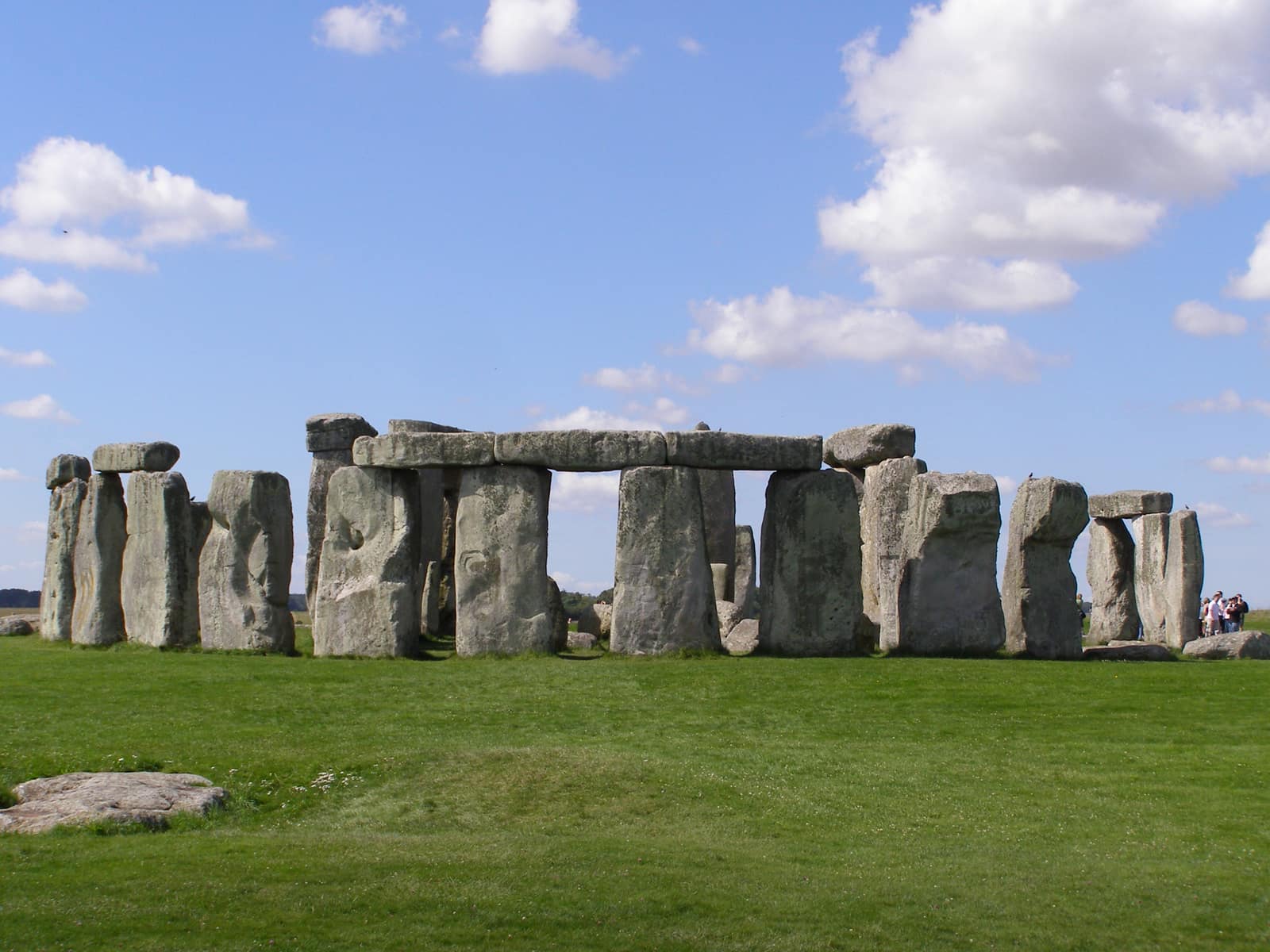
The standing stones of Stonehenge on close-cropped green grass under a bright blue sky with white clouds: a ring of massive grey, lichen-streaked uprights, several still joined by long horizontal lintels, with gaps where stones have fallen; smaller stones and a low fallen block lie in the foreground, and a group of visitors stands at the right edge.Image not loaded · data saverThe image could not be loaded.Image not saved on this deviceRH-0103

3000 to 1500 BCE

Stonehenge, stones from three horizons

Stonehenge, near Amesbury, Wiltshire, England, United Kingdom · Europe
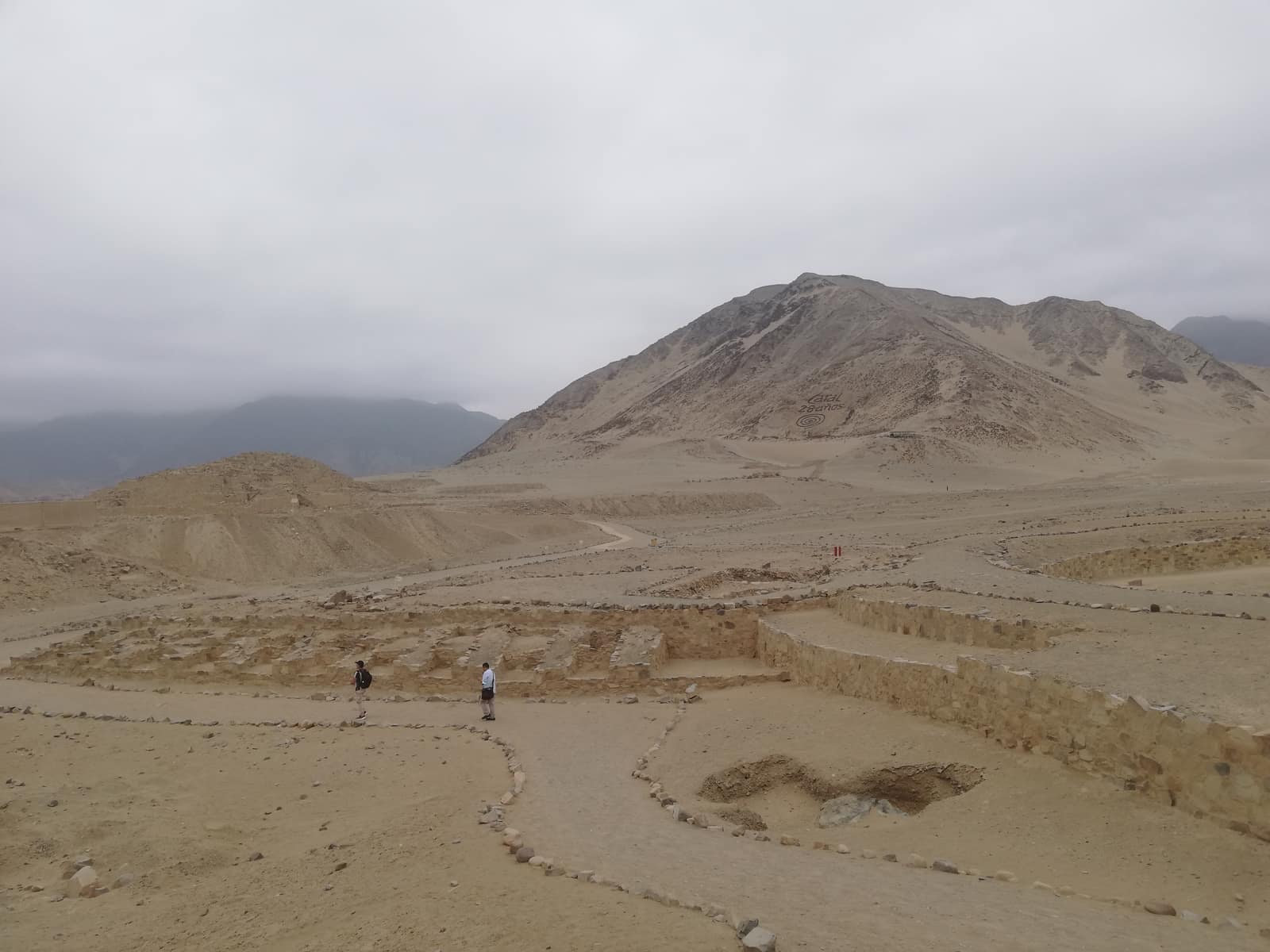
A wide, pale desert valley under a low grey sky. In the foreground, curved walls of stacked stone ring a sunken circular space with a dark pit near its middle, edged by a path lined with small stones; two visitors walk beside the low walls. Behind them rise sandy mounds, a broad bare mountain and, in the haze, a darker green ridge.Image not loaded · data saverThe image could not be loaded.Image not saved on this deviceRH-0142

2600 to 2000 BCE

Caral: thirty-two flutes laid away in the sand

Sacred City of Caral, Supe Valley, Barranca Province, Peru · Americas
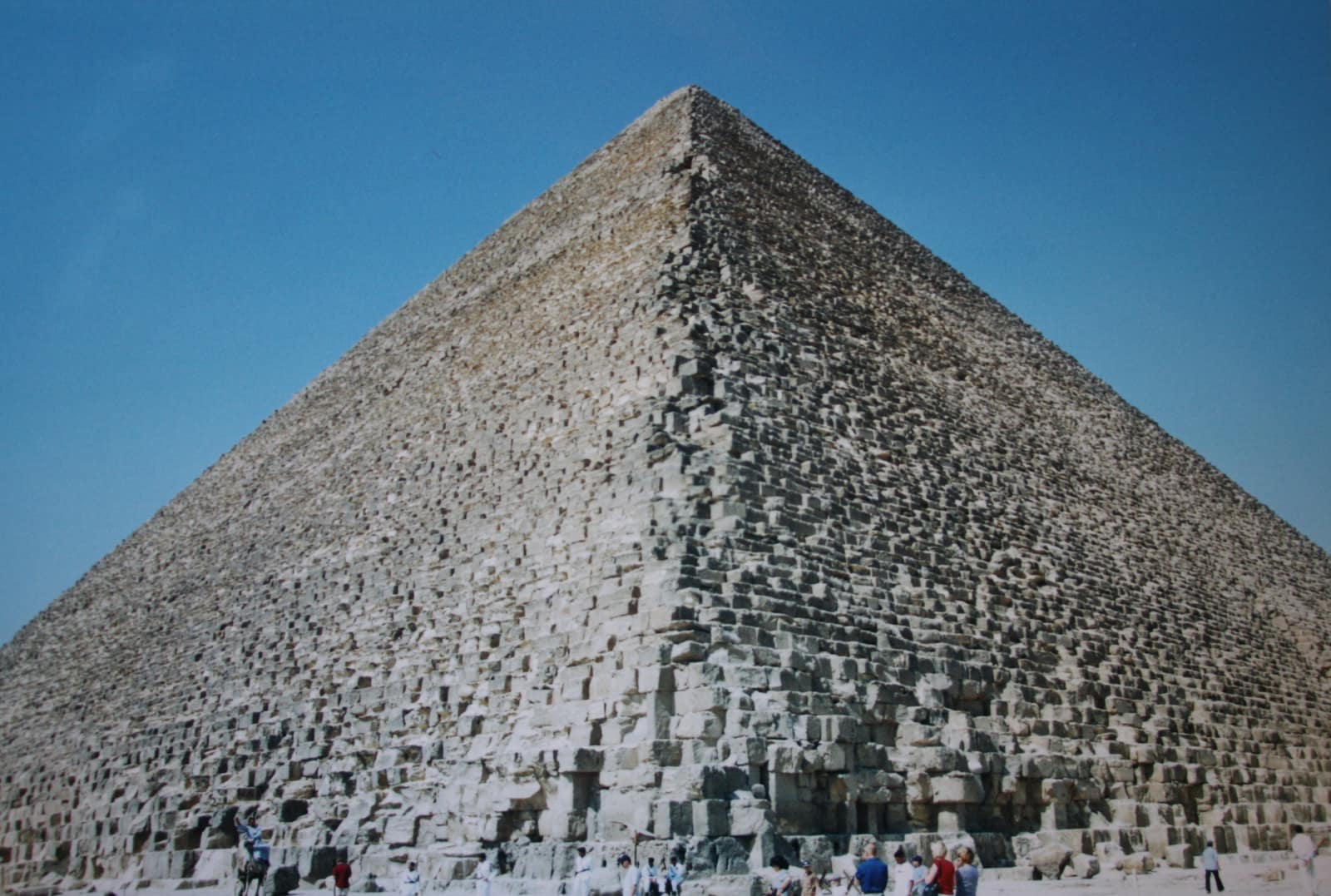
The Great Pyramid seen from close to one corner against a deep blue sky: its stepped faces of weathered, sand coloured limestone blocks rise to a point, with a scatter of tiny visitors along the base giving the scale.Image not loaded · data saverThe image could not be loaded.Image not saved on this deviceRH-0015

c. 2560 BCE

The Great Pyramid of Giza

Giza, Greater Cairo, Egypt · Africa
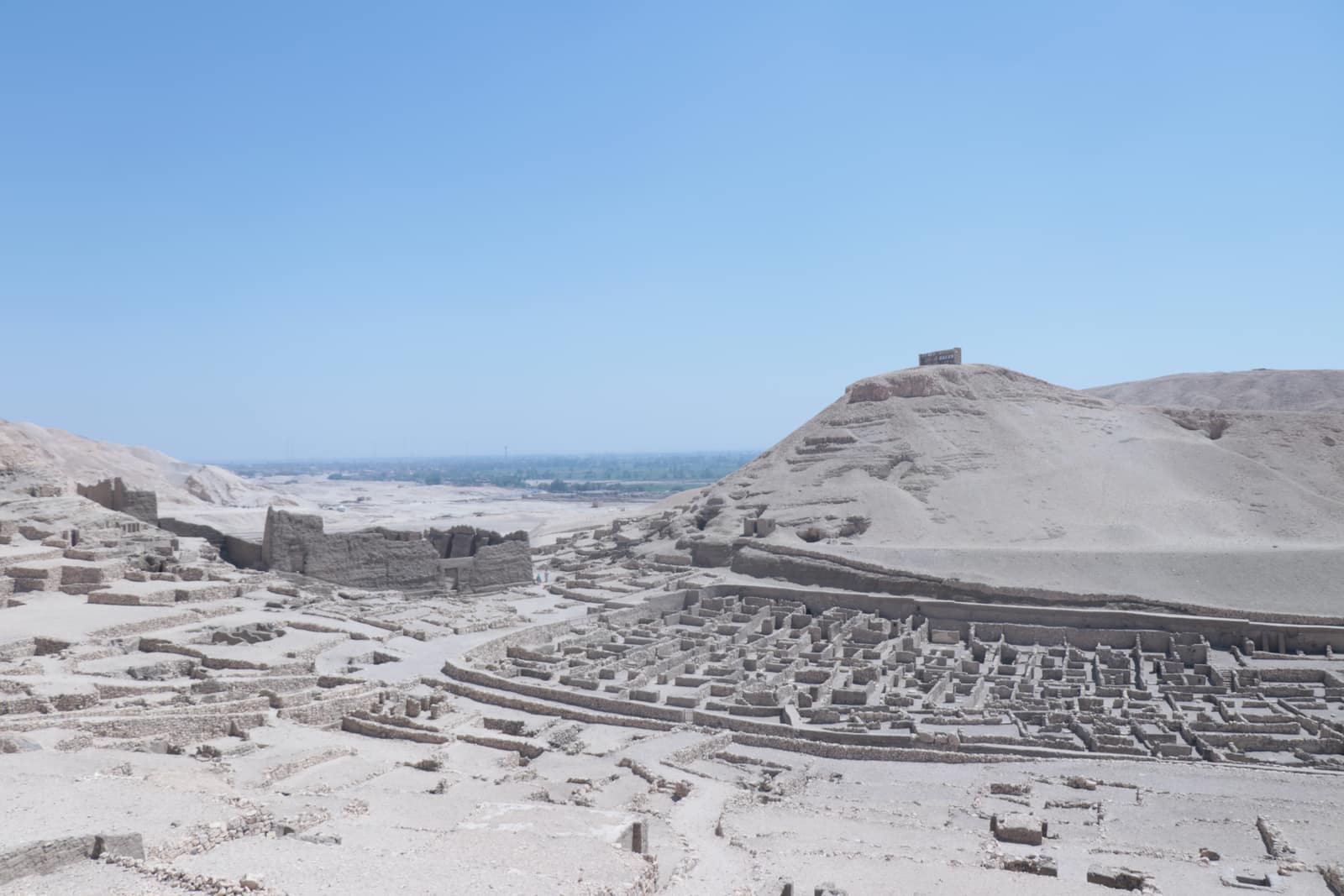
The low, pale stone walls of a ruined village laid out in a tight grid of small rooms and narrow lanes, at the foot of a bare sandy hill under a clear blue sky; a taller ruined enclosure wall stands on the left, and beyond the desert hills lies a hazy strip of green fields in the Nile valley.Image not loaded · data saverThe image could not be loaded.Image not saved on this deviceRH-0114

c. 1250 BCE

The absence register of Deir el-Medina

Deir el-Medina, west bank of Luxor, Egypt · Africa
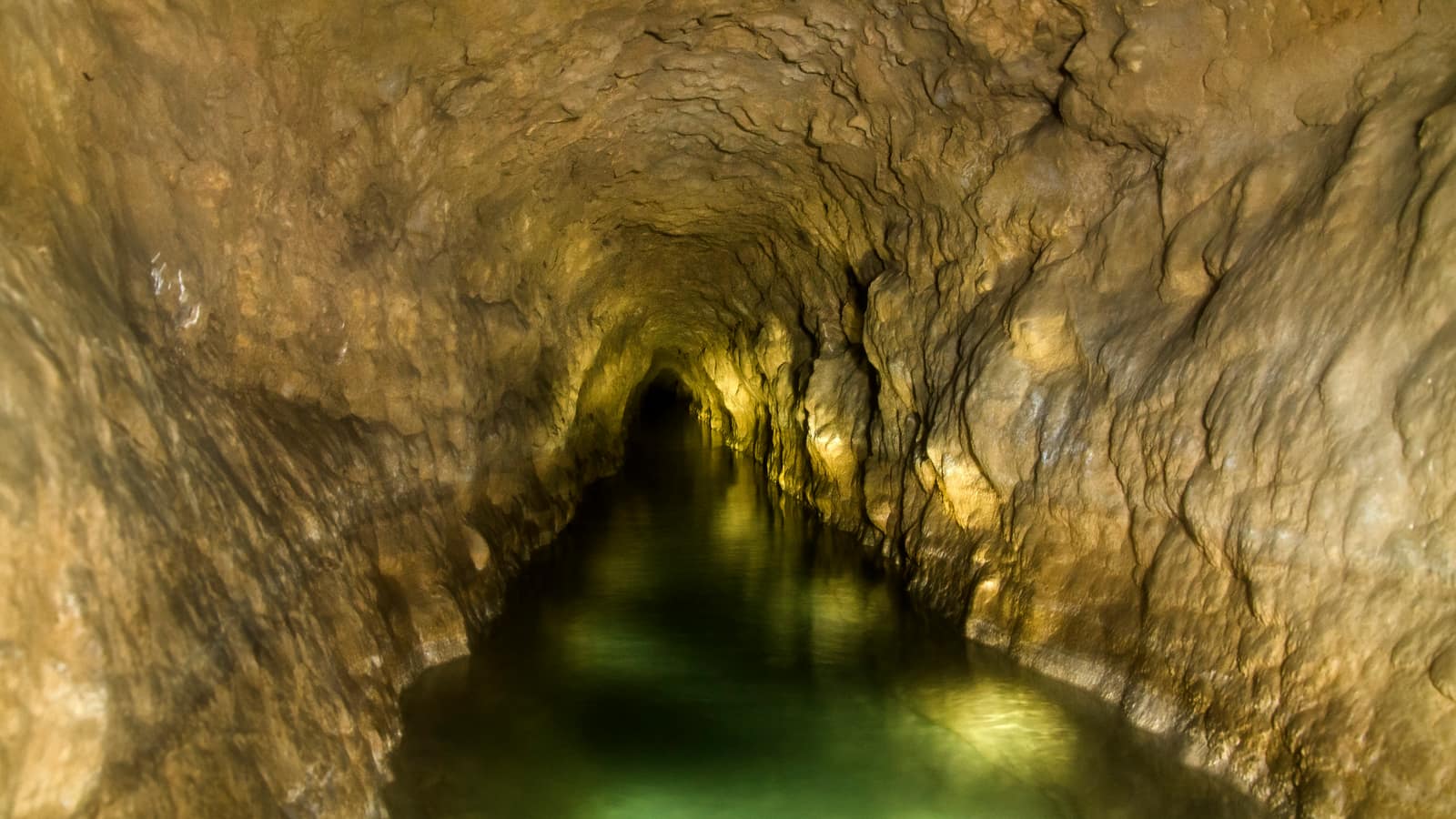
A long-exposure photograph inside a narrow underground tunnel cut through rough, pale earth that glows yellow under artificial light; still, greenish water covers the floor of the channel and mirrors the walls, and the tunnel curves away into darkness.Image not loaded · data saverThe image could not be loaded.Image not saved on this deviceRH-0141

c. 1000 BCE

The qanats of Persia: water carried through the dark

Gonabad, Razavi Khorasan Province, Iran · Asia
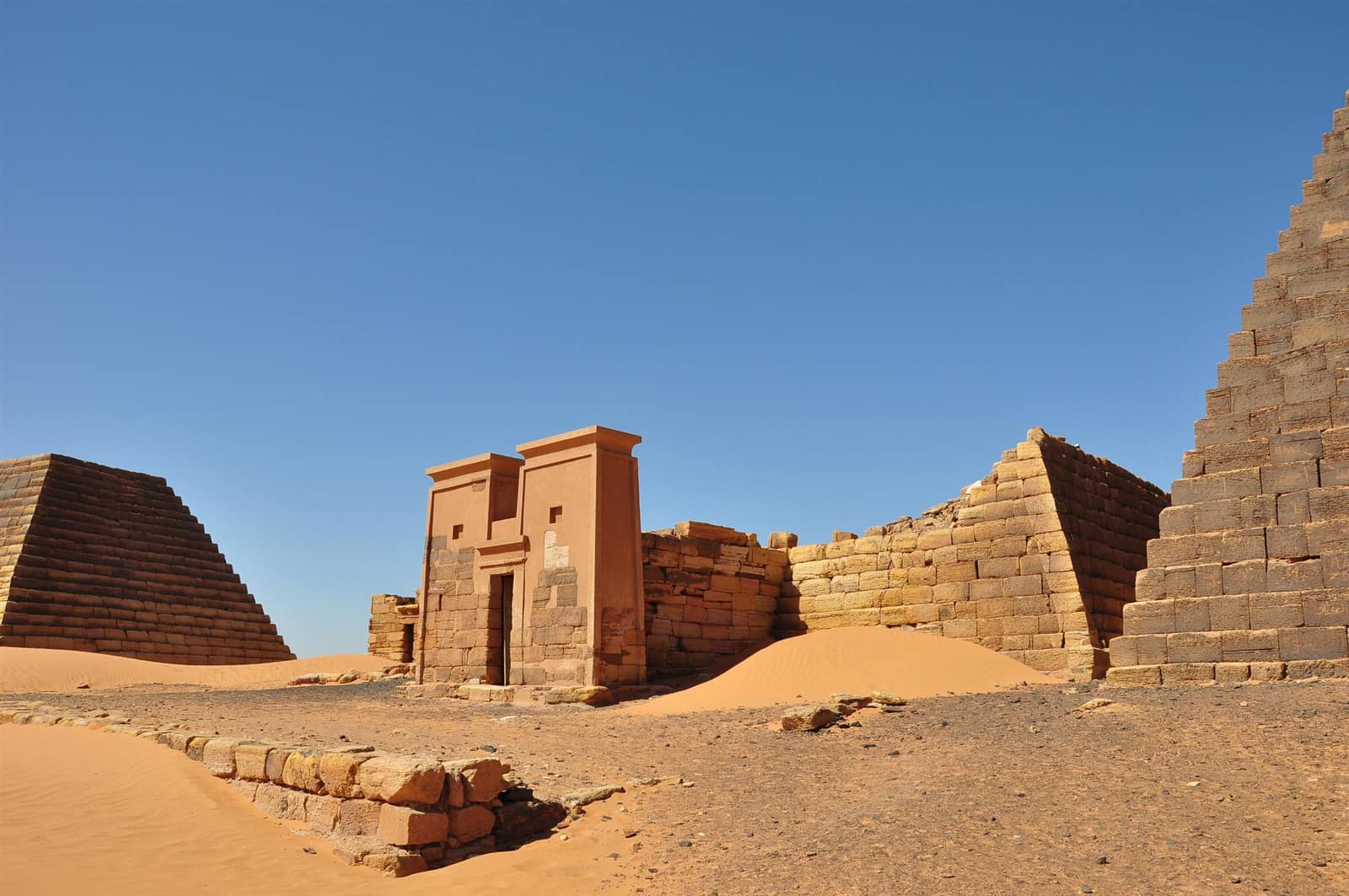
In pale orange sand under a clear blue sky, a small sandstone chapel with a gateway of two sloping towers stands among the remains of steep pyramids: on the right, a tall pyramid of stepped courses; behind and to the left, lower pyramids cut short, their tops gone.Image not loaded · data saverThe image could not be loaded.Image not saved on this deviceRH-0016

270 BCE to 350 CE

The pyramids of Meroë

Begrawiya (Bajrawiya), River Nile State, Sudan · Africa
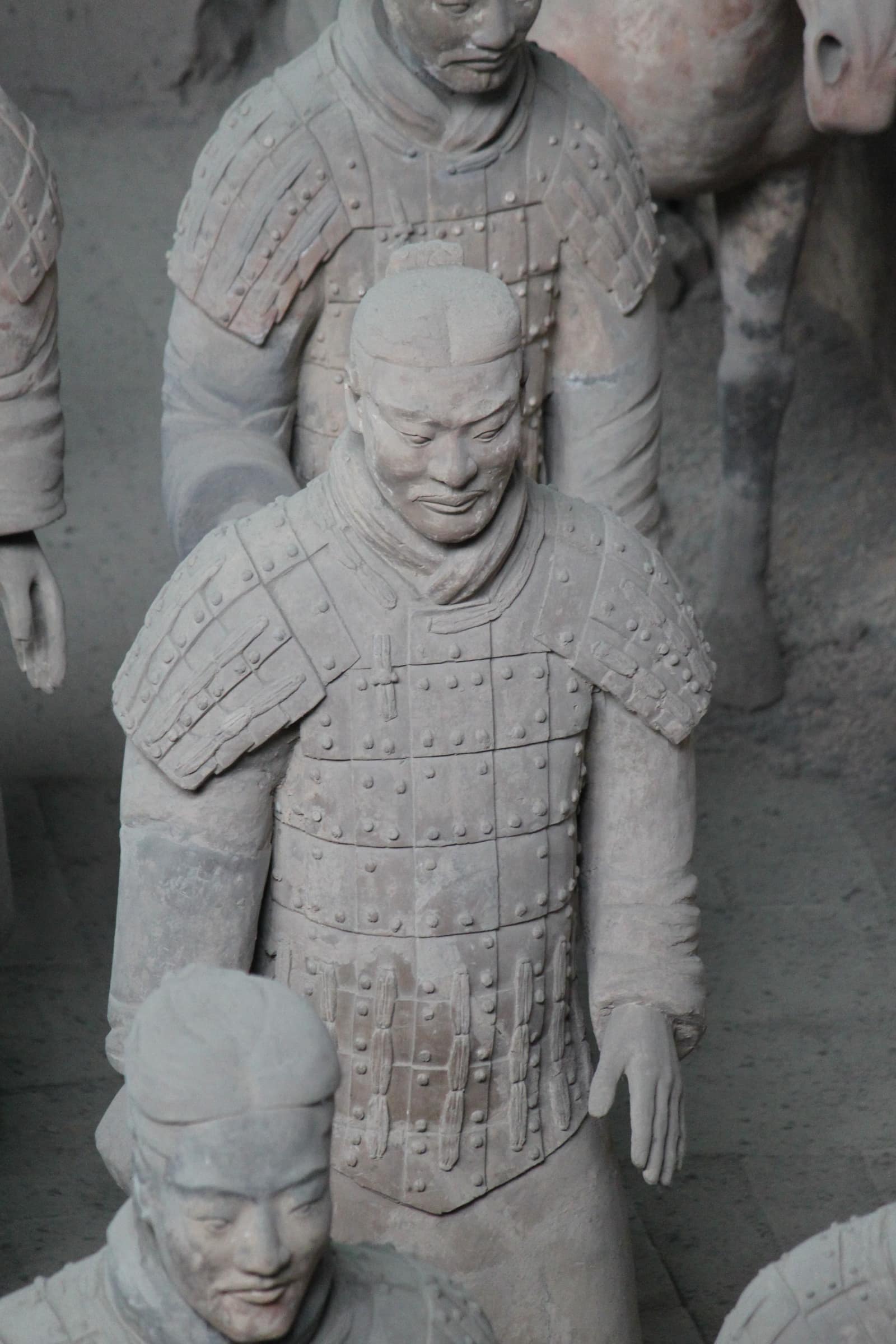
Seen from slightly above, a life-size grey clay soldier in Pit 1 wears armour of small riveted plates over a knee-length robe; his hair is tied in a topknot, his eyes are lowered, his empty right hand once held a weapon. Other soldiers and the leg of a clay horse stand around him.Image not loaded · data saverThe image could not be loaded.Image not saved on this deviceRH-0028

246 to 210 BCE

The Terracotta Army

Lintong district, Xi'an, Shaanxi, China · Asia
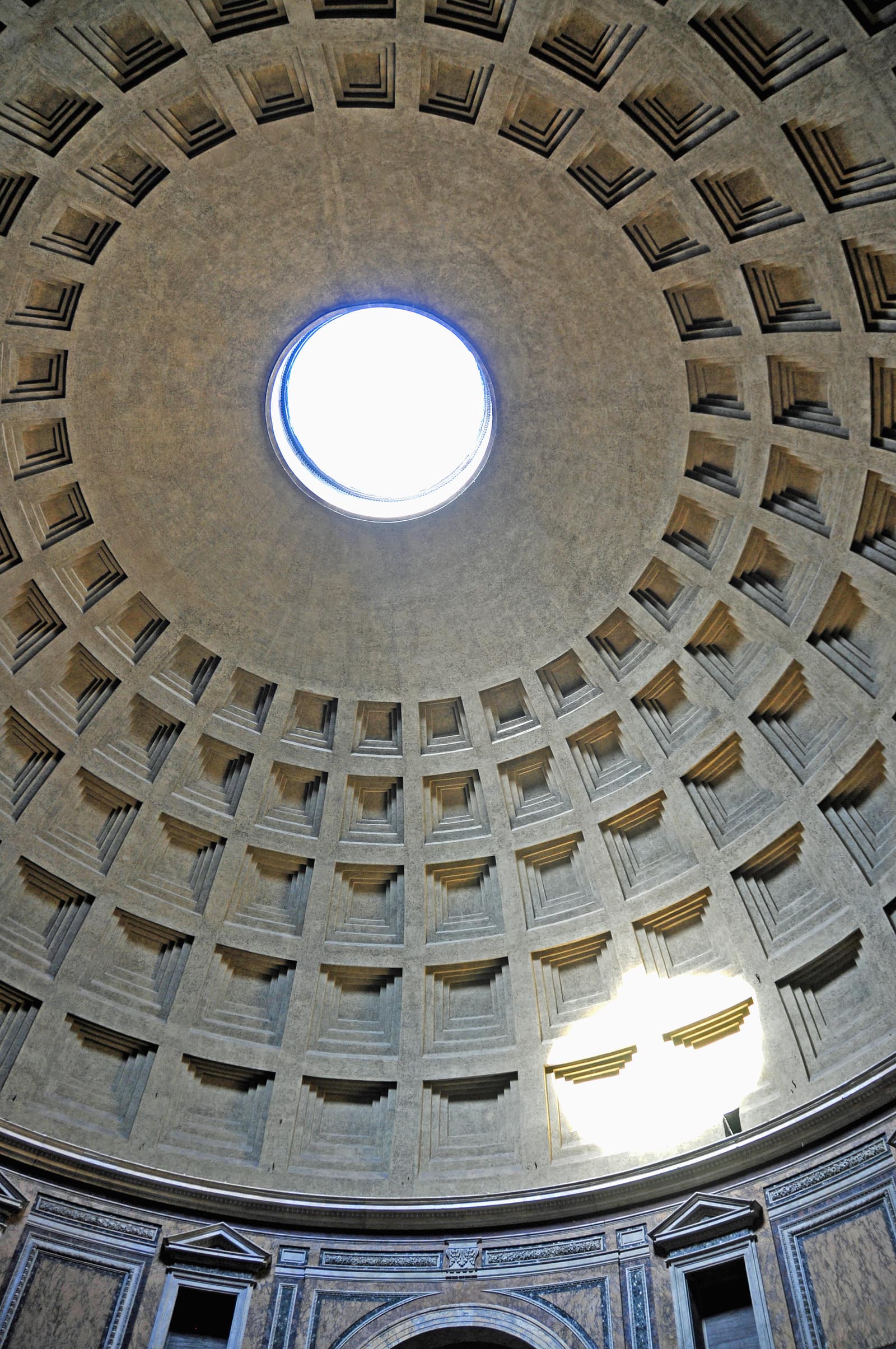
View looking straight up into the dome of the Pantheon in Rome: rings of square coffers, each stepped inward in several ledges, shrink as they rise towards a round opening at the top, bright white with sky. The concrete surface is grey and mottled. A patch of sunlight falls on the coffers at lower right, and a band of marble cornice and niches runs along the bottom of the picture.Image not loaded · data saverThe image could not be loaded.Image not saved on this deviceRH-0107

c. 125 CE

Stone poured like water: Roman concrete and the Pantheon dome

Piazza della Rotonda, Rome, Italy · Europe
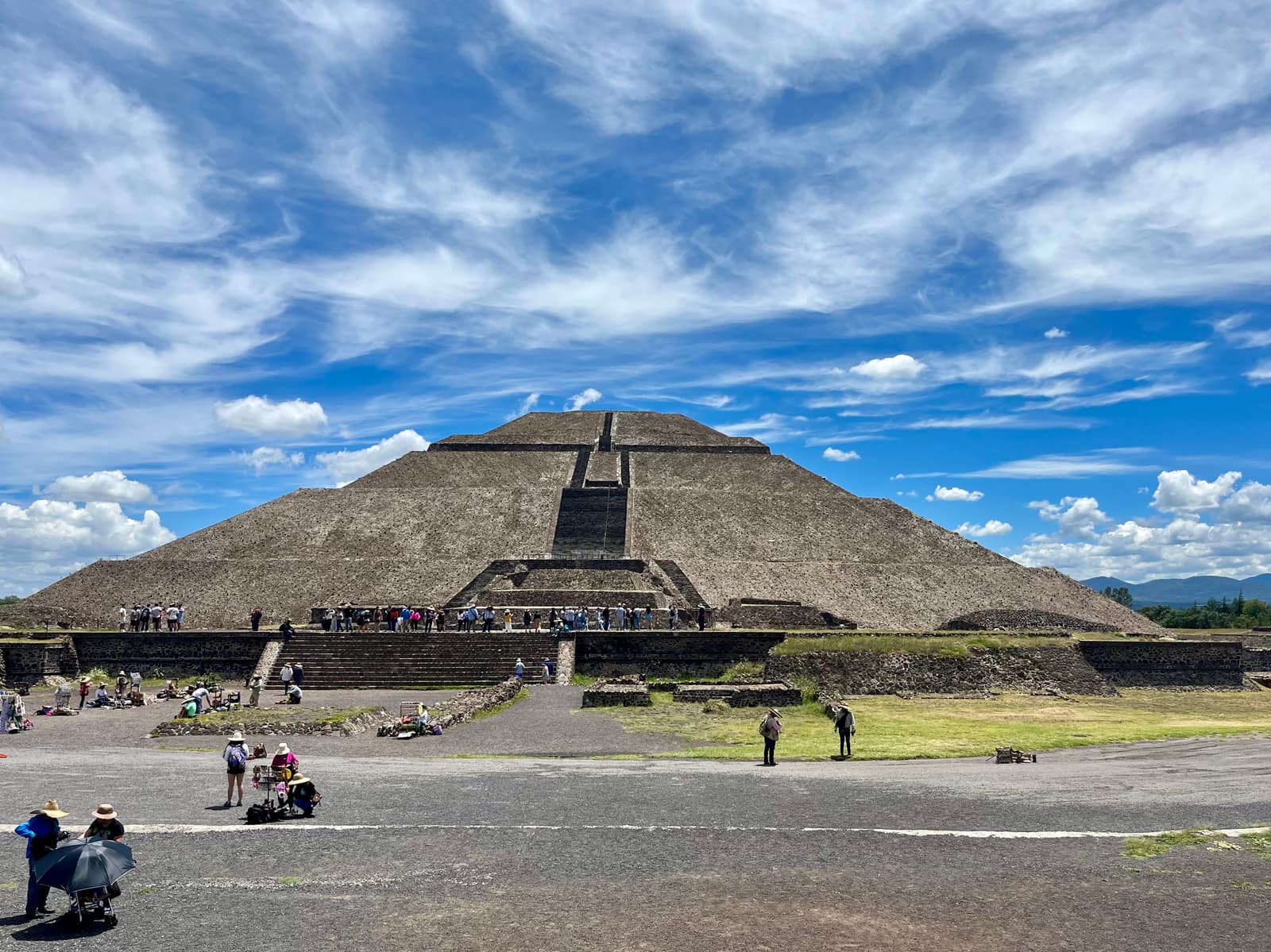
A vast stepped pyramid of grey stone seen from the front under a blue sky streaked with white cloud: a central staircase rises through its terraces to a flat top where small figures of visitors stand; in the foreground, a paved plaza, low platforms and a few people with sun hats and umbrellas.Image not loaded · data saverThe image could not be loaded.Image not saved on this deviceRH-0050

170 to 310 CE

The Pyramid of the Sun, Teotihuacan

San Juan Teotihuacán, State of Mexico, Mexico · Americas
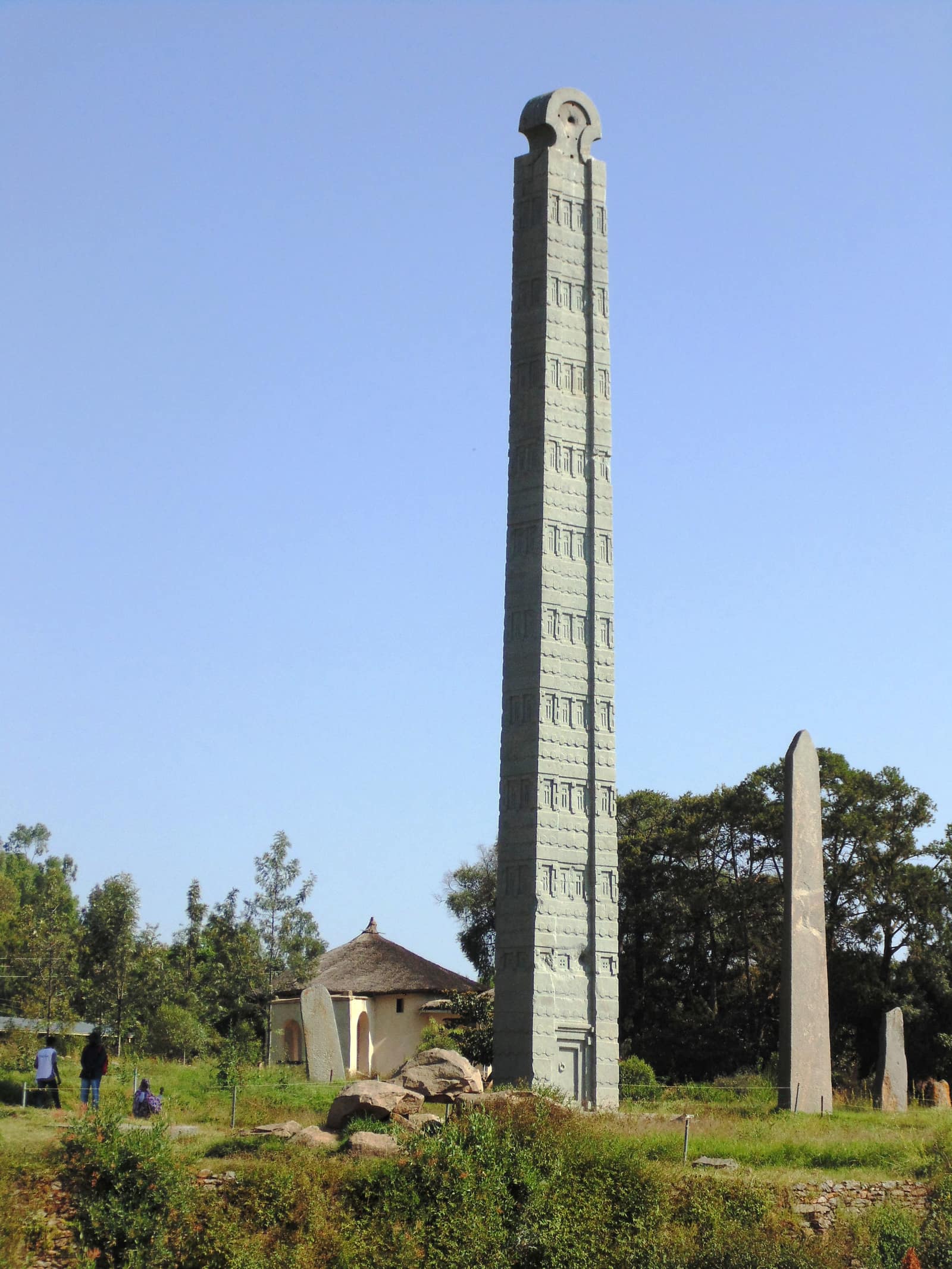
A very tall, slender grey granite stela standing in a green park under a blue sky, carved on its face with rows of false windows and beams like the storeys of a tower and topped by a rounded head; a smaller plain stela stands to its right and a round thatched building sits at its foot among trees.Image not loaded · data saverThe image could not be loaded.Image not saved on this deviceRH-0019

c. 300 CE

The Obelisk of Aksum

Aksum, Tigray, Ethiopia · Africa
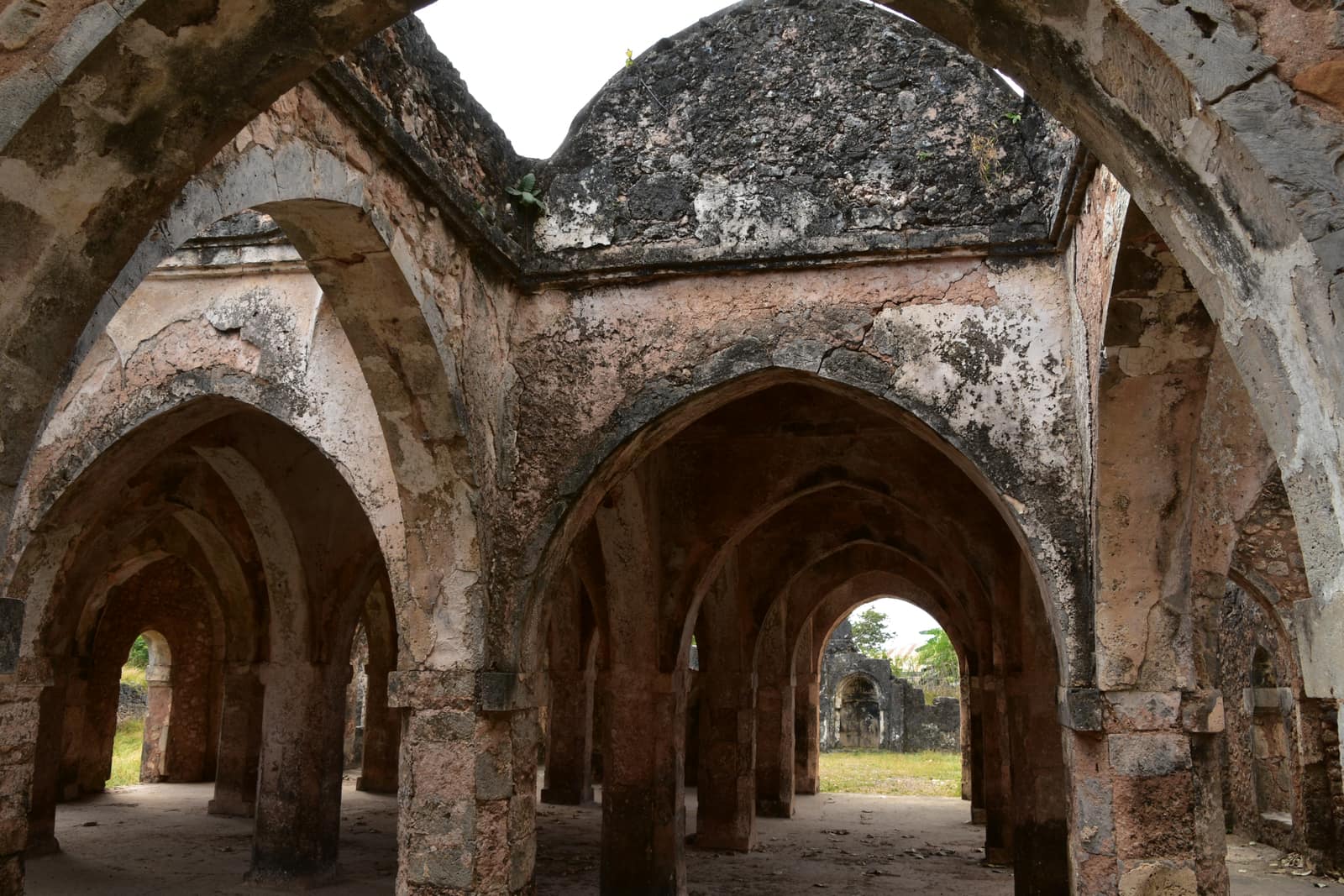
Inside the ruined Great Mosque of Kilwa: rows of weathered grey and ochre coral stone arches on slender pillars carry a roof of low domes, some patched with dark lichen, with daylight and green trees showing through the far arches.Image not loaded · data saverThe image could not be loaded.Image not saved on this deviceRH-0023

1000 to 1350 CE

The Great Mosque of Kilwa

Kilwa Kisiwani island, Lindi Region, Tanzania · Africa
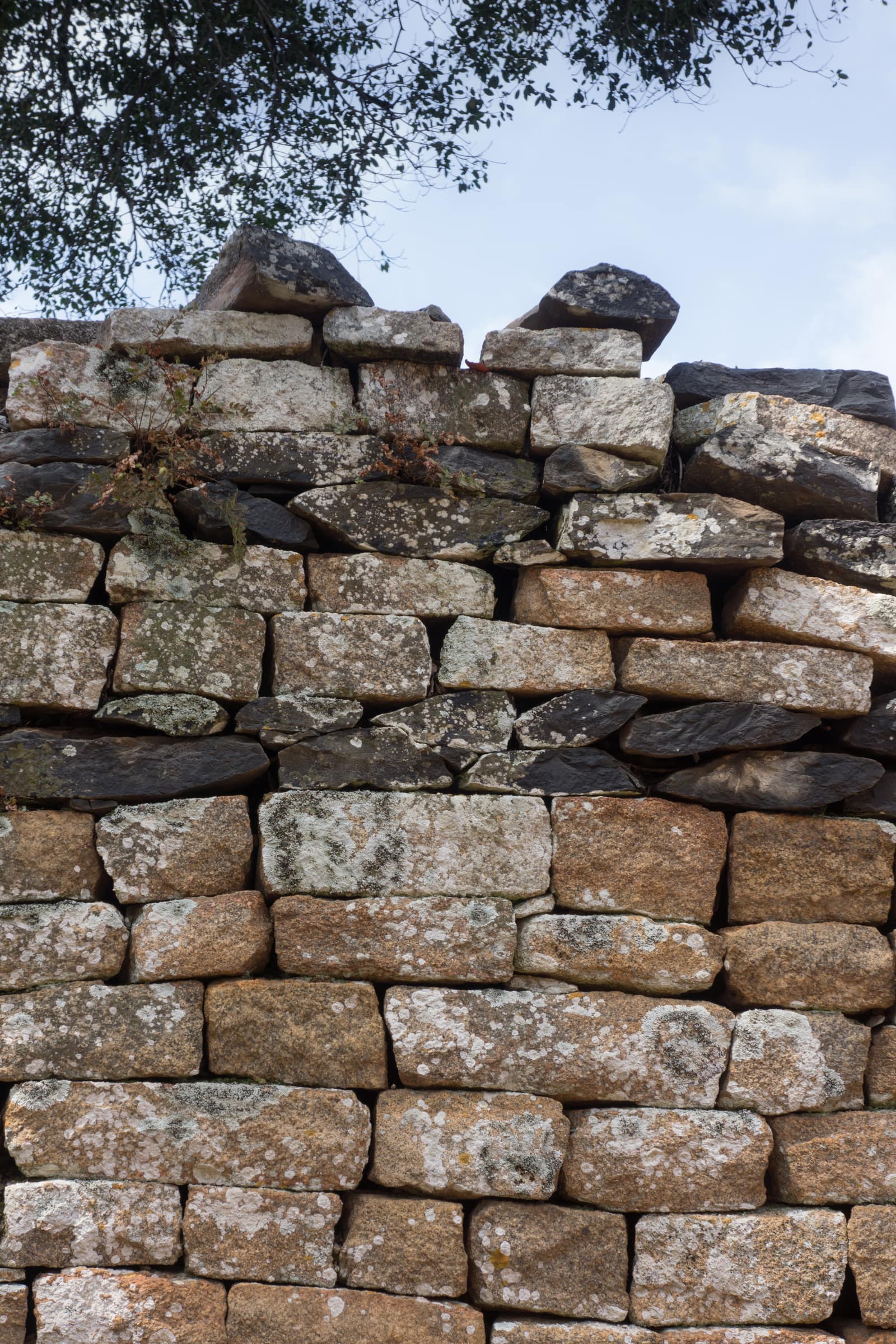
Close view of the top of a dry-stone wall in the Great Enclosure: rectangular granite blocks, grey and ochre and spotted with lichen, laid in even courses without mortar, with a band of darker stones near the top and a tree branch against a pale sky.Image not loaded · data saverThe image could not be loaded.Image not saved on this deviceRH-0003

1100 to 1500

Great Zimbabwe

Near Masvingo, Zimbabwe · Africa
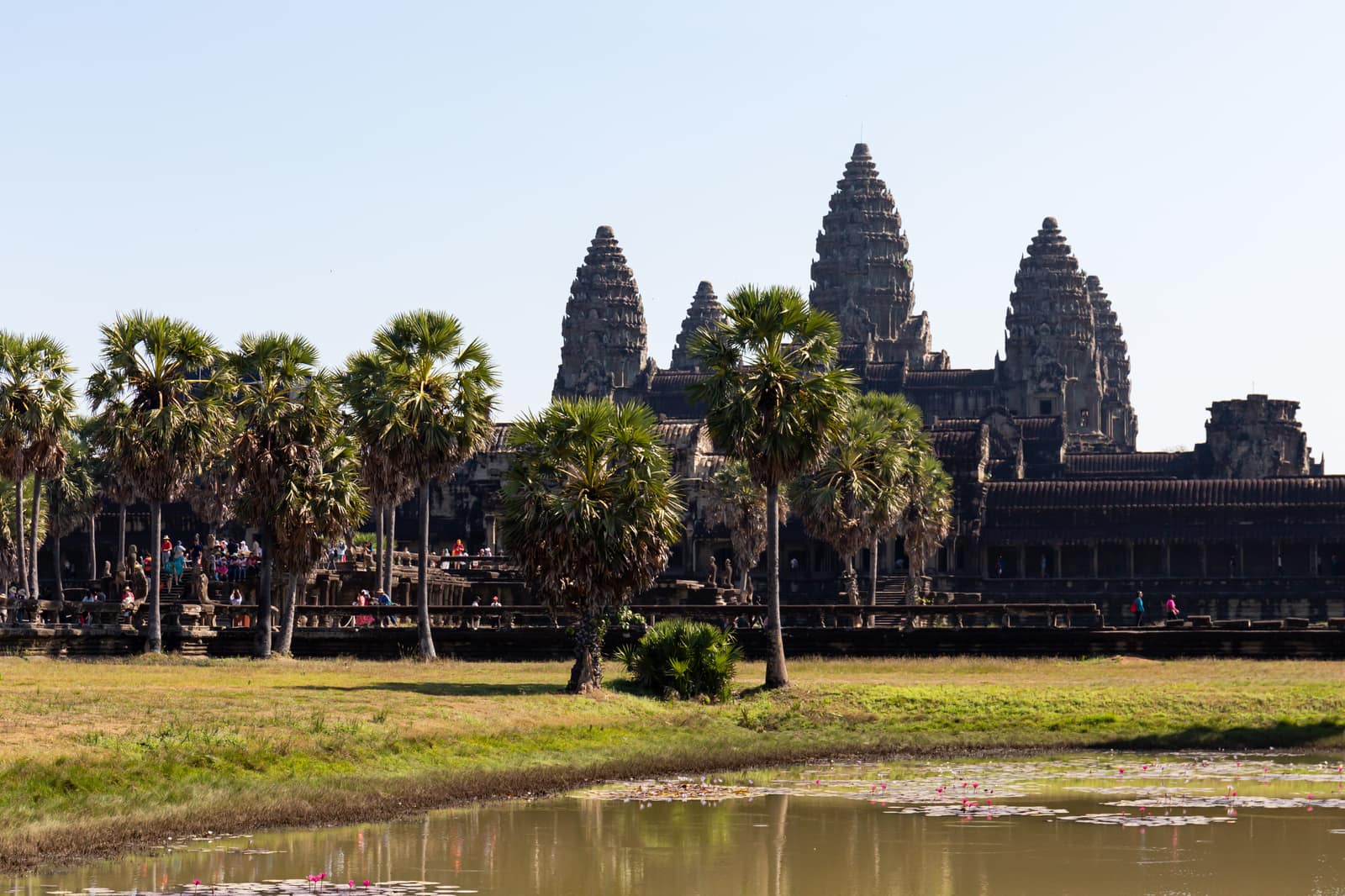
The five lotus-bud towers of Angkor Wat, dark grey sandstone against a pale blue sky, seen from the west across a pond with pink water lilies and a strip of grass; tall sugar palms stand in front of the long galleried facade, where small figures of visitors gather.Image not loaded · data saverThe image could not be loaded.Image not saved on this deviceRH-0033

1113 to 1150 CE

Angkor Wat

Angkor, near Siem Reap, Cambodia · Asia
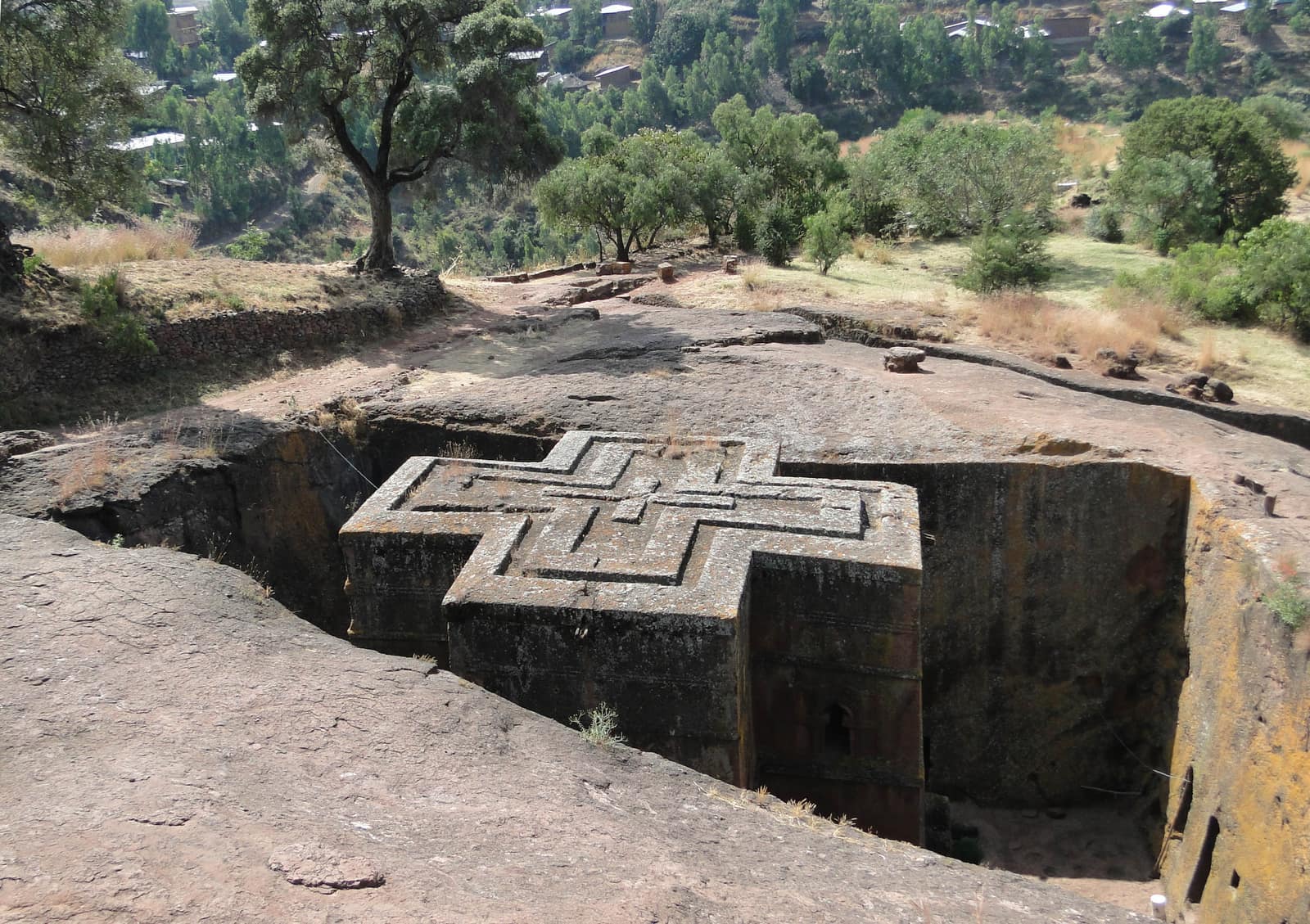
Bete Giyorgis seen from the rim of its pit: a church carved down into reddish rock, its flat roof shaped as a large cross of three stepped outlines, standing free inside a deep square trench, with bare rock, green trees and hillsides of the town around it.Image not loaded · data saverThe image could not be loaded.Image not saved on this deviceRH-0024

1150 to 1250 CE

The rock-hewn churches of Lalibela

Lalibela, Amhara Region, Ethiopia · Africa
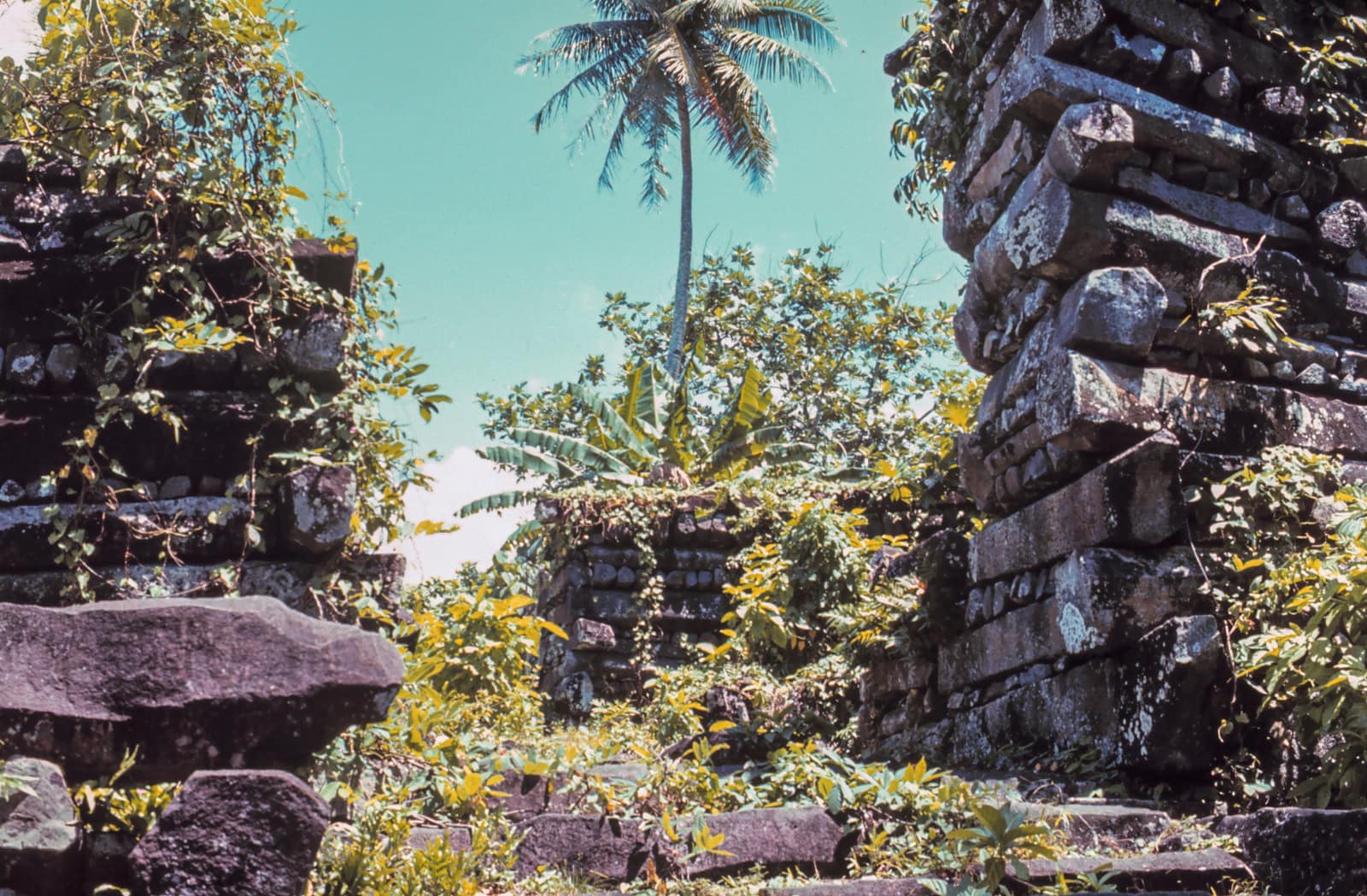
Ruined walls of dark basalt prisms stacked crosswise in alternating courses, overgrown with shrubs and vines; a gap between two walls opens on a lower enclosure, with a coconut palm against a pale sky.Image not loaded · data saverThe image could not be loaded.Image not saved on this deviceRH-0010

1180 to 1500

Nan Madol

Madolenihmw, Pohnpei State, Federated States of Micronesia · Oceania
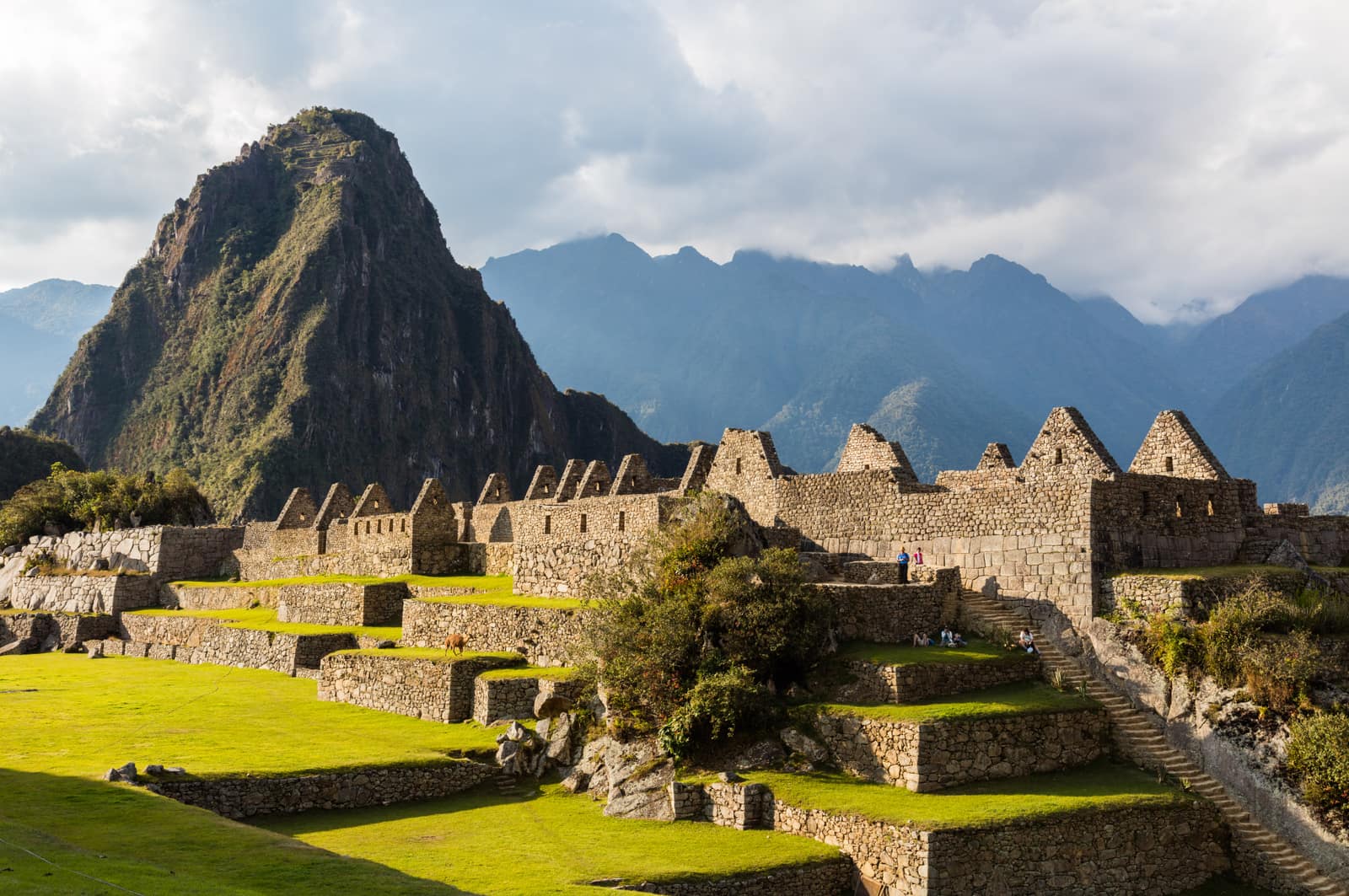
Late afternoon light on the stone buildings of Machu Picchu: a long row of roofless houses with steep triangular gables stands along a ridge above stepped terraces of bright green grass held by dry stone walls, with a flight of stone steps on the right; a few visitors and a llama give the scale. Behind rises the sharp, forested peak of Huayna Picchu, and blue mountains fade under cloud in the distance.Image not loaded · data saverThe image could not be loaded.Image not saved on this deviceRH-0102

1420 to 1532

Machu Picchu, the mountain estate of an Inca ruler

Historic Sanctuary of Machu Picchu, Urubamba province, Cusco region, Peru · Americas
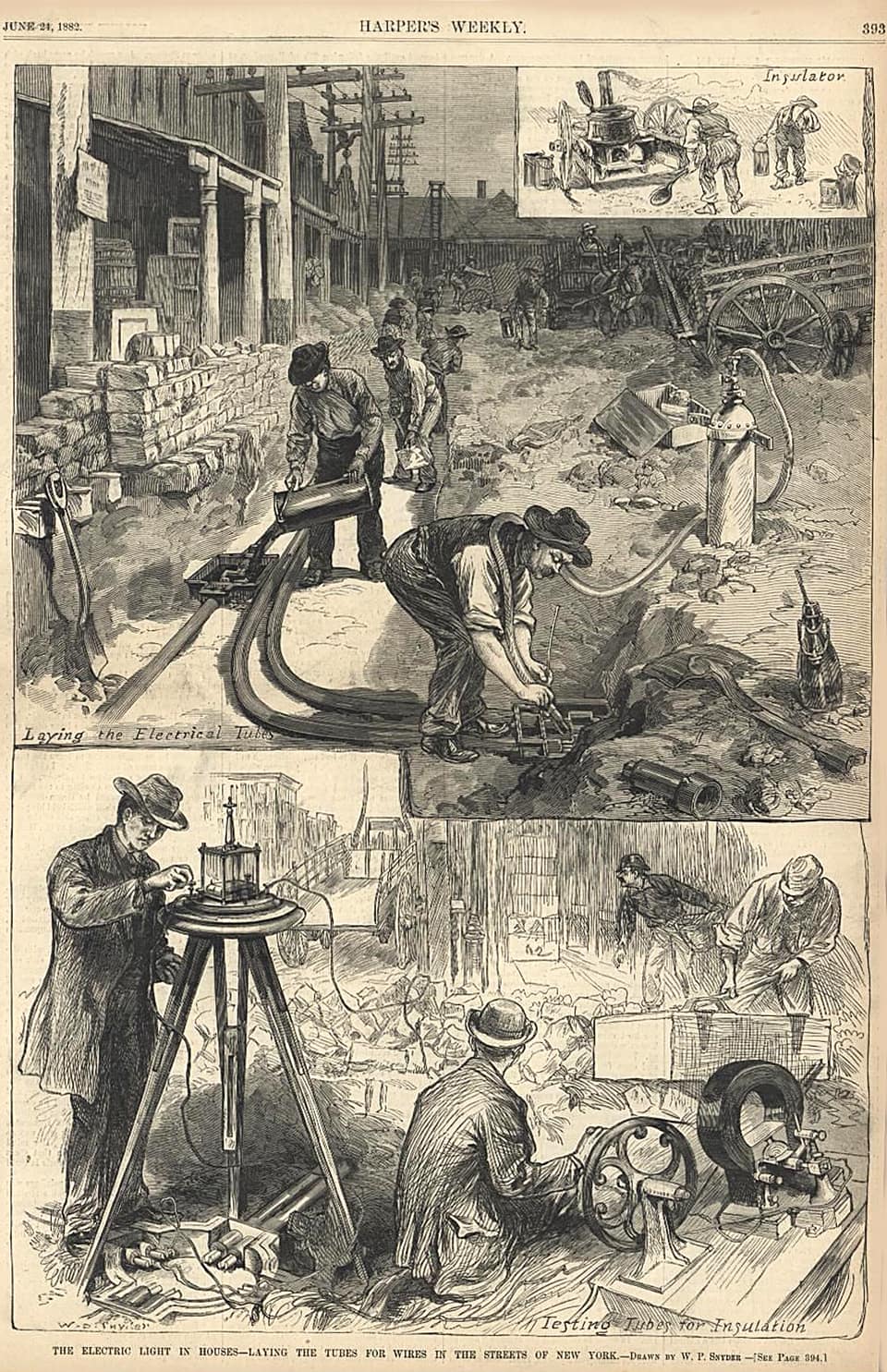
A full page black and white engraving from Harper's Weekly, 24 June 1882: in a torn up New York street, workmen in hats lay long curved iron tubes in a trench and join them by hand, while others heat insulating compound over a small furnace; below, a man in a coat tests a joint with an instrument on a tripod beside a crank machine.Image not loaded · data saverThe image could not be loaded.Image not saved on this deviceRH-0084

1882

Pearl Street Station, the first central power network in New York

Lower Manhattan, New York, United States · Americas
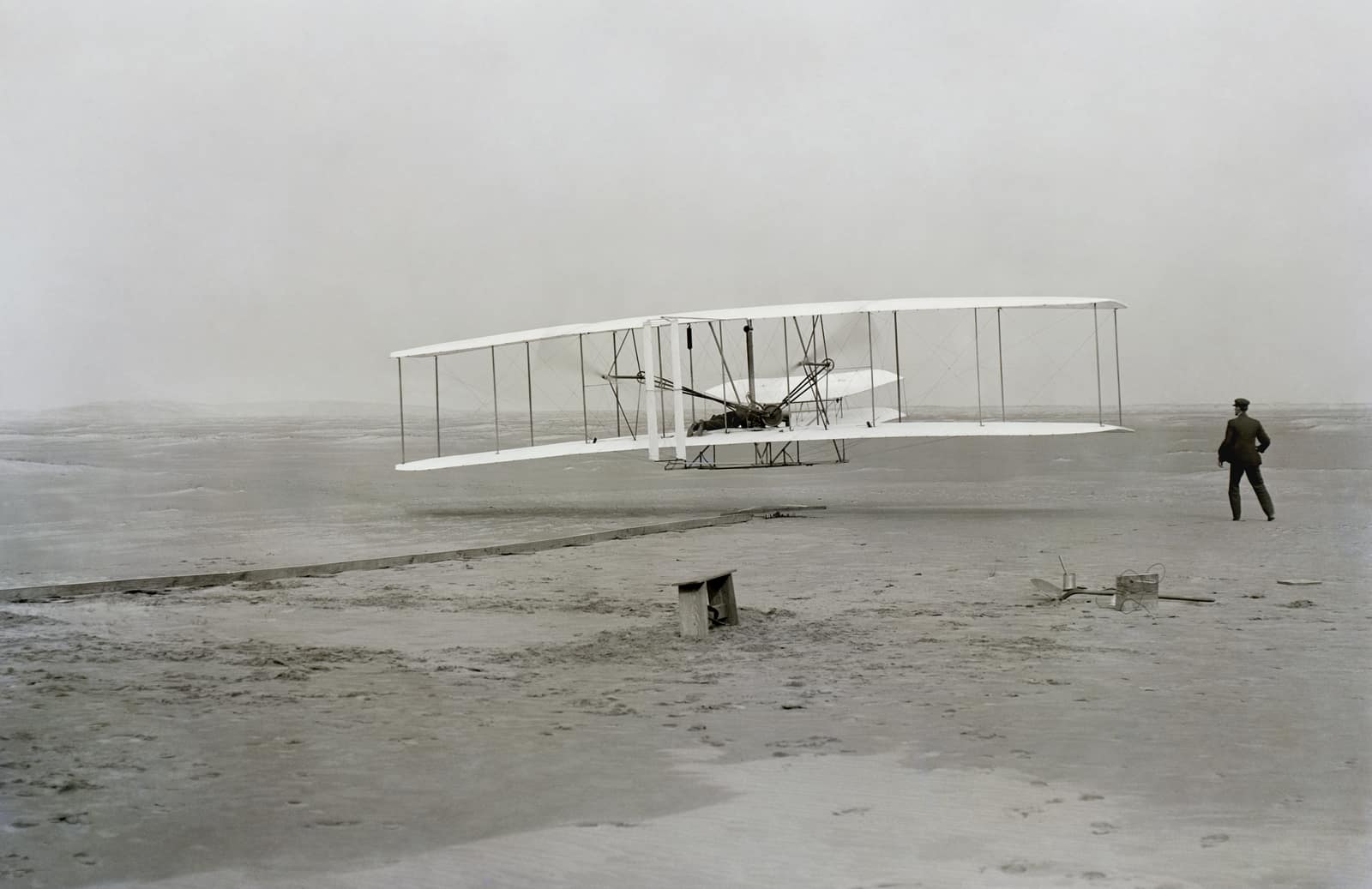
A black and white photograph of a flat, empty stretch of sand under a pale grey sky. Just above the ground, a large biplane of white fabric and thin wooden struts has lifted off, a man lying flat on the lower wing at its centre. To the right, a man in a dark suit and cap stands watching, his arms slightly out from his body; on the sand below the aircraft lie a long wooden launching rail, a small bench and scattered tools.Image not loaded · data saverThe image could not be loaded.Image not saved on this deviceRH-0074

1903

The first powered flight: the Wright Flyer

Wright Brothers National Memorial, Kill Devil Hills, North Carolina, United States · Americas
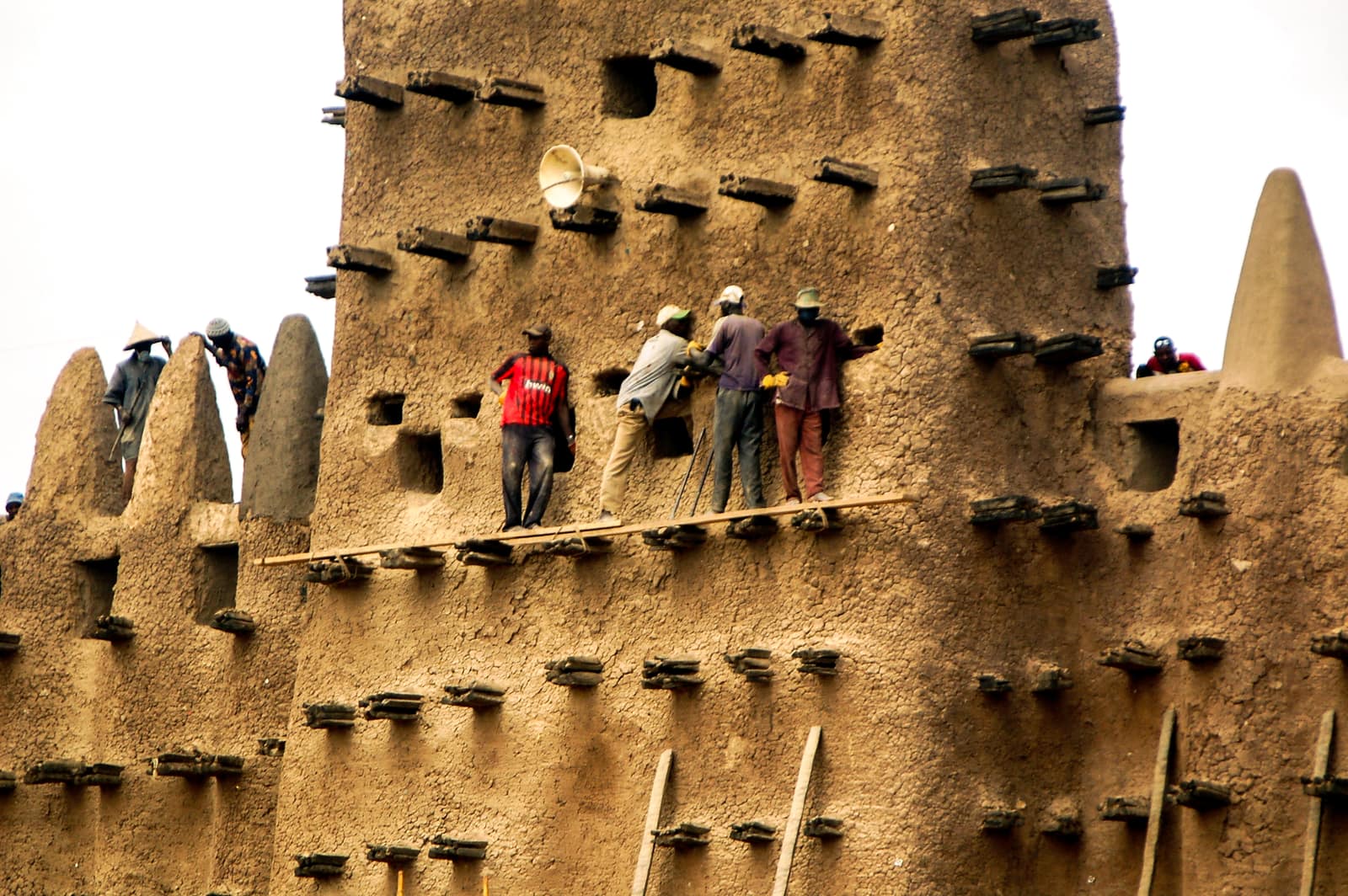
The upper part of a tall façade of smooth, sand-brown earth, bristling with rows of short palm-wood beams that jut out of the wall. On a thin plank laid across the beams halfway up, four men in caps and work clothes stand pressed against the wall, working on it; two more stand on the rounded pinnacles to the left, and a loudspeaker horn is fixed to the wall above them. Photographed in April 2009.Image not loaded · data saverThe image could not be loaded.Image not saved on this deviceRH-0128

after 1907

The plastering of Djenné: a town that re-coats its mosque by hand

Djenné, Mali · Africa
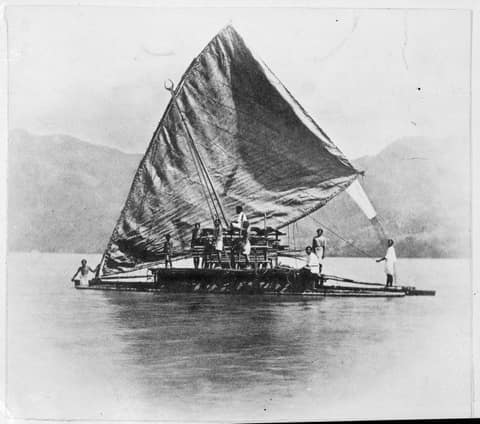
An old black-and-white photograph of a Fijian drua sailing on calm water below dark hills: two hulls joined by a broad deck, a raised platform with a small shelter in the middle, and a huge triangular sail of matting rising from a slanting mast. About a dozen men stand on the deck and at the ends of the hulls. This is a nineteenth-century drua, not the Ratu Finau.Image not loaded · data saverThe image could not be loaded.Image not saved on this deviceRH-0135

c. 1913

The Ratu Finau, a drua, and the axe marks of its builders

Fulaga, Lau Islands, Fiji; now at the Fiji Museum, Suva · Oceania