Nanni's complaint to Ea-nasir
- Dated
- Place
- Tell al-Muqayyar, near Nasiriyah, Dhi Qar Governorate, Iraq · Old Babylonian Ur: the merchants of the Dilmun copper trade and their customers
- Coordinates
- 30° 58′ N · 46° 06′ E (approximate)
- Remains
- Intact
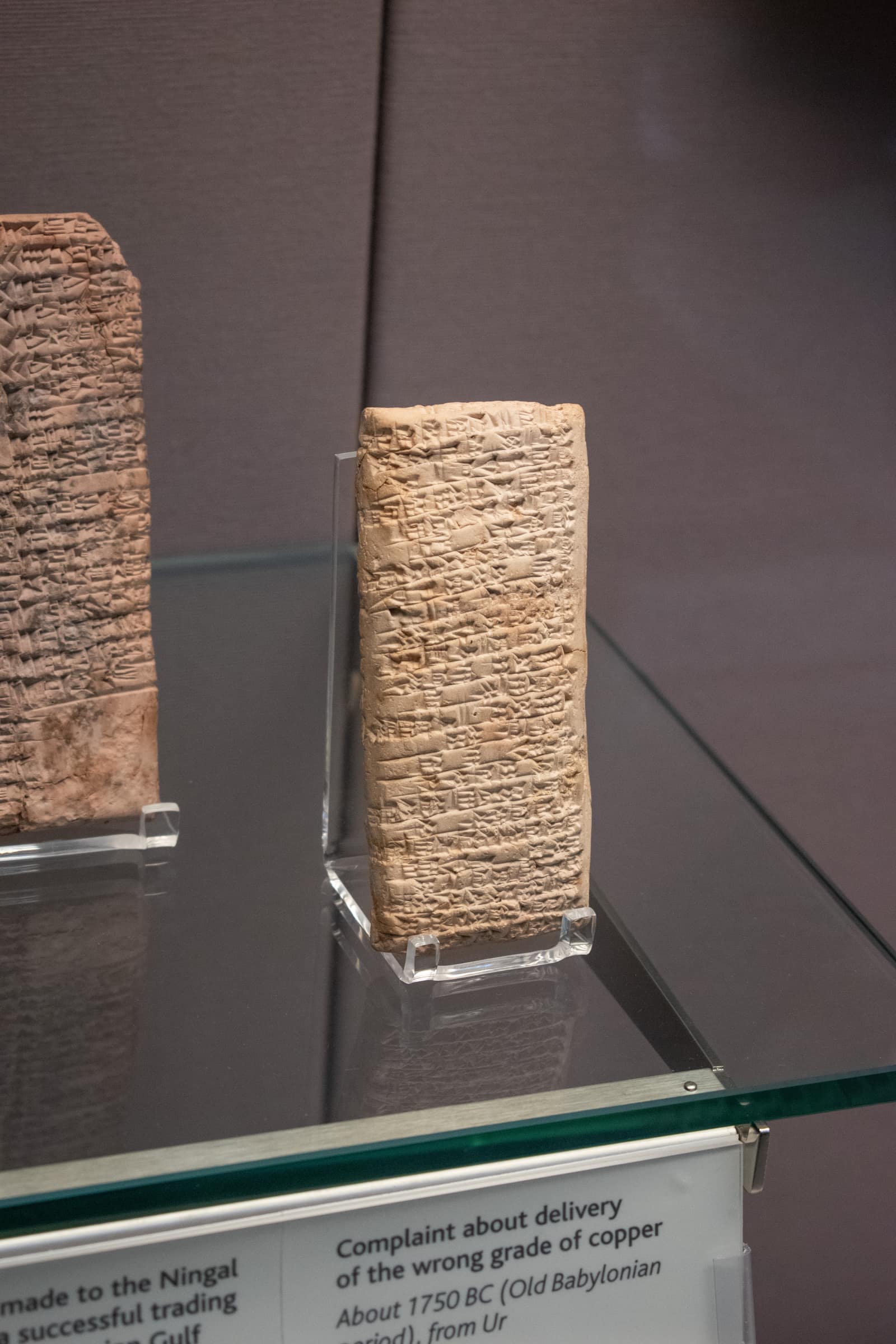
Joel Bellviure, CC BY 4.0, via Wikimedia CommonsCC-BY-4.0Original record
Data saver is on. Images load only when you ask. You can change this in Settings at any time.
From the archivist
Nanni was angry, and he wanted it in writing. His words were pressed into a tablet of clay no longer than a hand, and they have not cooled.
He had been promised fine copper by Ea-nasir, a merchant of Ur who traded with Dilmun, across the Gulf. When his messenger came to collect it, Ea-nasir set out poor ingots and said: take them if you want them; if not, go away. "What do you take me for," Nanni answered, "that you treat somebody like me with such contempt?" His men had been sent back empty-handed, again and again, through enemy country. From now on, he warned, he would choose each ingot himself, in his own yard.
It is the voice of a man hurt more in his pride than in his purse. The sums matter, but the word that returns, line after line, is contempt.
The tablet was found in the ruins of a house in Ur, among other letters about copper, some of them complaints as well. The merchant, it seems, kept them.
Nearly four thousand years later, the heirs of this civilization read Nanni's letter, laughed, and turned his merchant into a legend. They laughed because they knew him: the promise not kept, the message sent back, the fury of being taken for a fool.
Established
- A clay tablet inscribed in Akkadian cuneiform on both faces and the left edge, 11.6 cm high, 5.0 cm wide and 2.6 cm thick, from Ur, Old Babylonian period, about 1750 BCE (CDLI; British Museum label quoted by Moshenska 2026).
- It is British Museum 131236 (registration 1953,0411.71), excavation number U 16814a, published as UET V 81 (CDLI; Figulla and Martin 1953).
- It was found during Leonard Woolley's excavations at Ur in the 1920s, in a mud-brick house of the residential quarter AH that Woolley named No. 1 Old Street, after a street in Oxford (Moshenska 2026).
- Nanni writes that Ea-nasir promised fine-quality copper ingots, then set poor ingots before his messenger with the words: if you want to take them, take them; if not, go away (Oppenheim 1967).
- He complains that his messengers were sent back empty-handed several times, through enemy territory, and announces that he will now select each ingot himself in his own yard (Oppenheim 1967).
- Ea-nasir belonged to the merchants who traded with Dilmun, present-day Bahrain, where copper ingots were the core of the trade (Moshenska 2026).
- Since a Reddit post of 25 February 2015, the tablet has become a lasting internet meme (Moshenska 2026).
Interpretation
That No. 1 Old Street was Ea-nasir's house is inferred from the tablets bearing his name found in one of its rooms; why a letter of complaint addressed to him was kept there, as a record, as evidence or simply left behind, is not known. Other letters from the same room also concern copper, and some of them complain. Nothing on the tablet tells how the quarrel ended. The house was later divided into smaller dwellings, which has been read either as a decline in fortune or as a division between heirs (Moshenska 2026). Whether a scribe wrote down Nanni's words or he wrote them himself is not stated.
Looking ahead
Somewhere in our servers, a complaint as bitter as Nanni's is waiting. Whoever reads it four thousand years from now may smile, and recognise us.
Sources (4)
- Moshenska, G. The Legend of Ea-Naṣir: how a Babylonian businessman became an internet meme. Journal of Contemporary Archaeology 12 (1), 2026, p. 52-76 (accepted manuscript, UCL Discovery), with the translation of Oppenheim 1967. · discovery.ucl.ac.uk
- Oppenheim, A. L. Letters from Mesopotamia: official, business, and private letters on clay tablets from two millennia. Chicago, University of Chicago Press, 1967, p. 82-83. · isac.uchicago.edu
- Figulla, H. H., Martin, W. J. Letters and business documents of the Old Babylonian period. Ur Excavations: Texts V. London, British Museum, 1953, no. 81.
- Cuneiform Digital Library Initiative. UET 5, 0081 (P414985): BM 131236, excavation number U 16814a, Ur, Old Babylonian. · cdli.earth
Related fragments
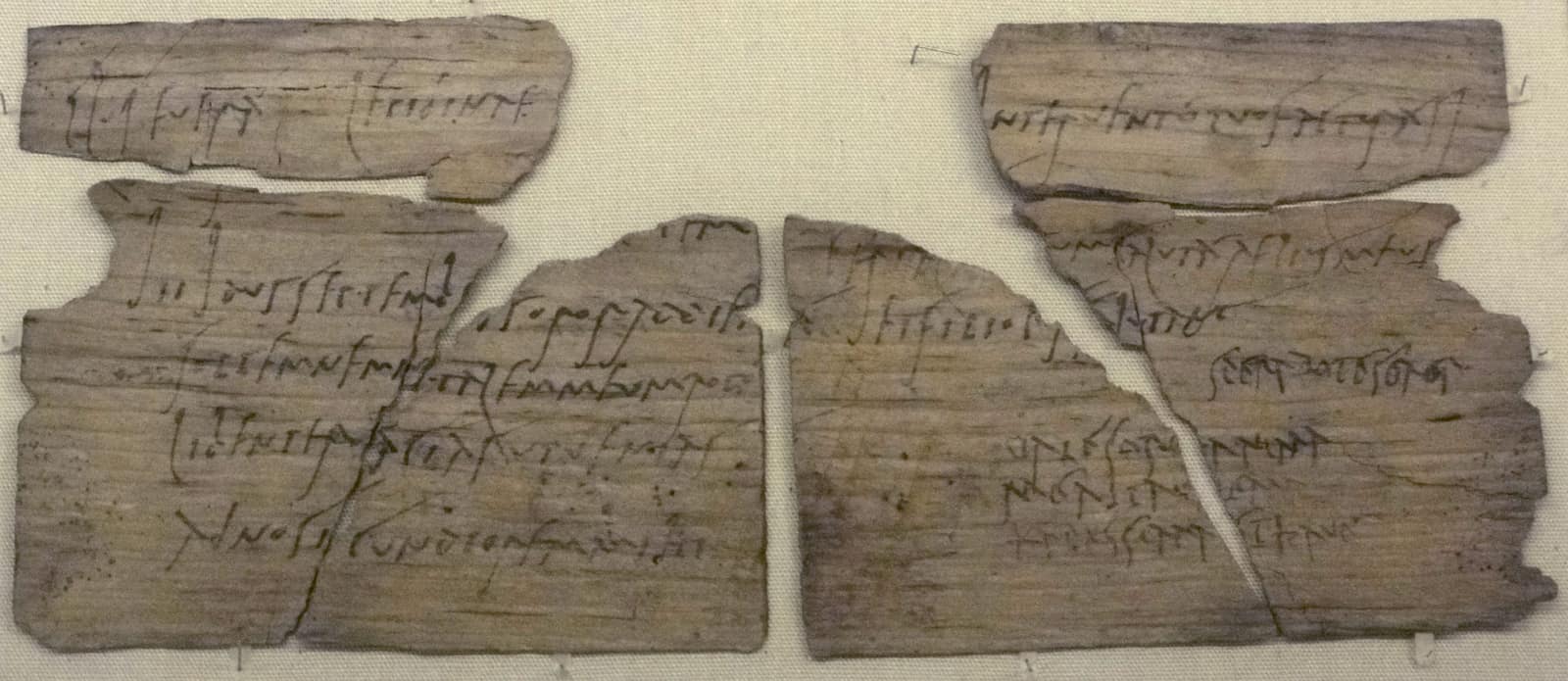
97 to 105 CE
Come to my birthday: Claudia Severa's letter to Lepidina
Chesterholm, near Bardon Mill, Northumberland, England, United Kingdom · Europe
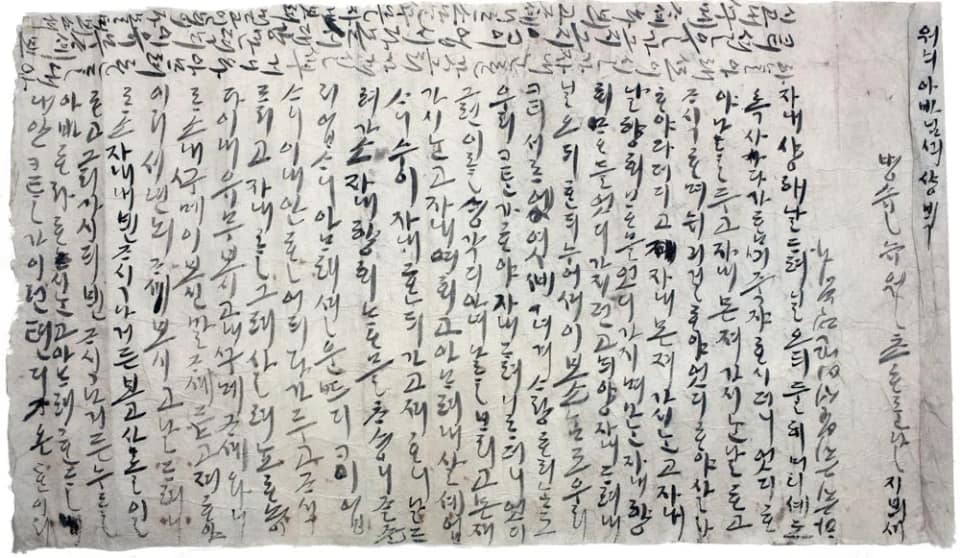
1586
Won-i's mother: a letter to a husband in his grave
Jeongsang-dong, Andong, North Gyeongsang Province, South Korea · Asia
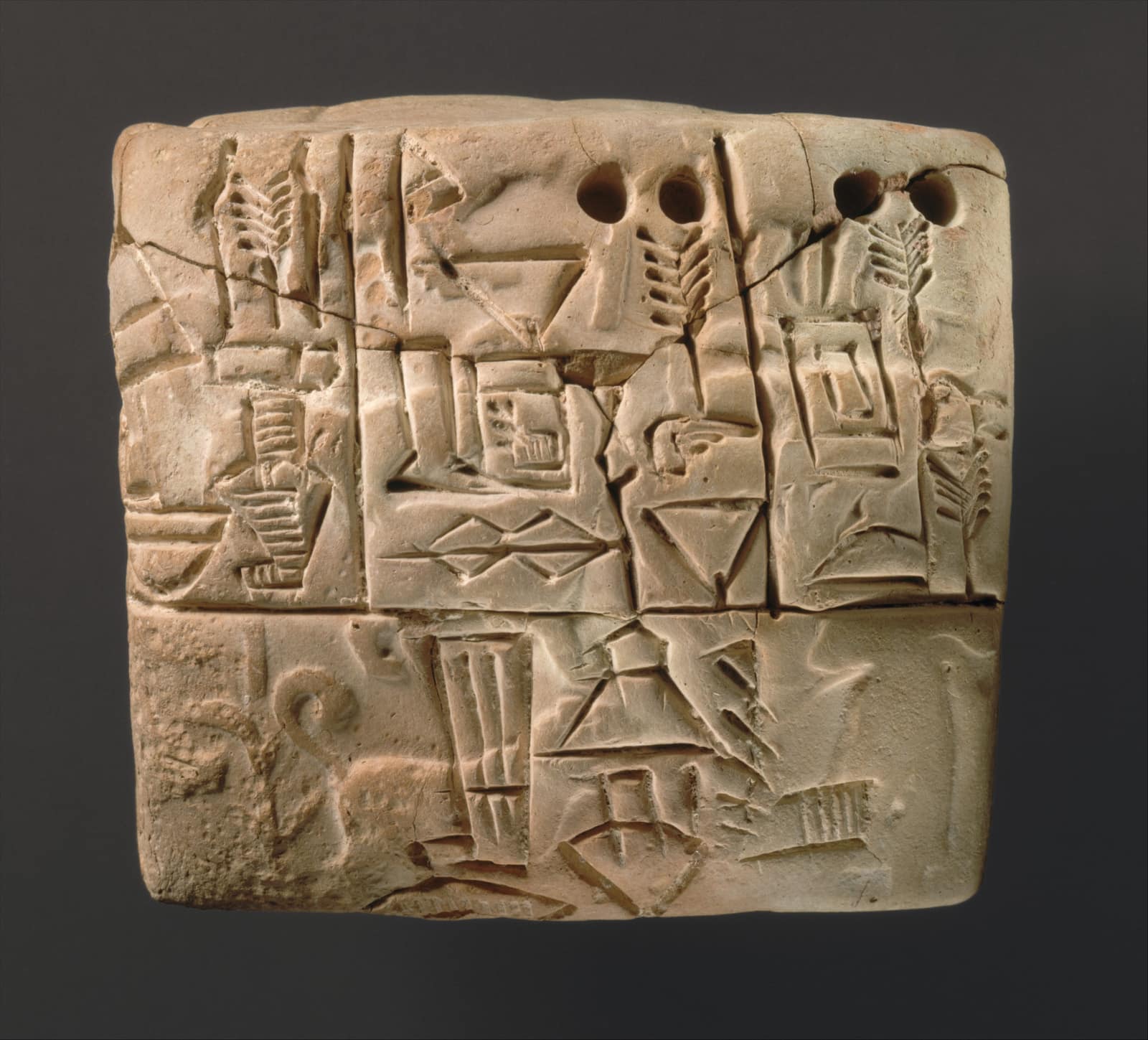
3300 to 2900 BCE
The first writing: proto-cuneiform tablets of Uruk
Warka, Al-Muthanna Governorate, Iraq · Asia