The first orbital-class booster to come back: Falcon 9 flight 20
Before 21 December 2015 every first stage that had lifted a payload towards orbit was thrown away after a single flight; after it, one had come back and stood upright on the ground, and the reuse of orbital rockets became a working practice rather than a promise.
- Dated
- Place
- Cape Canaveral Space Force Station, Florida, United States · Engineers and launch crews of SpaceX, a private American company, with the range teams of the US Air Force's 45th Space Wing at Cape Canaveral
- Coordinates
- 28° 29′ N · 80° 33′ W (approximate)
- Remains
- Intact
.jpg)
SpaceX, CC0, via Wikimedia CommonsCC0-1.0Original record
Data saver is on. Images load only when you ask. You can change this in Settings at any time.
From the archivist
For more than half a century, this civilization built its orbital rockets, with rare exceptions, to be lost. Almost every stage carried its load a little way up, then fell into the sea in pieces, or burned. A new rocket was built for nearly every flight.
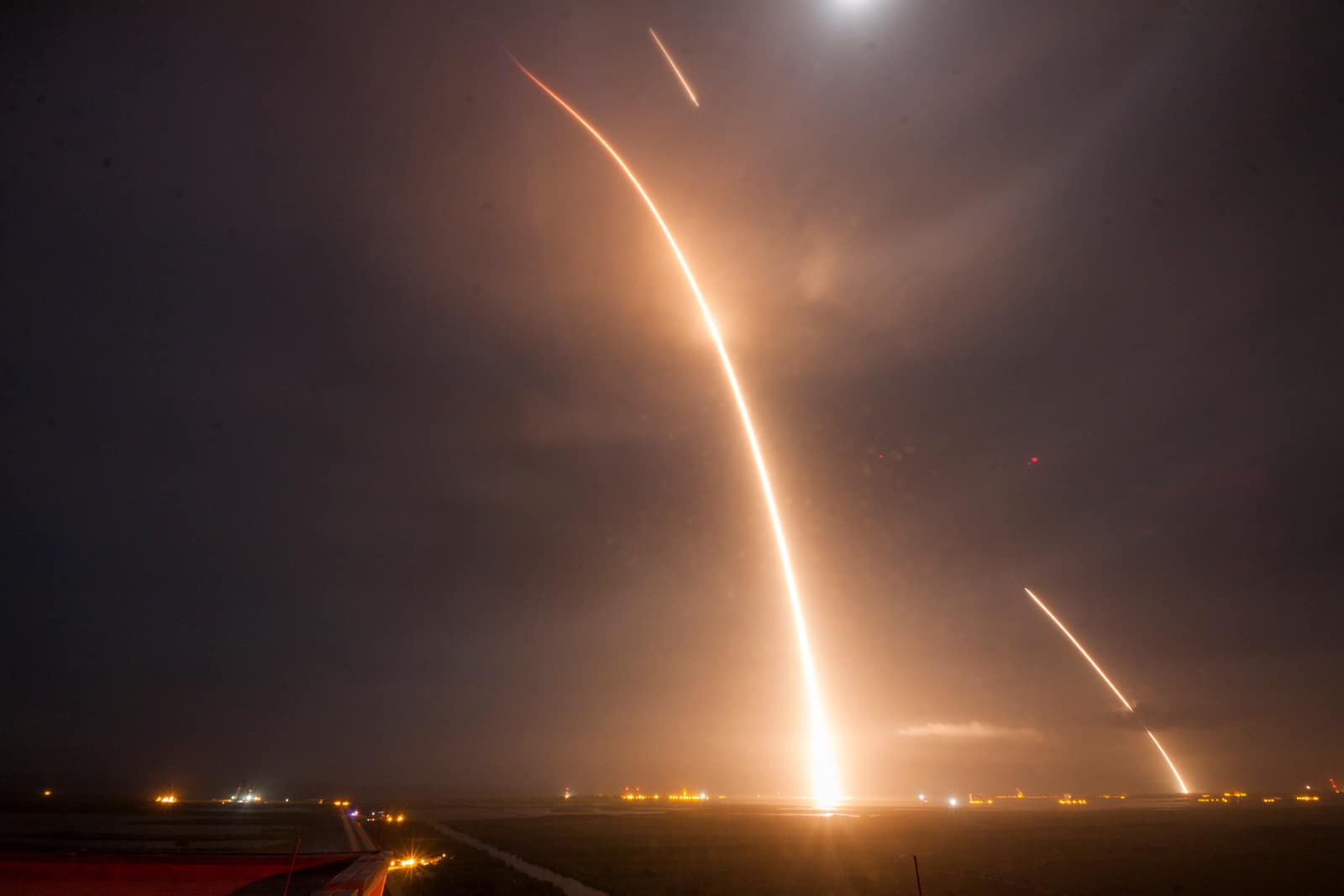
On the evening of 21 December 2015, at Cape Canaveral, a rocket rose into the dark with eleven small satellites. Two and a half minutes later its lower half let go. Instead of falling, it turned. It fired its engines against its own speed, came down through the upper air, and, over the flat ground by the coast, fired once more.
The photograph kept here was left open while all this happened. The long orange curve is the climb. The short streak high in the sky and the one on the right, falling back towards the ground, are the stage coming home.
It landed standing up, a tower of scorched metal on a pad of concrete, a few kilometres from where it had left. A month before, another company had brought back a smaller rocket from a shorter flight into space. Within two years, a stage like this one would fly twice.
Established
- On 21 December 2015 at 8:29 p.m. local time, a Falcon 9 rocket lifted off from Space Launch Complex 40 at Cape Canaveral Air Force Station, Florida, and placed 11 ORBCOMM OG2 communications satellites in orbit (45th Space Wing).
- About two and a half minutes after liftoff, the first stage separated, relit its engines to turn back, braked on re-entry and again just before touchdown, and landed upright at Landing Zone 1, about 9 km from the pad; the US Air Force described it as the first successful return and vertical landing of the first stage of an orbital rocket (45th Space Wing; Spaceflight Now 2016; Planetary Society 2015).
- It was the first Falcon 9 flight since the loss of the CRS-7 mission on 28 June 2015, and the first of an upgraded version of the rocket (Planetary Society 2015).
- A month earlier, on 23 November 2015, Blue Origin's New Shepard booster had landed vertically in West Texas after sending its capsule to an altitude of 100.5 km; that flight was suborbital, straight up and down, whereas the Falcon 9 stage had just pushed an upper stage and its payload towards orbit (Blue Origin).
- On 30 March 2017 a first stage that had already flown the CRS-8 mission in April 2016 launched the SES-10 satellite, the first reflight of a used orbital-class booster (SES; Jones 2018).
- The booster of flight 20, B1019, never flew again; in August 2016 it was set upright on permanent display outside SpaceX's headquarters in Hawthorne, California (Spaceflight Now 2016).
Interpretation
Which landing came first depends on what is being compared: Blue Origin's booster reached space, but only on a suborbital hop; the Falcon 9 stage was the first to come back from a flight that put satellites in orbit, travelling much faster and turning around to do so. What reuse has done to cost is still argued. In 2018 a NASA engineer, Harry Jones, noted that reuse had long been expected to lower the price of launch but had not yet been shown to do so, and that landing propellant reduces the payload; SpaceX's president said in 2017 that refurbishing the SES-10 booster cost substantially less than half the price of a new one. The company's internal costs are not public, and falling launch prices also owe much to competition, design and production methods.
In 10,000 years
The archive cannot yet know whether this landing will be remembered as the moment rockets began to be used like aircraft, or as a clever step in a longer story; in 10,000 years, will anyone ask why the first ones were thrown away?
Sources (6)
- 45th Space Wing Public Affairs. 45th Space Wing successfully launches ORBCOMM; historically lands first stage booster, December 2015. · www.patrick.spaceforce.mil
- Jones, H. W. The Recent Large Reduction in Space Launch Cost. 48th International Conference on Environmental Systems, ICES-2018-81, Albuquerque, July 2018 (NASA Ames Research Center). · ttu-ir.tdl.org
- Davis, J. SpaceX Falcon 9 returns to flight, sticks landing at Cape Canaveral. The Planetary Society, 21 December 2015. · www.planetary.org
- Blue Origin. Blue Origin makes historic rocket landing, November 2015. · www.blueorigin.com
- SES. SES-10 launched successfully on SpaceX's flight-proven Falcon 9 rocket, 30 March 2017. · www.ses.com
- Clark, S. SpaceX puts historic flown rocket on permanent display. Spaceflight Now, 20 August 2016. · spaceflightnow.com
Related fragments
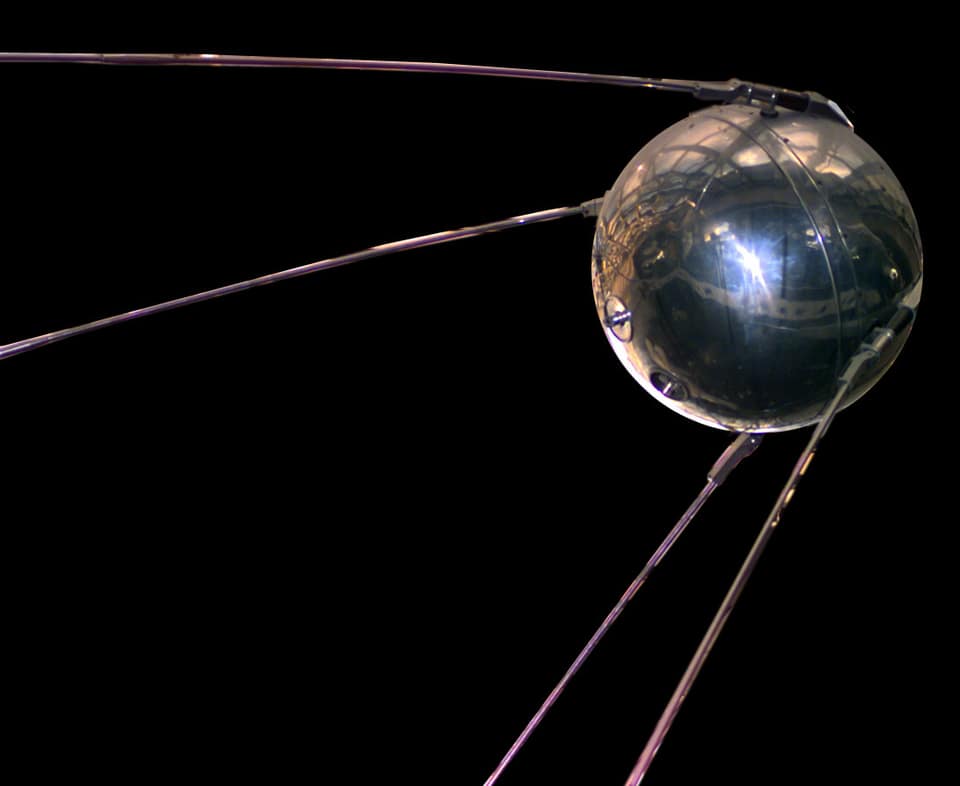
1957
Sputnik 1, the first artificial satellite
Baikonur Cosmodrome, Kazakhstan · Asia
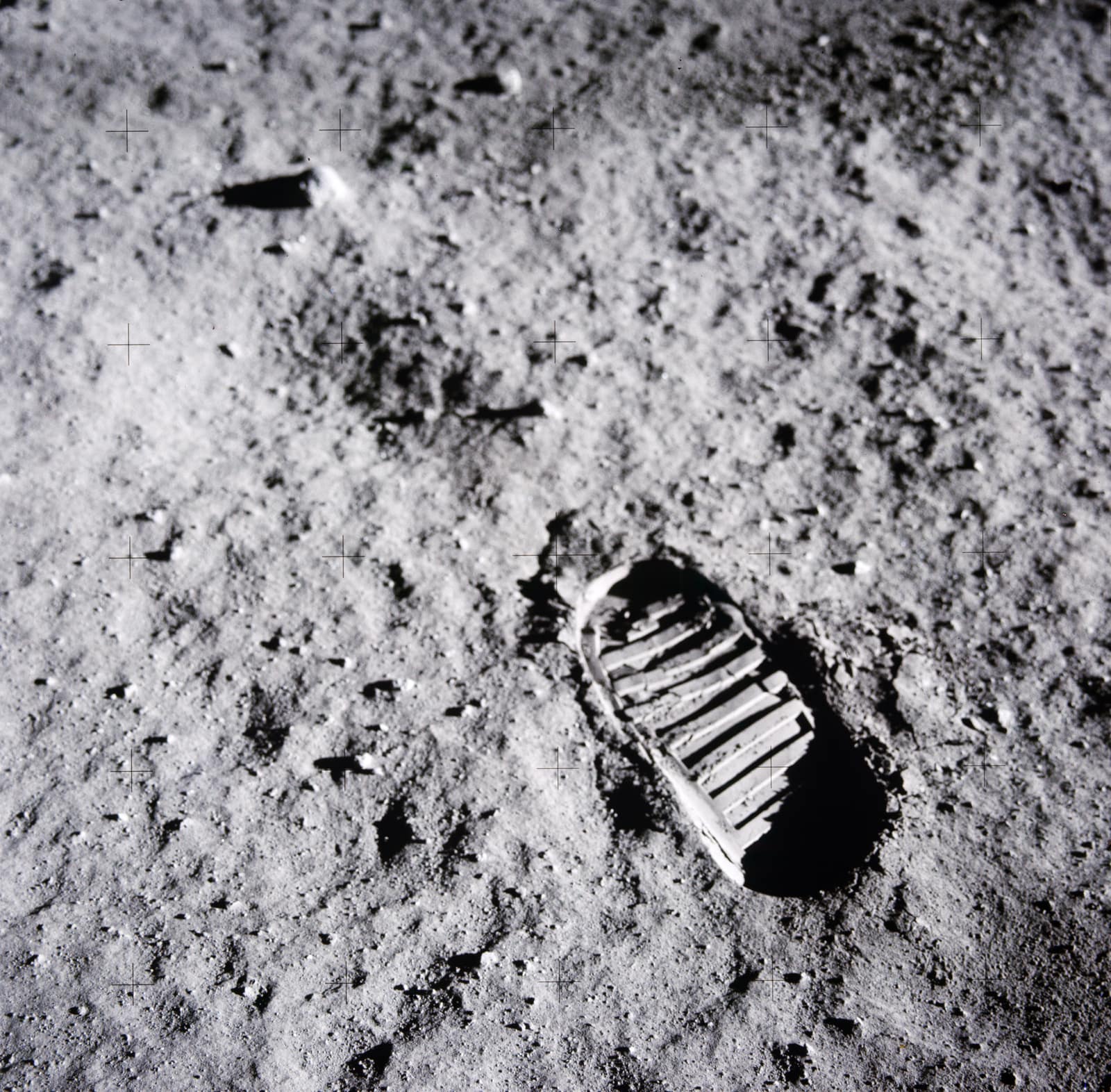
1969
The first footprints on the Moon
Tranquility Base, Sea of Tranquility, the Moon · Americas
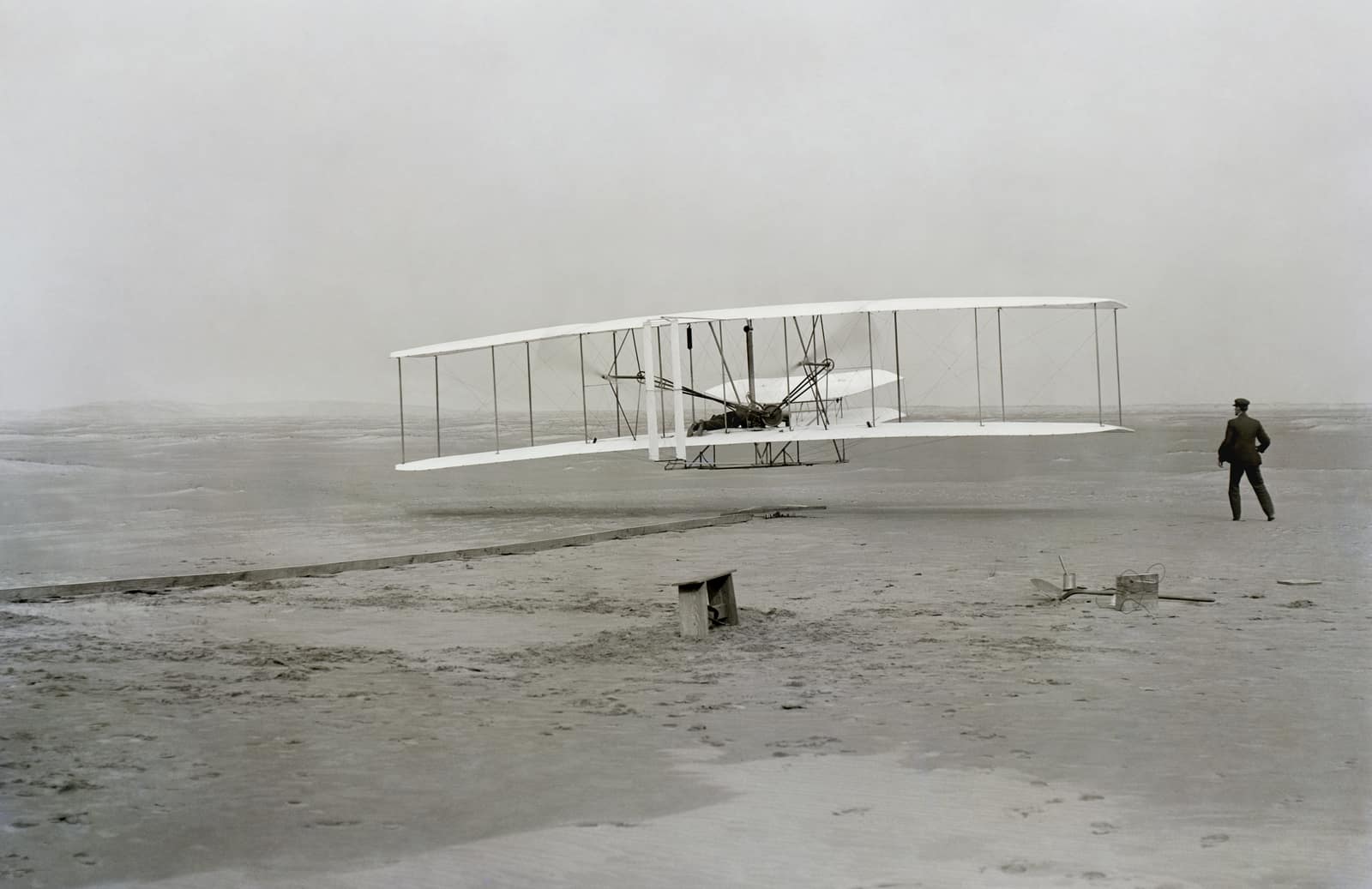
1903
The first powered flight: the Wright Flyer
Wright Brothers National Memorial, Kill Devil Hills, North Carolina, United States · Americas