The International Space Station, a wreck to come
Since 2 November 2000 the station has never been without a crew, so that for more than a quarter of a century there has not been a single day on which every human being was on the Earth.
- Dated
- Place
- Baikonur Cosmodrome, Kazakhstan · The space agencies of the United States (NASA), Russia (Roscosmos), Europe (ESA), Japan (JAXA) and Canada (CSA), under an agreement signed by fifteen governments in 1998
- Coordinates
- 45° 58′ N · 63° 18′ E (approximate)
- Remains
- Intact
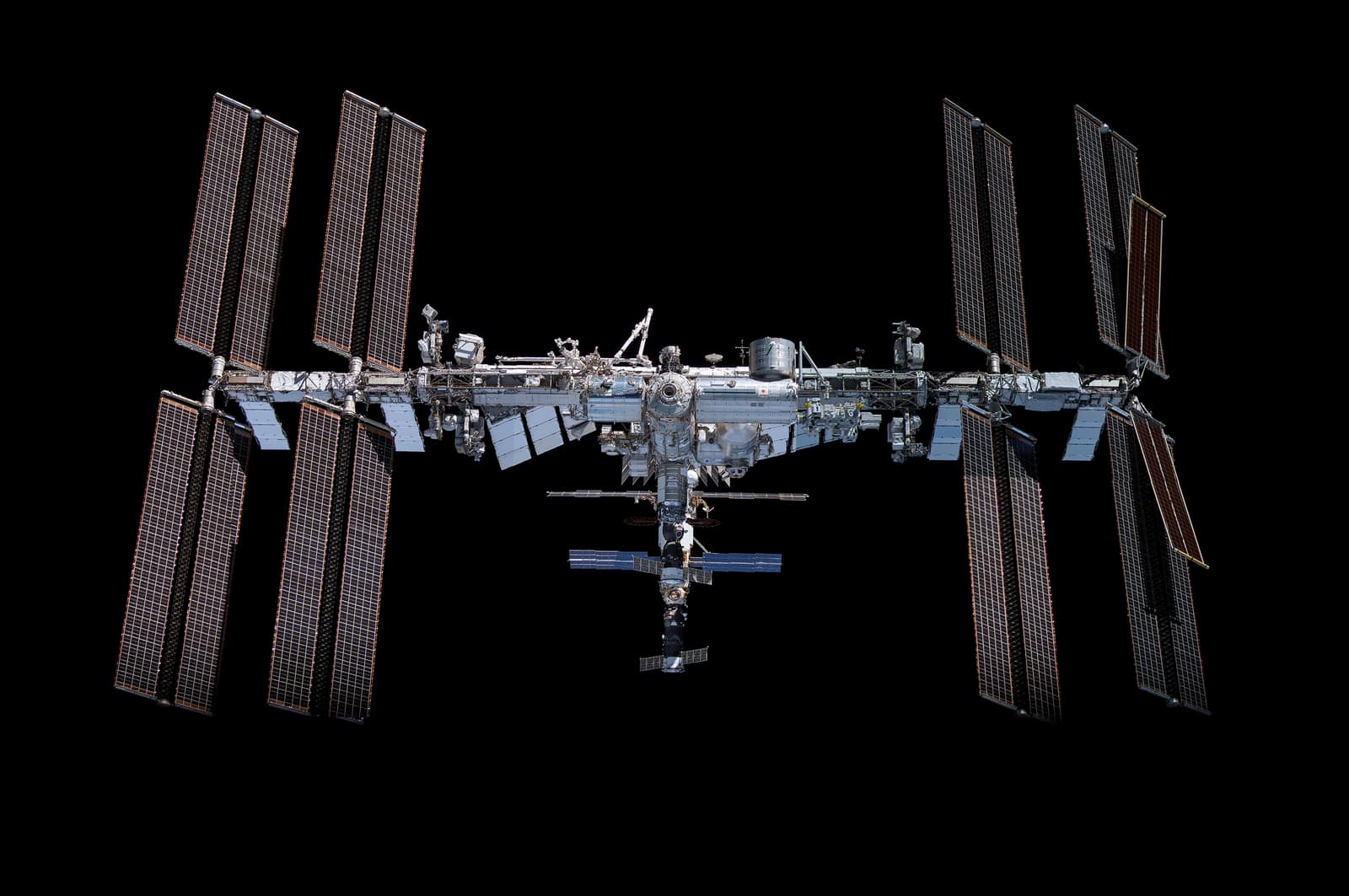

NASAPDMOriginal record
Data saver is on. Images load only when you ask. You can change this in Settings at any time.
From the archivist
In the last weeks of 1998 a single cylinder rose from the steppe of Kazakhstan on a Russian rocket. Its name, Zarya, means dawn. Others followed, American, Russian, European, Japanese, with a Canadian arm to join them together, until a structure almost as long as a football field hung above the clouds.
Since November 2000 there have always been people inside it. They slept strapped to walls, grew plants, repaired leaks, looked down at the planet sixteen times a day. For a whole generation, not every human being was on the Earth.
Now the archive records something else: a plan for its end. The station is to be lowered little by little, then pushed by a vehicle built for that sole purpose into the atmosphere, where most of it will burn, and the rest will fall into the most remote waters of the Pacific.
It was the largest thing this civilization ever built in the sky. It is scheduled to become a wreck.
Established
- On 29 January 1998, in Washington, fifteen governments (the United States, Russia, Japan, Canada and eleven member states of the European Space Agency) signed the Intergovernmental Agreement that frames the station (ESA).
- The first module, Zarya, was launched on a Proton rocket from the Baikonur Cosmodrome, in Kazakhstan, on 20 November 1998 (NASA).
- On 2 November 2000 the first resident crew, the American Bill Shepherd and the Russians Yuri Gidzenko and Sergei Krikalev, came aboard; the station has been occupied without a break ever since (NASA).
- Completed over the following years, it measures about 109 metres end to end, has a mass of about 420 tonnes and goes round the Earth about sixteen times a day (NASA, Facts and Figures).
- In June 2024 NASA awarded SpaceX a contract worth up to 843 million dollars to build the US Deorbit Vehicle, a Dragon spacecraft with a propulsion trunk, to push the station into the atmosphere at the end of its life (NASA; GAO 2026).
- In NASA's plan as reported in June 2026, the station is to be lowered from 2028, the deorbit vehicle launched in mid 2029 and the final burn made at the end of 2030 or early in 2031, so that the surviving debris falls into a remote area of ocean; NASA is to decide in 2027 whether to launch the vehicle or extend operations (GAO 2026). The 2022 plan named the South Pacific Oceanic Uninhabited Area, around Point Nemo, as the target (NASA 2022).
Interpretation
All of this is a plan, not an event: as of 2026 the station is still in orbit and crewed. In March 2026 a US Senate committee added to a draft NASA authorisation bill a measure to extend operations to 2032 and forbid deorbiting before a commercial replacement is working; it was not law at the time of writing. Russia had not confirmed the level of support it would give through the deorbit. NASA judged that boosting the station to a higher orbit or taking it apart would cost far more or carry more risk than a controlled fall, and that an uncontrolled re-entry of a structure this large would endanger people on the ground. Whether any of it should instead be kept, as a monument, is a question the plan does not ask.
In 10,000 years
In 10,000 years, will divers find, in the deepest and emptiest part of the ocean, the burnt beams of the first house this civilization built off its own world?
Sources (8)
- NASA. 20 Years Ago, Construction Began on the International Space Station (Zarya launched from the Baikonur Cosmodrome on 20 November 1998). · www.nasa.gov
- NASA. Expedition 1 Kicks Off Science Aboard International Space Station. · www.nasa.gov
- NASA. International Space Station Facts and Figures. · www.nasa.gov
- European Space Agency. International Space Station legal framework (Intergovernmental Agreement signed in Washington on 29 January 1998). · www.esa.int
- NASA. International Space Station Transition Report, pursuant to Section 303(c)(2) of the NASA Transition Authorization Act of 2017, January 2022. · www.nasa.gov
- NASA. FAQs: The International Space Station Transition Plan. · www.nasa.gov
- US Government Accountability Office. Low-Earth Orbit: NASA Faces Impending Decisions for Replacing International Space Station with Commercial Stations, GAO-26-107805, June 2026. · www.gao.gov
- Scientific American. NASA must delay deorbiting the ISS, U.S. lawmakers say, 6 March 2026. · www.scientificamerican.com
Related fragments
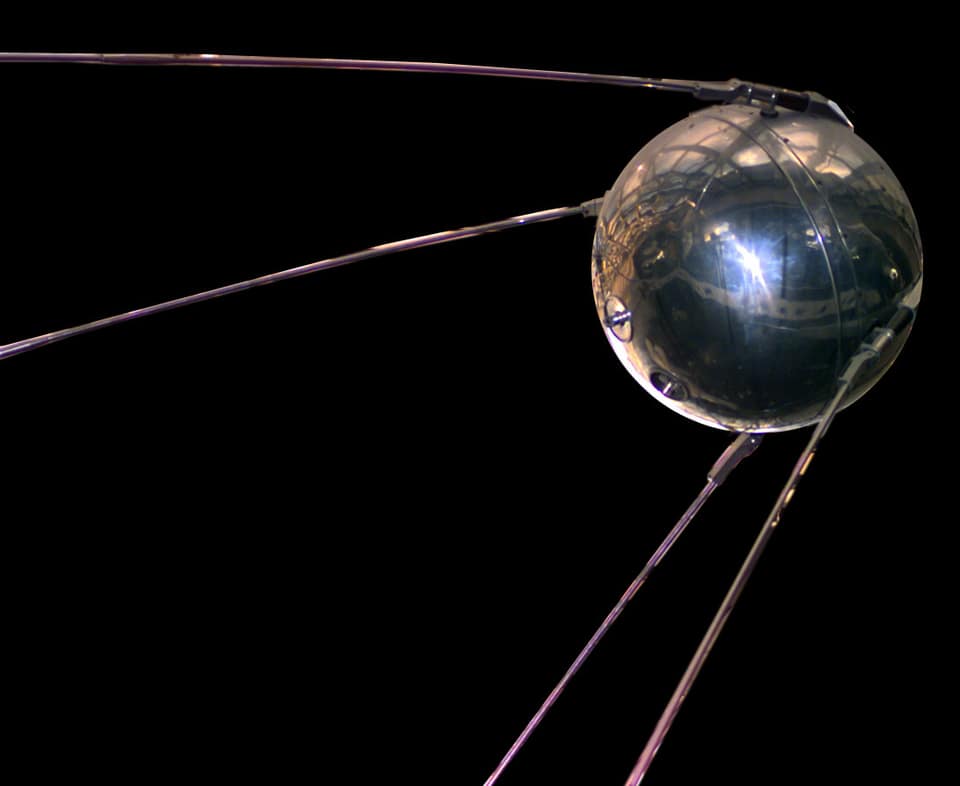
1957
Sputnik 1, the first artificial satellite
Baikonur Cosmodrome, Kazakhstan · Asia
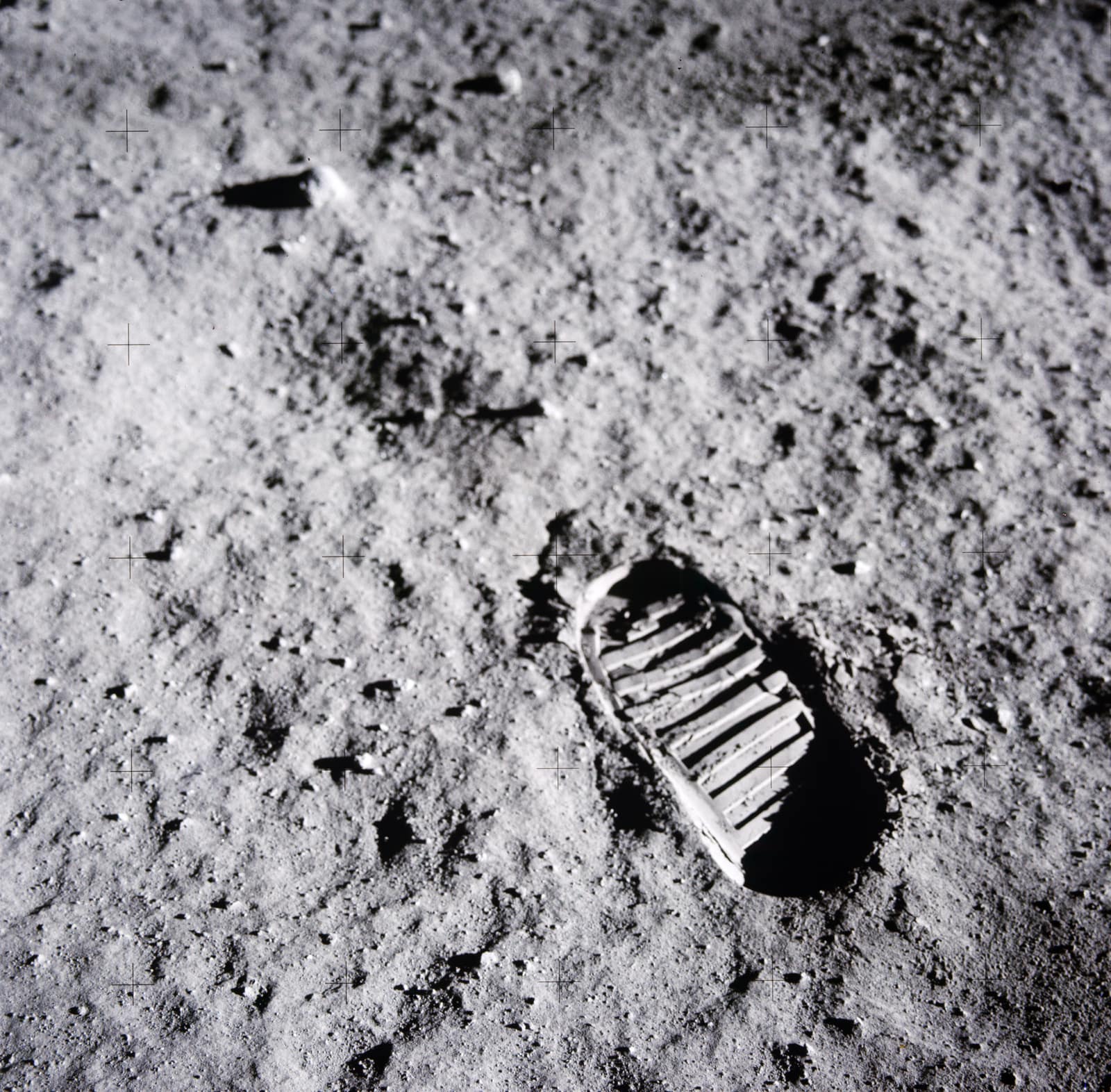
1969
The first footprints on the Moon
Tranquility Base, Sea of Tranquility, the Moon · Americas
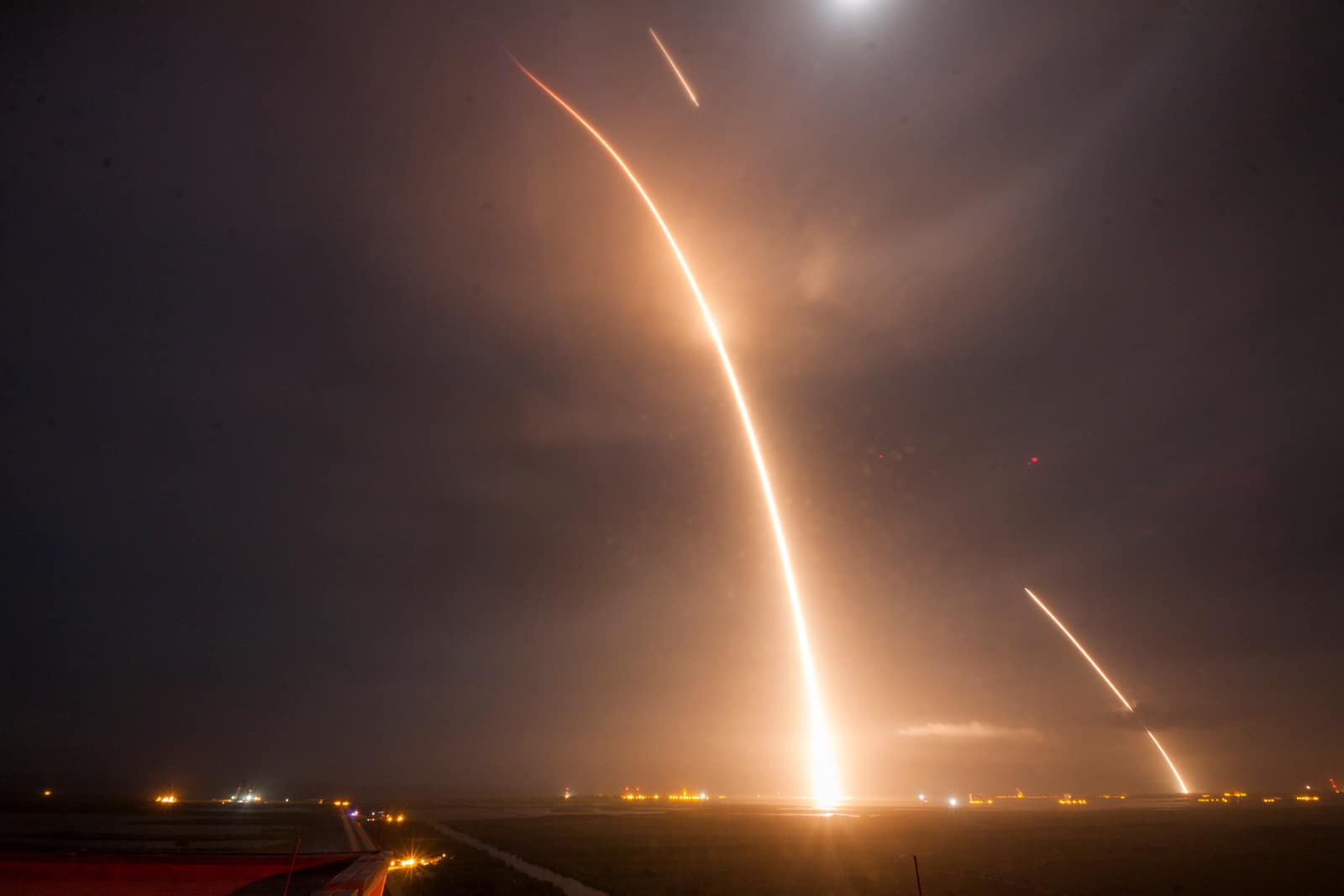
2015
The first orbital-class booster to come back: Falcon 9 flight 20
Cape Canaveral Space Force Station, Florida, United States · Americas
1977
The Golden Record
Voyager 1 · Voyager 2 · Americas
before 2014
Plastiglomerate from Kamilo Beach: a stone of our own making
Kamilo Beach, Hawai'i Island, Hawaii, United States · Oceania