Paper: a sheet of pounded rags and bark
Before paper, writing was carried on bamboo, wood, silk, papyrus, parchment or clay; as it spread from China across Asia, the Islamic world and Europe, a light and cheap sheet made from waste fibre came to carry most of the world's records, letters and books.
- Dated
- Place
- Luoyang, Henan, China · Papermakers of Han dynasty China, among them Cai Lun, director of the imperial workshops at Luoyang; later the papermakers of Central Asia, the Islamic world and Europe
- Coordinates
- 34° 37′ N · 112° 27′ E (approximate)
- Remains
- Fragmentary
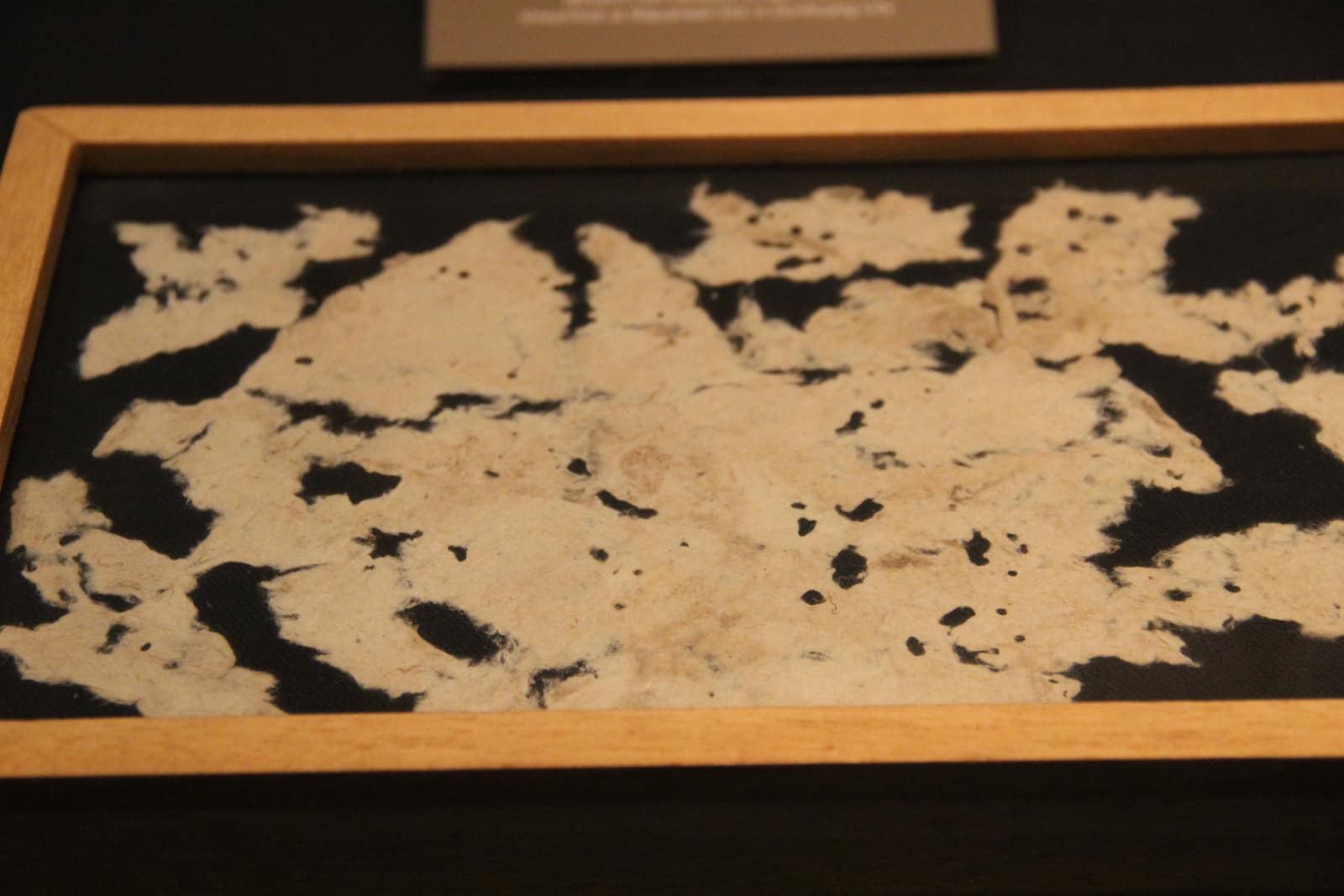
.jpg)
Gary Todd, CC0, via Wikimedia CommonsCC0-1.0Original record
Data saver is on. Images load only when you ask. You can change this in Settings at any time.
From the archivist
It was made from what was thrown away. Old rags, frayed rope, the worn nets of fishermen, the inner bark of trees: soaked, beaten to a pulp, spread thin on a screen, left to dry.
The court of the Han kept its records on strips of bamboo tied together with cord, heavy to carry, or on silk, too dear to waste. In the year 105 an official of the imperial workshops named Cai Lun presented the emperor with sheets made in the new way. The chroniclers gave him the credit. The earth has since given back older sheets, rough and fibrous, one with a map drawn on it, laid on the chest of someone buried two or three centuries before.
The fragment kept here is one of these early sheets, pale and pierced with holes, no longer carrying any words.
Over a thousand years the method travelled west, to Samarkand, to Baghdad, to Cairo, to Spain. Nearly everything this civilization wrote down, until its screens, it wrote on this.
Established
- The Book of the Later Han, compiled in the 5th century, says that writing had long been done on bound strips of bamboo or on silk, the one heavy and the other costly, and that Cai Lun, director of the imperial workshops, made paper from tree bark, hemp ends, old rags and fishing nets and presented it to the throne in the first year of the Yuanxing era, 105 CE; it came to be called the paper of Marquis Cai (Hou Hanshu, chapter 78).
- Archaeology has found older paper. In 1986 a fragment of paper about 5.6 by 2.6 cm, bearing a map drawn in black ink, was found on the chest of the person buried in tomb 5 at Fangmatan, near Tianshui in Gansu, a tomb dated to the early Western Han, in the 2nd century BCE (Hsu 1993).
- The Han relay station of Xuanquanzhi, near Dunhuang, excavated in 1990 to 1992, yielded paper fragments, some apparently made in the reign of Emperor Wu (140 to 86 BCE) (Robert C. Williams Museum of Papermaking).
- Paper was in use in Central Asia by the early 8th century; papermaking spread to Baghdad in the 8th century, reached Damascus, Egypt and Morocco by the 10th, and was established in Spain and Italy by about the 12th century (Robert C. Williams Museum of Papermaking; Bloom 2001).
Interpretation
Cai Lun is now usually seen as someone who improved and promoted papermaking rather than its inventor; whether some of the earliest Western Han fragments were made for writing or for wrapping, and how securely each is dated, is discussed by specialists. A long-repeated story holds that Chinese prisoners taken at the battle of Talas in 751 taught papermaking to Samarkand; Jonathan Bloom and others argue that paper was known in Central Asia too early for that to be the origin.
In 10,000 years
In 10,000 years, will anything written on paper still exist, or only what was cut in stone and fired in clay?
Sources (5)
- Fan Ye. Hou Hanshu (Book of the Later Han), 5th century, chapter 78, biography of Cai Lun (Chinese text on Wikisource). · zh.wikisource.org
- Tsien Tsuen-hsuin. Paper and Printing. In Needham, J. (ed.), Science and Civilisation in China, vol. 5, part 1. Cambridge, Cambridge University Press, 1985.
- Hsu Mei-ling. The Qin maps: a clue to later Chinese cartographic development. Imago Mundi 45, 1993, p. 90-100.
- Bloom, J. M. Paper Before Print: The History and Impact of Paper in the Islamic World. New Haven, Yale University Press, 2001 (reviewed in The Medieval Review 04.04.09). · scholarworks.iu.edu
- Robert C. Williams Museum of Papermaking, Georgia Institute of Technology. Early Papermaking. · paper.gatech.edu
Related fragments
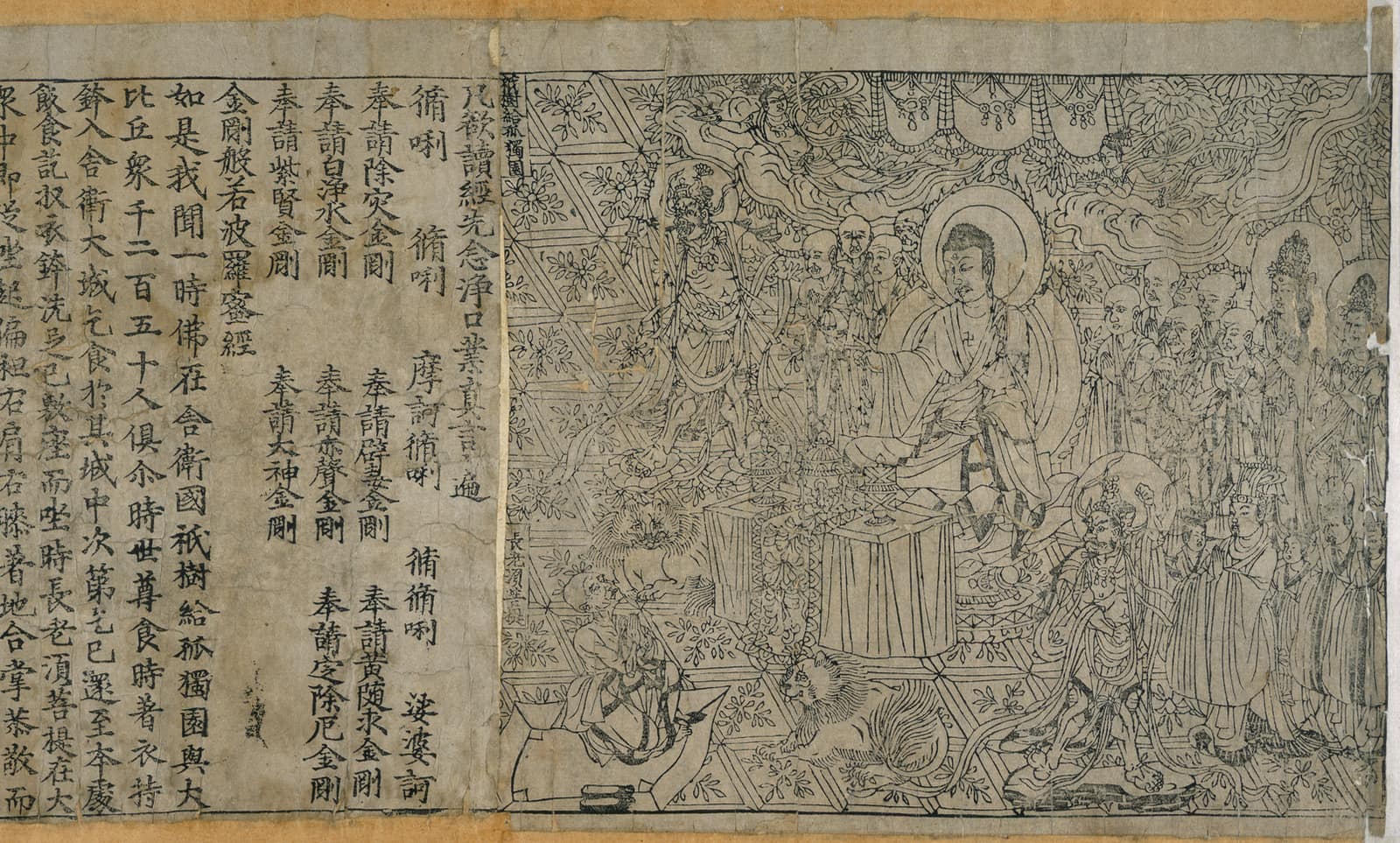
868 CE
The Diamond Sutra of 868
Mogao Caves, Dunhuang, Gansu, China · Asia
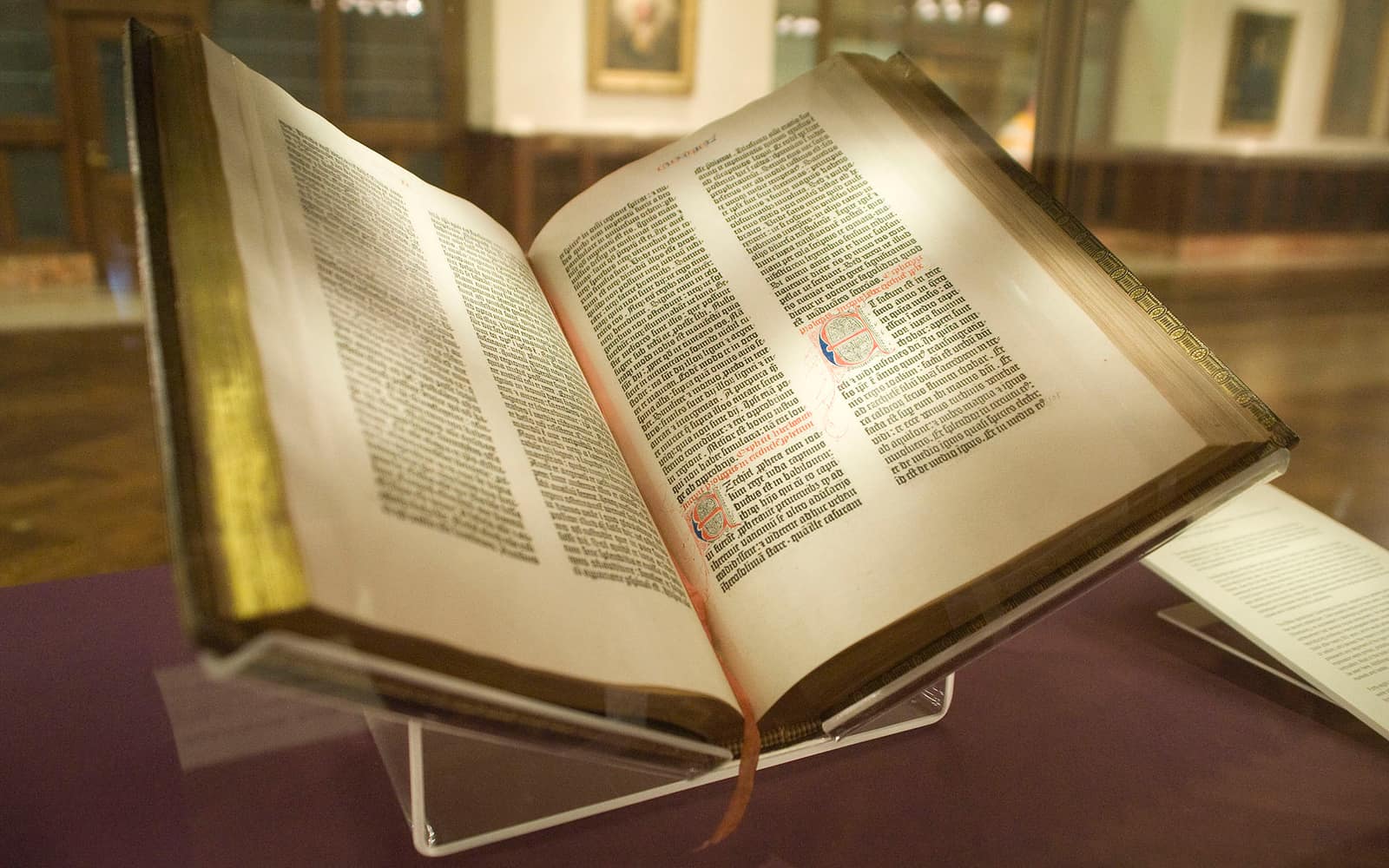
c. 1455 CE
The Gutenberg Bible
Mainz, Rhineland-Palatinate, Germany · Europe
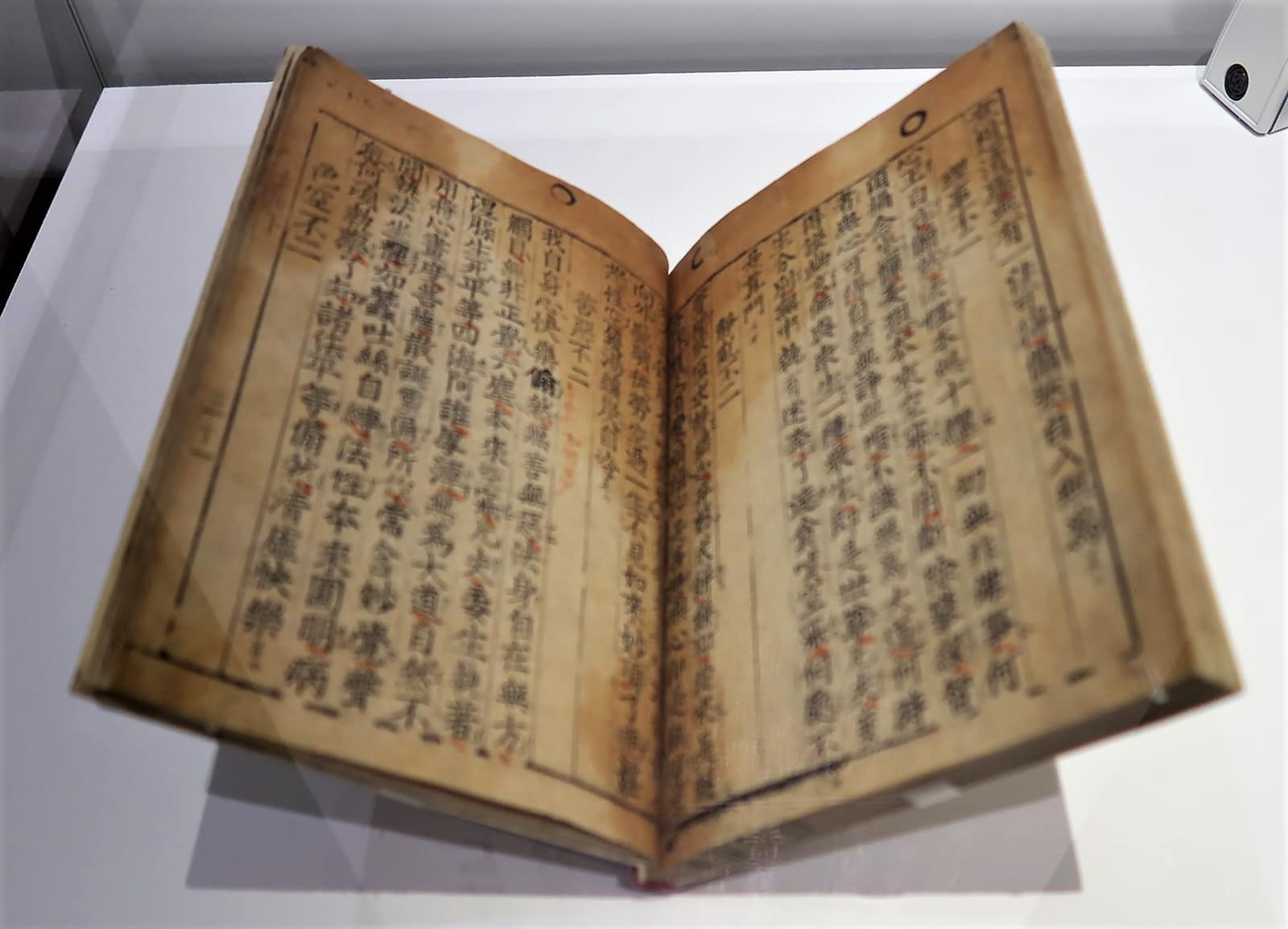
1377 CE
The Jikji
Cheongju, North Chungcheong, Republic of Korea; the book is in Paris · Asia
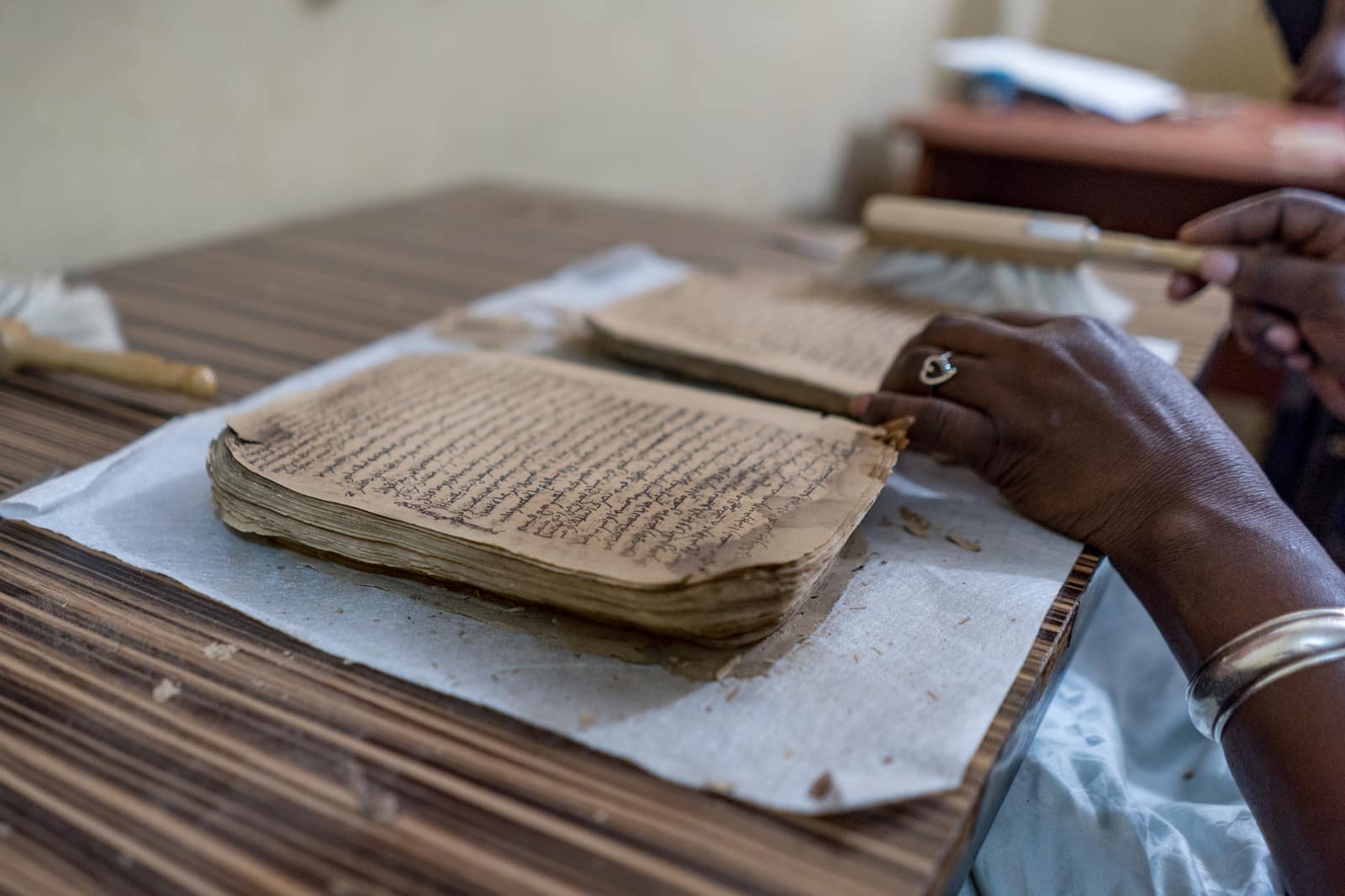
after 1200 CE
The Timbuktu manuscripts
Timbuktu, Mali · Africa
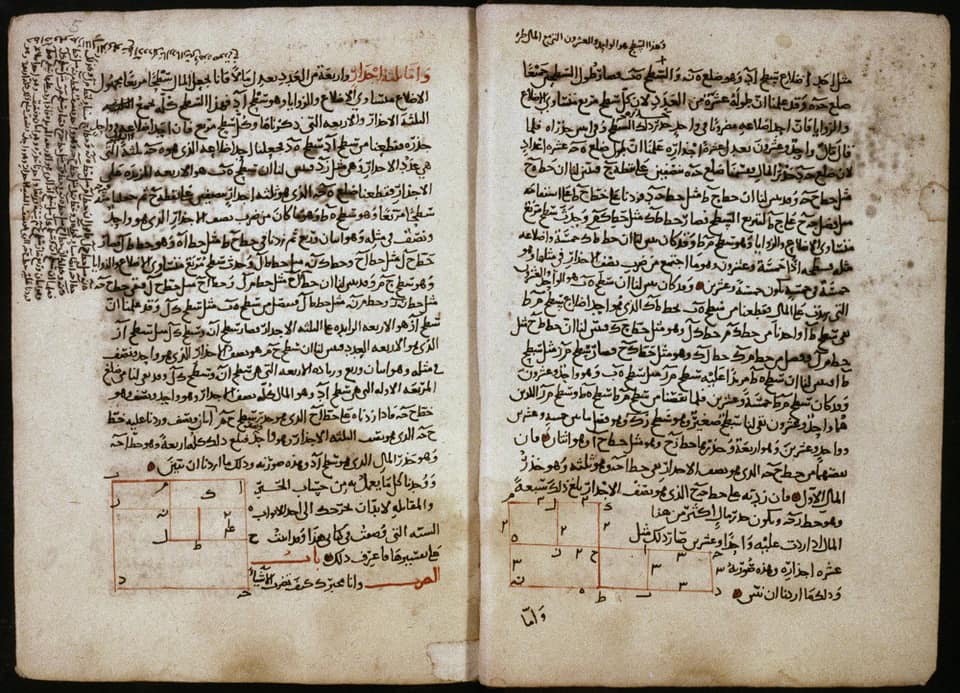
c. 820 CE
The book of al-jabr: al-Khwarizmi's algebra
Baghdad, Iraq · Asia
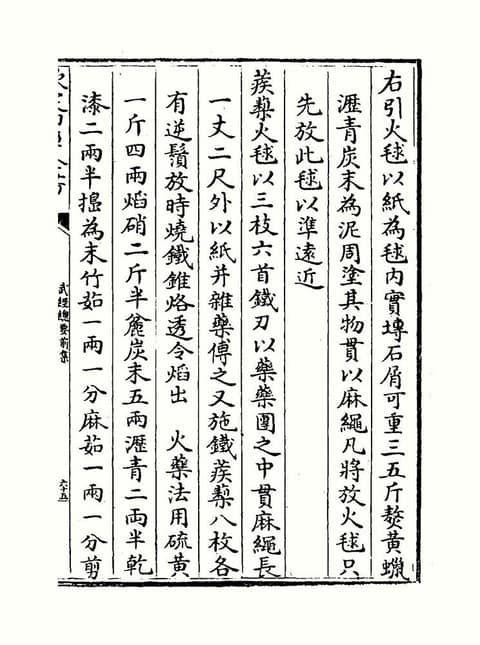
1044 CE
The fire drug: the first written formulas for gunpowder
Kaifeng, Henan, China · Asia